Blog
What Are the Top Cycling Accessories for 2026?
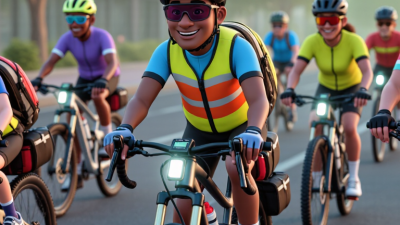
Cycling Accessories are becoming more important as riders seek safer, more comfortable, and better-connected rides. But the best choices depend on how, where, and how often you ride. A commuter threading through morning traffic needs dependable lights and a secure lock. A weekend rider may value a repair kit, a well-fitted helmet, and storage that stays quiet over rough roads.
The scale of participation helps explain why this category deserves careful attention. PeopleForBikes’ 2024 U.S. Bicycling Participation Report found that 112 million Americans rode a bicycle at least once in 2023. That broad audience includes occasional riders and daily commuters, whose needs are not interchangeable. The report measures participation, not accessory sales or product quality. That distinction matters. A popular item is not automatically the right one for every cyclist.
For 2026, this guide examines practical accessories across safety, navigation, comfort, maintenance, and carrying capacity. It will consider visible details, such as beam patterns and reflective surfaces, alongside less obvious ones, like glove fit and whether a pump works with your valves. Small details matter. We’ll also separate useful technology from features that add cost without solving a real problem. Product claims and specifications can change, so check current manufacturer information before buying. No accessory replaces sound judgment or proper bike maintenance. And some recommendations will remain personal; what feels indispensable on a wet city commute may gather dust on a sunny, short ride.
Read more »
 By:Evelyn
- November 4, 2026
10 Tips for Choosing the Best Bicycle Accessories
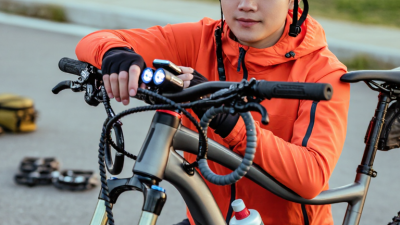
Choosing bicycle accessories seems simple until the options fill a shop wall. A bright light may look powerful, but its beam pattern, battery life, and mounting system matter on a dark commute. A comfortable saddle can still feel wrong after a long ride. Small details count.
Bicycle Accessories should fit the rider, the bicycle, and the roads ahead. These ten tips offer a practical way to compare useful gear without treating every popular product as essential. Start with safety, fit, and regular riding conditions. Then consider durability, ease of use, storage, and price. Not every rider needs the same setup. That matters.
The guidance also encourages careful checks before buying. Confirm that mounts fit your handlebars or frame, and look for clear product specifications. For helmets and other safety equipment, check sizing instructions and recognized safety certifications for your region. Lights, locks, pumps, and repair kits each serve a different purpose; a low price alone does not make one a good choice. A bargain can be useful, but poor fit often leads to unused gear. That is easy to overlook.
Needs change with experience, seasons, and routes. Review your current equipment before adding more, and consider whether each item solves a real problem. The goal is not to own everything. It is to choose dependable accessories that make riding safer, more comfortable, and easier to maintain. There may be no perfect setup, and that is worth remembering.
Read more »
By:Evelyn
- November 4, 2026
10 Tips for Choosing the Best Bike Accessories
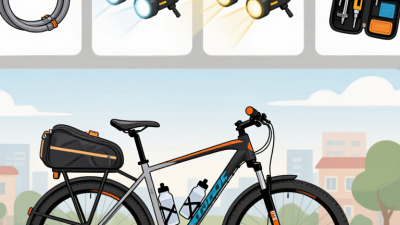
Choosing the right Bike Accessories can make everyday rides safer, more comfortable, and easier to manage. The best choices depend on your bicycle, typical routes, weather, and riding habits. A commuter crossing busy streets may value bright lights and a reliable lock, while a weekend rider may prioritize a compact repair kit and comfortable gloves. There is no single setup that suits everyone.
Start with fit and function, not flashy features. Check whether a rack matches your frame, whether a helmet fits securely, and whether a pump works with your tire valves. Read product specifications carefully, and compare them with your bicycle’s manual or the manufacturer’s guidance. Small compatibility checks can prevent wasted money and frustrating returns. No setup is perfect.
Think about how accessories perform in real conditions. A light should remain visible in daylight, a bag should stay stable over bumps, and a water bottle should be reachable without awkward movement. Look for durable materials, clear care instructions, and replacement parts when relevant. Expert reviews can help, but personal fit and local riding conditions still matter.
The ten tips ahead explain what to consider before buying, from essential safety gear to practical storage and maintenance tools. They also point out common trade-offs, such as weight, price, and ease of use. A costly item is not automatically the best one. Choose carefully, test new gear on a familiar route, and adjust your setup as your needs change.
Read more »
By:Evelyn
- November 4, 2026