TÜV Rheinland Onsite-Assessed Custom Manufacturer [email protected]
English Online Inquiry
0%

Choosing bicycle accessories seems simple until the options fill a shop wall. A bright light may look powerful, but its beam pattern, battery life, and mounting system matter on a dark commute. A comfortable saddle can still feel wrong after a long ride. Small details count.

Bicycle Accessories should fit the rider, the bicycle, and the roads ahead. These ten tips offer a practical way to compare useful gear without treating every popular product as essential. Start with safety, fit, and regular riding conditions. Then consider durability, ease of use, storage, and price. Not every rider needs the same setup. That matters.

The guidance also encourages careful checks before buying. Confirm that mounts fit your handlebars or frame, and look for clear product specifications. For helmets and other safety equipment, check sizing instructions and recognized safety certifications for your region. Lights, locks, pumps, and repair kits each serve a different purpose; a low price alone does not make one a good choice. A bargain can be useful, but poor fit often leads to unused gear. That is easy to overlook.

Needs change with experience, seasons, and routes. Review your current equipment before adding more, and consider whether each item solves a real problem. The goal is not to own everything. It is to choose dependable accessories that make riding safer, more comfortable, and easier to maintain. There may be no perfect setup, and that is worth remembering.
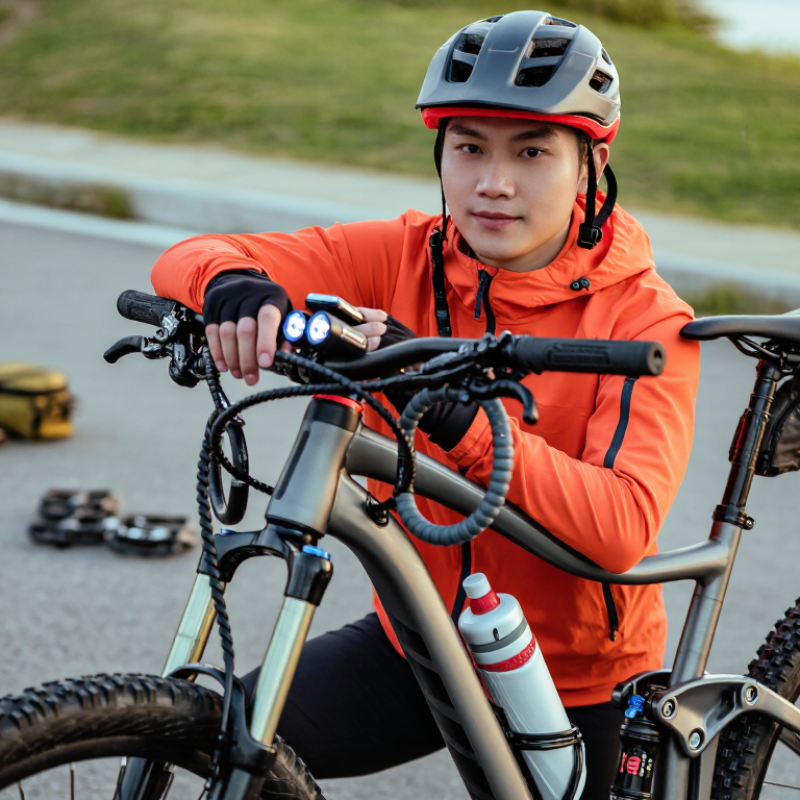
10 Tips for Choosing the Best Bicycle Accessories

Define Your Riding Needs and Typical Conditions

Before buying accessories, define where and how you ride. A smooth commute on lit streets calls for different gear than a gravel loop with loose stones and sudden rain. Note your usual distance, road surface, traffic, weather, and available storage. Small details matter: a narrow handlebar, a damp phone pocket, or a dark path can change what is useful. NHTSA reported 1,105 bicyclist deaths in traffic crashes in 2022. That figure does not mean every ride is dangerous, but it supports taking visibility and route conditions seriously.

Tip: Write down your three most common rides. For each, list one likely problem, such as poor lighting, wet roads, or limited carrying space. Choose accessories that address those real needs before adding convenience items.

Match equipment to the conditions you actually face. Regular night riding may justify front and rear lights; frequent rain makes reliable water protection more valuable than extra storage. For rough paths, consider puncture protection and a repair kit you know how to use. Check fit and mounting stability before a long ride, especially when carrying tools or a lock. I still sometimes pack more than I need. Reviewing what stays unused can make the next setup lighter and more practical. Use the NHTSA report as a reminder to assess exposure, not as a substitute for judging your own routes.

Check Bicycle Compatibility and Safety Standards

Before buying an accessory, check the bicycle’s exact model, wheel size, and mounting points. A rack that fits one frame may rub against another. Measure available space around the tire, brakes, and cables. Small details matter. For lights or electronic accessories, confirm the required voltage and connection type. Do not assume that a similar-looking plug will fit safely.

Tips: Read the bicycle and accessory manuals, then compare their stated sizes and load limits. Check that bolts, clamps, and mounts suit your frame material. For helmets and other protective equipment, look for safety markings applicable where you live, and inspect them for damage before use. Measure twice.

Compatibility is not only about whether a part attaches. A loose handlebar mount can shift over bumps, while an overloaded rear rack can affect steering. If fit is unclear, ask a qualified bicycle mechanic to inspect the setup. I find it easy to overlook tiny clearance gaps; a few millimeters can matter when a wheel turns or suspension moves. Recheck fasteners after the first short ride, and stop if anything rattles, slips, or touches a moving part.

Prioritize Accessories for Visibility and Protection

Visibility deserves attention before decorative extras. A front light helps other road users notice you, while a rear light makes your position clearer from behind. Choose lights with settings suited to your usual routes, and check their charge before leaving. Small detail, big difference. Mount them where bags or jackets will not cover them. Reflective details on a vest, ankle bands, or panniers can catch headlights when a light is not aimed directly at you. Still, reflectivity is not a substitute for active lights, especially on dim streets. Test your setup from a few car lengths away, preferably at dusk. It may look brighter indoors than it really is.

Protection starts with a helmet that fits snugly and sits level, not tilted toward the back of your head. The straps should form a secure V below each ear, and the helmet should not slide when you move your head. Check its condition regularly, and follow the maker’s guidance after an impact or as it ages. Clear glasses can help keep dust and insects out of your eyes; gloves may improve grip and soften the sting of rough pavement. There is a trade-off: too many layers or bulky accessories can make riding uncomfortable. I would rather notice that during a short test ride than halfway through a long one.

10 Tips for Choosing the Best Bicycle Accessories: Prioritize Visibility and Protection

For bicycles covered by U.S. CPSC regulations, reflectors are specified for the front, rear, pedals, and wheels. This chart counts the reflector locations in each category; requirements can differ by country. Choose a properly fitted helmet and working lights as additional visibility and protection essentials.

Source: U.S. Consumer Product Safety Commission, 16 CFR § 1512.16 (reflectors).

Compare Comfort, Durability, and Practical Features

Choosing bicycle accessories is a balance between comfort, durability, and usefulness on your actual routes. A saddle that feels soft in a shop may rub after an hour, so check its shape and width, then test it on a real ride. Gloves should fit without bunching at the palm. Small details matter. For bags and racks, look for secure straps, reinforced seams, and fittings that stay steady over rough pavement. Extra features can be tempting, but weight and awkward setup can make everyday rides less pleasant.

The 2024 PeopleForBikes U.S. Bicycling Participation Report estimates that 112 million Americans rode a bicycle in 2023. That variety of riders and trips makes “best” a personal choice: a short city commute calls for different storage than a long weekend ride. For helmets, fit is practical, not cosmetic; NHTSA says bicycle helmets can reduce head-injury risk by 50 percent. Check that the helmet sits level and its straps stay snug when you move your head. It is easy to overvalue a long feature list. I still think simplicity deserves more credit: a durable light with an easy-to-use mount may serve you better than a complicated model you rarely charge.

Balance Cost, Maintenance, and Long-Term Value

When comparing bicycle accessories, look beyond the checkout price. A low-cost rear light may use a common, replaceable battery. A rechargeable model can cost more but reduce repeat purchases. Check how easily parts can be cleaned, tightened, or replaced before buying. Mudguard bolts that need a special tool can turn a small adjustment into a shop visit. Small details matter.

Estimate the cost over several seasons, not just one ride. A rack used for weekly grocery trips may justify a sturdier frame and corrosion-resistant hardware; a rarely used phone mount may not. Ask how often an item needs charging, lubrication, washing, or replacement, and whether those tasks fit your routine. A neglected “premium” accessory can become wasted money. I once chose a cheap pump that worked fine until its gauge became unreliable, forcing me to check pressure elsewhere. That choice was not disastrous, just inconvenient. Keep receipts and note failures after wet rides; real use can reveal what product descriptions miss. A little regret helps refine the next purchase.

10 Tips for Choosing the Best Bicycle Accessories - Balance Cost, Maintenance, and Long-Term Value

Accessory Typical Cost (USD) Expected Service Life Maintenance Long-Term Value Tip
Helmet $40–$150 Replace after a significant impact; otherwise follow the manufacturer’s replacement guidance. Check the shell, straps, buckle, and fit regularly. Keep it away from excessive heat and harsh chemicals. Prioritize a certified, well-fitting helmet over extra features. A proper fit is essential for protection.
Front and rear lights $20–$100 per set Often several years; rechargeable batteries may lose capacity over time. Charge or replace batteries, clean lenses, and check mounts before rides. Choose lights with a suitable beam and runtime for your routes, plus a charging system you will maintain.
U-lock or folding lock $30–$120 Several years, depending on use, weather exposure, and lock condition. Keep the mechanism clean and dry; check for stiffness, corrosion, or damage. Match security level and weight to where and how long you park. A lock that is practical to carry is more likely to be used.
Floor pump with pressure gauge $25–$80 Often many years with occasional replacement of small wear parts. Keep the hose and head clean, store it indoors, and replace worn seals if inflation becomes difficult. A reliable gauge helps maintain appropriate tire pressure and can reduce avoidable tire and rim problems.
Spare inner tube and tire levers $8–$25 per tube; $5–$15 per lever set Unused tubes can last for years when stored correctly; levers can last indefinitely if not damaged. Store tubes away from heat and sunlight. Check that the tube size and valve type fit your bicycle. Carry a compatible spare and learn how to use it; this low-cost kit can prevent a minor puncture from ending a ride.
Mini pump or compact inflator $15–$60 Several years, depending on frequency of use and seal wear. Check the hose, connection, and seals periodically; test it before relying on it during a ride. Choose a model compatible with your tire valve and easy to carry. Test its operation with your actual tire setup.
Rear rack $30–$120 Often many years if correctly installed and not overloaded. Check mounting bolts for tightness and inspect the rack for cracks, corrosion, or loose fittings. Confirm frame compatibility and rated load before buying. A suitable rack can replace repeated use of a backpack for commuting.
Fenders $20–$70 per set Several years, depending on material, fit, and riding conditions. Clear away trapped debris and check that stays and fasteners remain secure and do not rub the tires. Choose a fit that provides useful coverage without interfering with wheels or brakes; fewer wet-weather clothing replacements may offset the cost.
Multi-tool $15–$50 Many years with basic care. Wipe it dry after wet rides and check that the tools fold smoothly and are not rounded or corroded. Pick tools that match the fasteners on your bicycle. Paying for unused features adds little practical value.
Water bottle and cage $10–$40 combined Many years for a cage; replace the bottle if it becomes cracked, damaged, or difficult to clean. Wash the bottle regularly, let it dry fully, and check that the cage bolts stay tight. Verify frame clearance and bottle size before buying. A simple, easy-to-clean setup is usually better value than specialized features you will not use.

Cost and service-life figures are broad estimates in USD. Actual prices and durability vary with materials, usage, storage, maintenance, and local market conditions.

FAQS

How should I choose bicycle accessories for my usual rides?

Write down your three most common rides. Note distance, road surface, traffic, weather, and storage. A dark commute may need lights; a wet gravel route may need water protection and repair tools.

What should I check before buying an accessory?

Confirm your bicycle’s model, wheel size, mounting points, and available space. Check clearance around tires, brakes, and cables. Measure twice.

How can I tell if a rack or mount fits safely?

Compare its stated fit and load limits with your bicycle. Check bolts and clamps, then test for rubbing or movement. A few millimeters can matter.

Which accessories help other road users see me?

Use front and rear lights suited to your routes. Mount them where bags or clothing cannot cover them, and check their charge before leaving. Small detail, big difference.

Are reflective details enough for riding at night?

No. Reflective bands or panniers can catch headlights, but they do not replace active lights. Test your setup outdoors at dusk; indoor brightness can be misleading.

How should a helmet fit?

It should sit level and snug, without sliding when you move your head. Straps should form a secure V below each ear. Recheck the fit regularly.

What other protective items might be useful?

Clear glasses can keep dust and insects out of your eyes. Gloves may improve grip on rough pavement. Try them on a short ride first.

How can I avoid carrying too much?

Pack for the problems you actually face, such as poor lighting, wet roads, or limited storage. I sometimes bring unused gear; reviewing it helps lighten the next ride.

Conclusion

Choosing the right Bicycle Accessories starts with understanding how and where you ride. Consider your usual routes, weather, trip length, and whether you ride for commuting, exercise, or recreation. Then check that each item fits your bicycle and can be installed securely, paying attention to relevant safety standards and the manufacturer’s guidance.

Give priority to visibility and protection, especially when riding in low light or changing conditions. Compare comfort, durability, ease of use, storage, and other practical features before making a choice. Finally, look beyond the initial price: consider maintenance needs, expected lifespan, and how often an accessory will be useful. A thoughtful balance of safety, comfort, compatibility, and long-term value can help you choose accessories that make every ride more convenient and enjoyable.

Evelyn

Evelyn

Evelyn is a professional marketing specialist with a strong understanding of the company’s products, their practical applications, and the needs they are designed to address. She regularly contributes expert articles to the company website, offering clear, useful information that helps readers......