1. Transition to 25g Cartridge Compatibility for High-Volume Gravel and E-MTB Tires
Historically, European and American importers focused heavily on 16-gram threaded CO2 cartridges, which were engineered specifically for 700x23c-28c road bike tires. However, the surge in 29x2.4" MTB rubber and high-volume 700x45c gravel setups has created an inflation volume deficit. A standard 16g canister cannot bring a wide-profile tubeless tire to operating pressure.
Consequently, brand buyers and e-commerce leaders are specifying inflator heads with lengthened intake cowls and reinforced puncture needles that effortlessly handle 20g and 25g threaded cartridges without gas restriction or freezing blockages.
2. 2-in-1 Hybrid Inflators: Integrating Mini-Pump Stroke with CO2 Burst
Another major procurement trend is the demand for dual-action hybrid pumps. Cyclists frequently experience user anxiety regarding the single-shot nature of CO2 canisters. If a tire bead fails to seat properly on the first attempt, the cartridge is expended, leaving the cyclist stranded.
Hybrid tools integrate a lightweight CNC aluminum hand pump with an onboard CO2 puncture head. Cyclists can use hand power to shape the tube or inspect the bead line, and then discharge the CO2 cartridge for instant rim seating.
3. Cryogenic Safety Ergonomics & Regulatory Compliance
As consumer protection standards intensify across the European Union (CE/EN standards) and North America (CPSC), raw metal inflators lacking thermal shielding face increased product liability risks. When CO2 decompresses rapidly from 850 PSI to ambient atmospheric pressure, surface temperatures plummet below -20°C in less than three seconds, posing severe skin freeze-burn hazards.
High-end purchasing programs now mandate integrated insulated housings, non-conductive composite outer sleeves, or custom-molded high-density EVA foam insulation jackets as standard package inclusions.
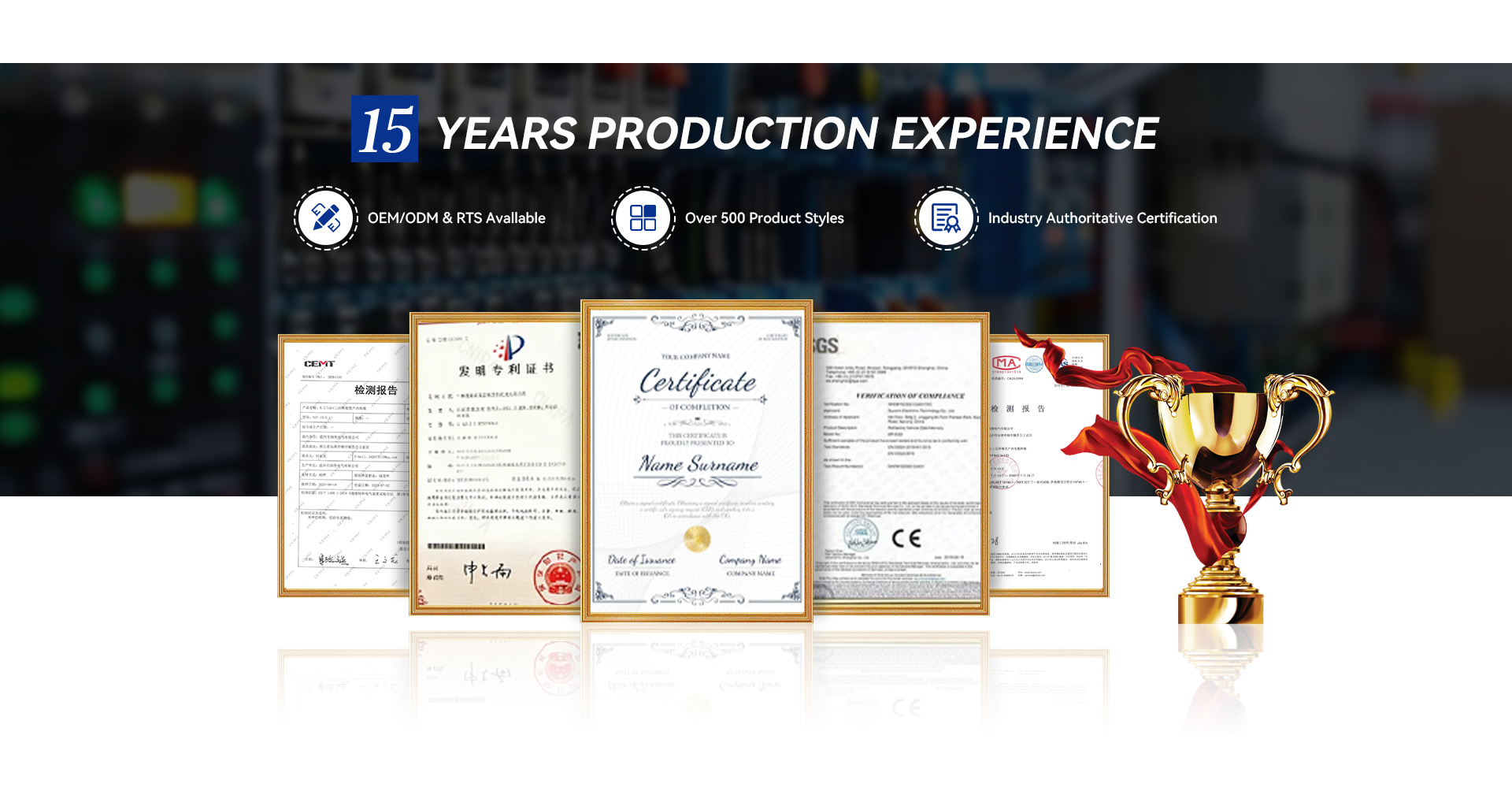
 TÜV Rheinland Assessed