Specialized Cycling Gear & Workshop Infrastructure
Tested for wet-weather resilience, mechanical durability, and strict OEM quality thresholds across commuter networks and rugged trail corridors.
Why Tier-1 Importers Partner with DOVU
Combining primary manufacturing operations in Wenzhou and Hebei with verified Guangdong electronics lines and central consolidated cross-docking in Yiwu.
In-House Fiber Laser Branding
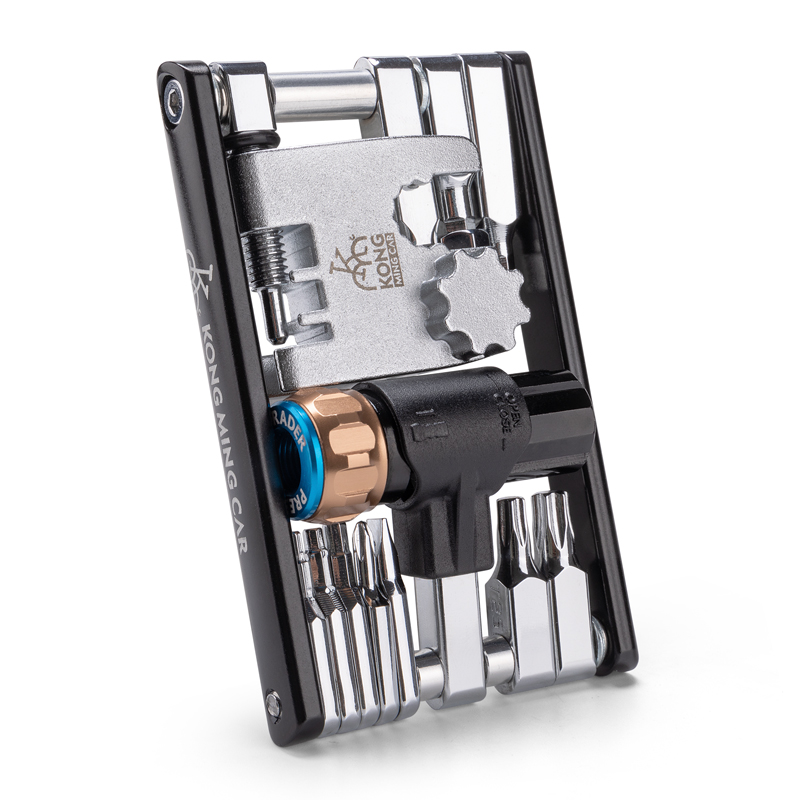
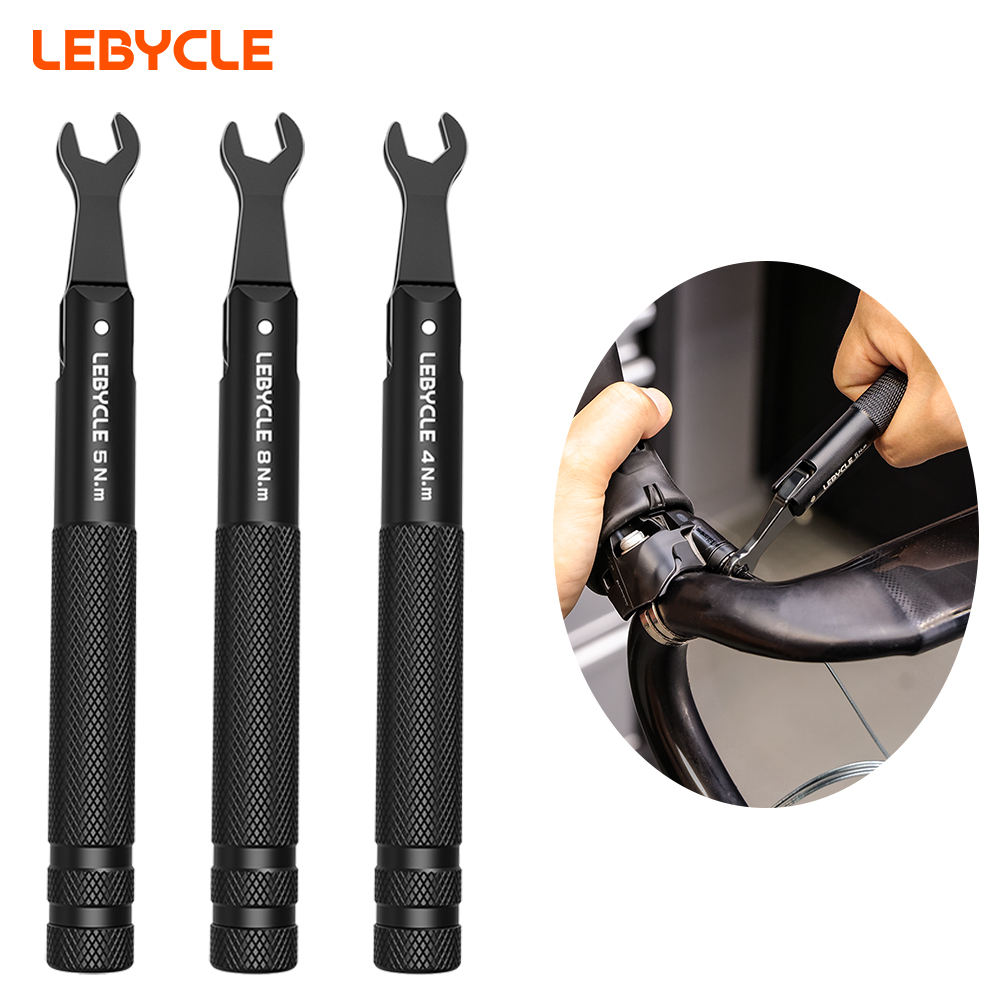
Skip superficial pad-printing that strips away in rainy conditions. Our automated in-house fiber laser marking units deliver crisp, permanent, wear-resistant OEM signatures on CNC-anodized rear light housings, structural brackets, and alloy tool bodies.
Full-Spectrum Consolidation
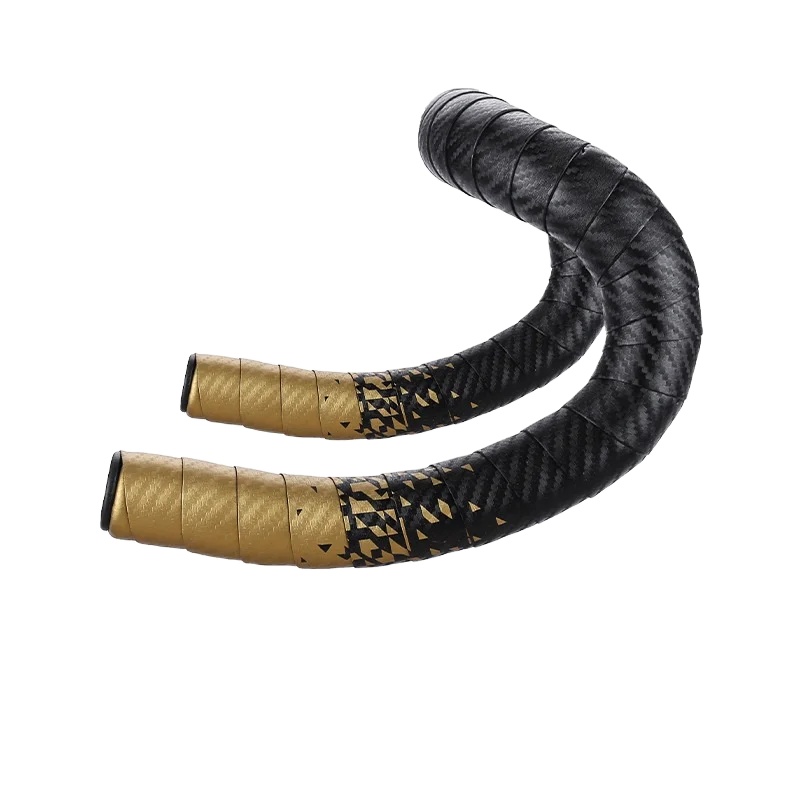
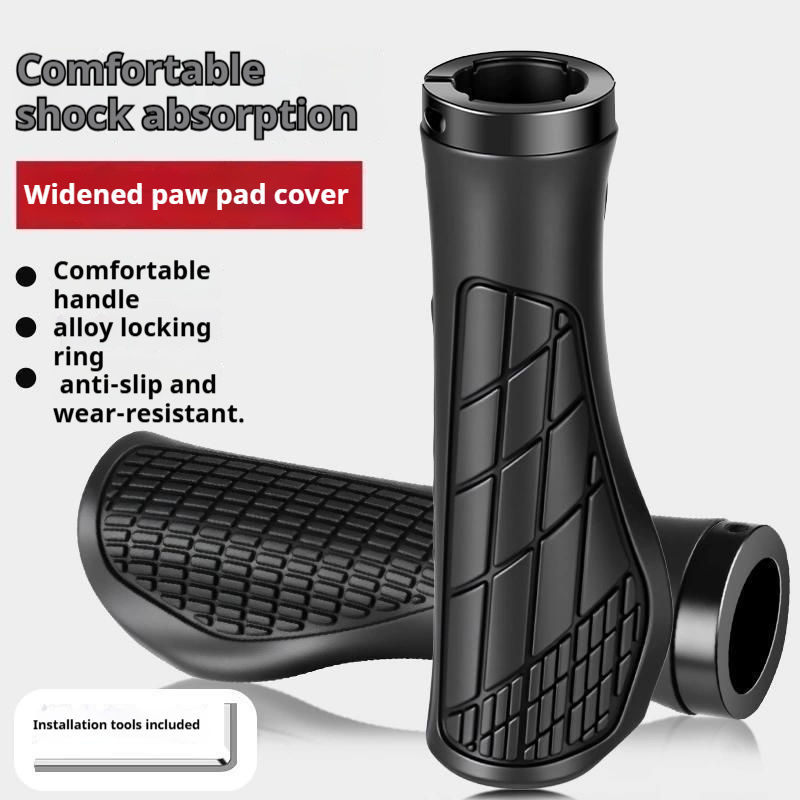
Avoid logistical fragmentation across fragmented regional suppliers. Our centralized 1,450 m² Yiwu logistical facility consolidates precision electronic safety lighting, mechanical hand tools, vulcanized puncture kits, and high-elastic handlebar tapes into balanced mixed-SKU freight containers.
End-to-End Trade Compliance
We engineer international logistics for zero-friction customs processing. DOVU provides documented FOB, CIF, EXW, and door-to-door DDP execution directly into the Pacific Northwest, backed by multi-point pre-shipment inspections and international test reports.
Engineering Bicycle Rear Lights for Portland’s Microclimate & Urban Morphology
Serving the cycling landscape of Portland, Oregon requires a rigorous understanding of unique environmental stressors. Known across North America as a premier cycling hub, Portland demands optoelectronic equipment capable of surviving the persistent Pacific Northwest oceanic drizzle, severe road-spray particulate suspensions along the Willamette River bridges, and dense multi-modal traffic grids where driver peripheral distraction is notoriously high.
Standard consumer rear bicycle blinkers often degrade rapidly in the Willamette Valley climate. Common failure modes observed in ordinary retail products include capillary moisture intrusion around silicone charging port bungs, internal lens condensation caused by rapid temperature drops during dusk transition, and micro-vibration fractures along seatpost clamp mounts traversing wet gravel or streetcar rail crossings.
DOVU’s manufacturing approach implements structural resilience directly targeting these operational environments:
IPX6 to IPX8 Ultrasonic Sealing
Rather than relying solely on pressure-fit rubber gaskets, our light housings utilize hermetic ultrasonic welding around the polycarbonate lens housing, paired with double-flanged internal silicone seals over the Type-C charging module to prevent pressurized tire spray ingress.
Fresnel Optical Collimation
Portland's dedicated Neighborhood Greenways and protected cycle tracks require wide-angle lateral visibility. Our light arrays feature high-efficiency Fresnel TIR (Total Internal Reflection) optics providing over 220 degrees of luminous dispersal, preventing blind-spot cutoff at complex arterial intersections.
Dynamic Thermal & Cell Regulation
Equipped with low-temperature optimized lithium-polymer cells coupled with intelligent step-down thermal regulation circuitry. This safeguards against unexpected voltage drops when riders commute in cold, damp conditions below 4°C (40°F), maintaining consistent lumen output.
Pacific Northwest Commercial & Regulatory Trends
The commercial market for bicycle safety equipment throughout Oregon and the greater Pacific Northwest is navigating three defining macroeconomic transitions:
1. Shift Toward E-Bike Direct Integration (6V-48V DC Systems): With electric commuter and utility cargo bikes experiencing unprecedented adoption across urban centers, the replacement market is transitioning away from standalone AAA or disposable button-cell lighting. Importers and local private labels are increasingly commissioning high-voltage compliant taillights capable of wiring directly into central Bosch, Shimano, or Bafang drive systems while maintaining StVZO-inspired glare-free optical compliance.
2. Intelligent Deceleration Sensor Standards: Urban commuters demand proactive safety features. Rear lights integrating integrated tri-axial accelerometers (IMU sensors) that immediately spike light output to a continuous, ultra-bright 100-lumen burst under kinetic braking have become the baseline standard for boutique bike shops and regional distributors.
3. Rigorous ESG and Packaging Mandates: Local consumers place a distinct premium on environmental accountability. Wholesalers throughout Oregon are phasing out single-use PVC blister clamshell packaging. DOVU directly supports these channel requirements by manufacturing OEM-branded, 100% recycled unbleached kraft paperboard packaging with plant-based soy ink imprints, ensuring turnkey compliance with retail market values.
| Performance Vector | Generic Market Taillights | DOVU Industrial OEM Specification |
|---|---|---|
| Ingress Protection Rating | IPX4 (Splash-resistant only) | IPX6 to IPX8 (High-pressure water jet & immersion sealed) |
| Luminous Dispersion Range | Narrow directional cone (<90°) | Wide Fresnel Matrix (220°+) for lateral cross-street visibility |
| Kinetic Brake Sensing | Uncalibrated / frequent false triggers | 3-Axis Digital Accelerometer with intelligent road vibration damping |
| Lithium Cell Subsystem | Standard Li-ion (De-rates below 5°C) | High-Cycle Li-Polymer with thermal compensation down to -10°C |
| Mounting Interface Durability | Brittle ABS plastic strap clamps | UV-Stabilized Silicone + 6061-T6 CNC Alloy saddle rail options |
Frequently Asked Questions for Regional Importers
Addressing core supplier evaluations, minimums, compliance benchmarks, and door-to-door logistical realities.
What is the typical Minimum Order Quantity (MOQ) for custom OEM rear lights?
For custom laser logo branding on our mature production enclosures, our threshold starts at an accessible 100 to 200 units, making it ideal for regional retail brands and distributor trials. For full-scale custom silicone tooling, specialized circuit design, or bespoke injection tooling, our standard MOQ ranges from 500 to 1,000 units per production run.
How do you verify battery cell compliance for North American transport?
Every rechargeable lithium battery utilized across DOVU products is fully certified under UN38.3 shipping protocols, RoHS environmental restrictions, and FCC Part 15 / CE EMC compatibility. All ocean containers and air shipments include complete MSDS dossiers to guarantee cleared customs and secure warehouse handling.
Can we consolidate lighting orders with tools, repair stands, and tapes?
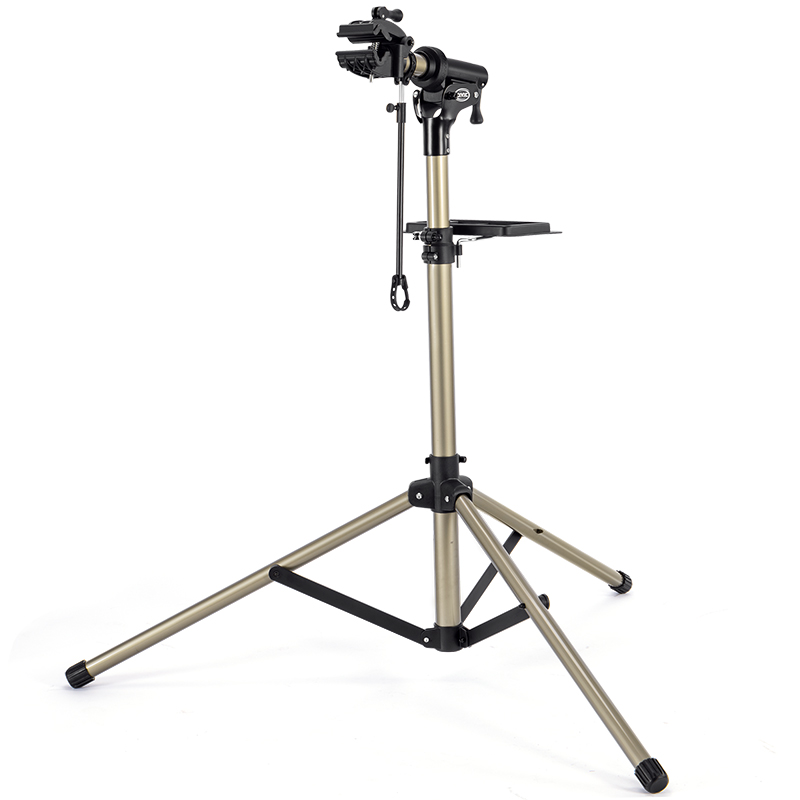
Yes. That is a core logistical benefit of working with DOVU. Importers can place integrated purchase orders encompassing rear lights, hydraulic maintenance tools, shop-grade 40kg repair stands, and composite handlebar tapes. All items are assembled, palletized, and loaded in our central Yiwu export facility to maximize container cube efficiency.
What is the standard production and shipping transit timeline to the PNW?
Standard OEM manufacturing lead time ranges from 25 to 35 calendar days following pre-production sample sign-off. Ocean freight transit to Pacific Northwest ports (including direct ocean services to Seattle, Tacoma, and Portland terminals) generally requires 16 to 22 ocean days, providing a predictable replenishment pipeline for distributor seasonal catalogs.
Scale Your Bicycle Accessory & Lighting Line with DOVU
Consult with our optoelectronic and mechanical engineering teams to structure your next production run, request physical testing samples, or configure custom retail-ready packaging.
Get a Quote