Bikepacking
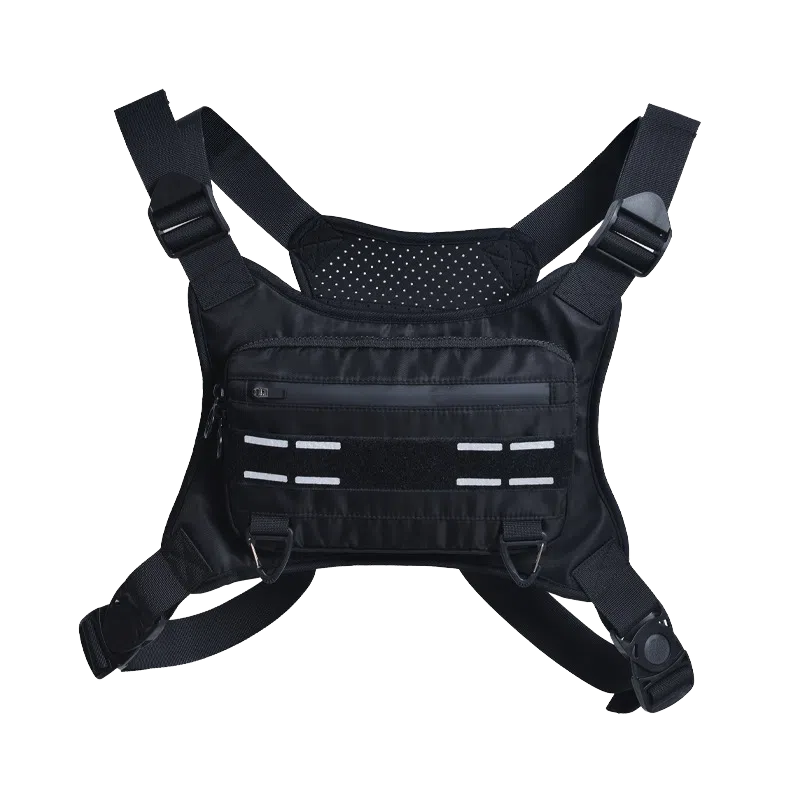
High-reliability bicycle accessories engineered for Central European cycling infrastructure, Alpine touring, and urban commuting fleets.
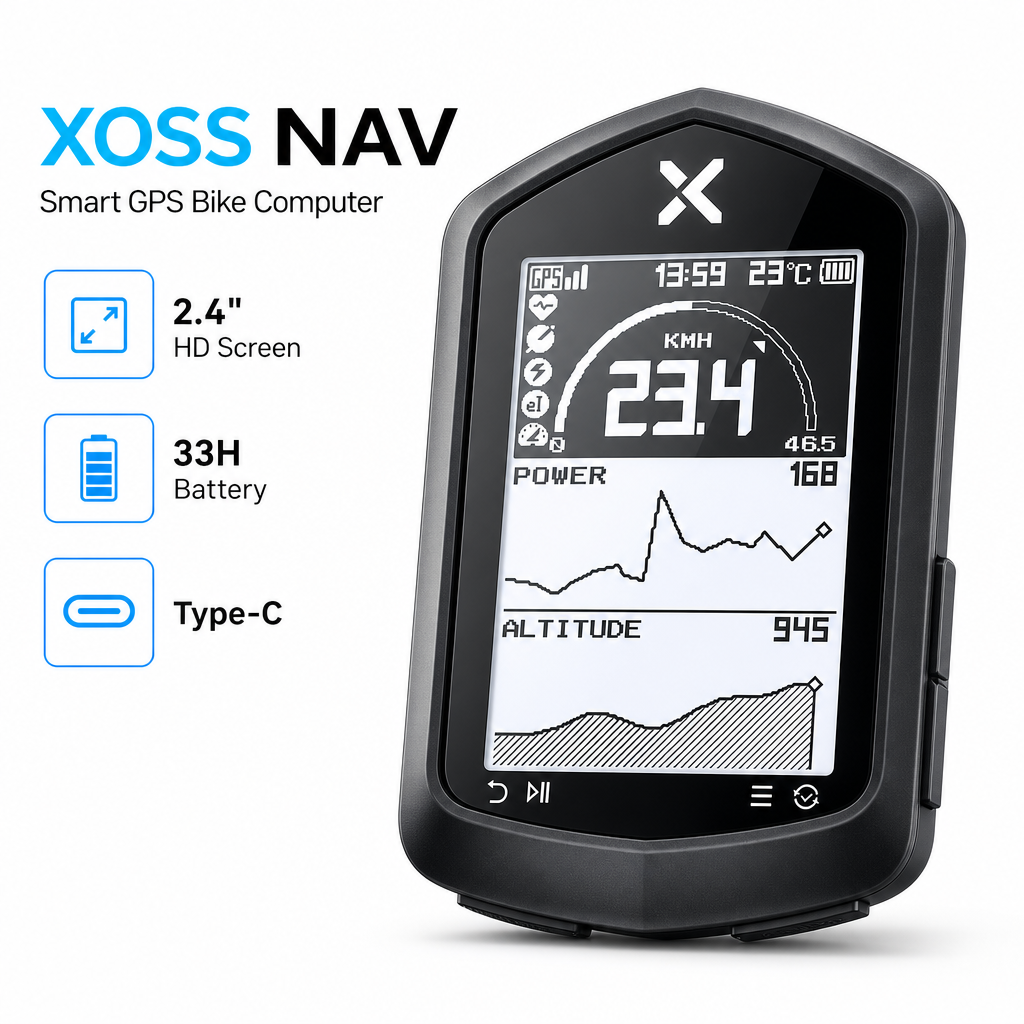
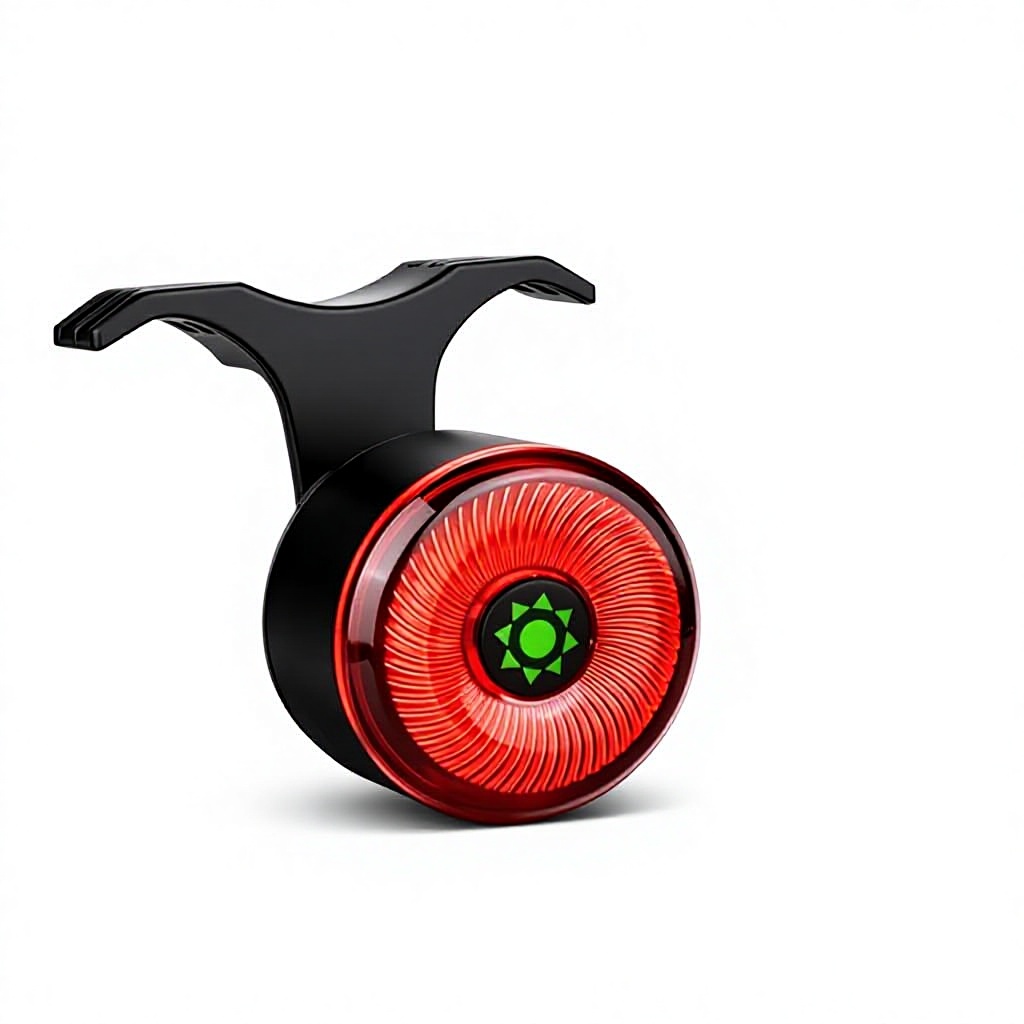
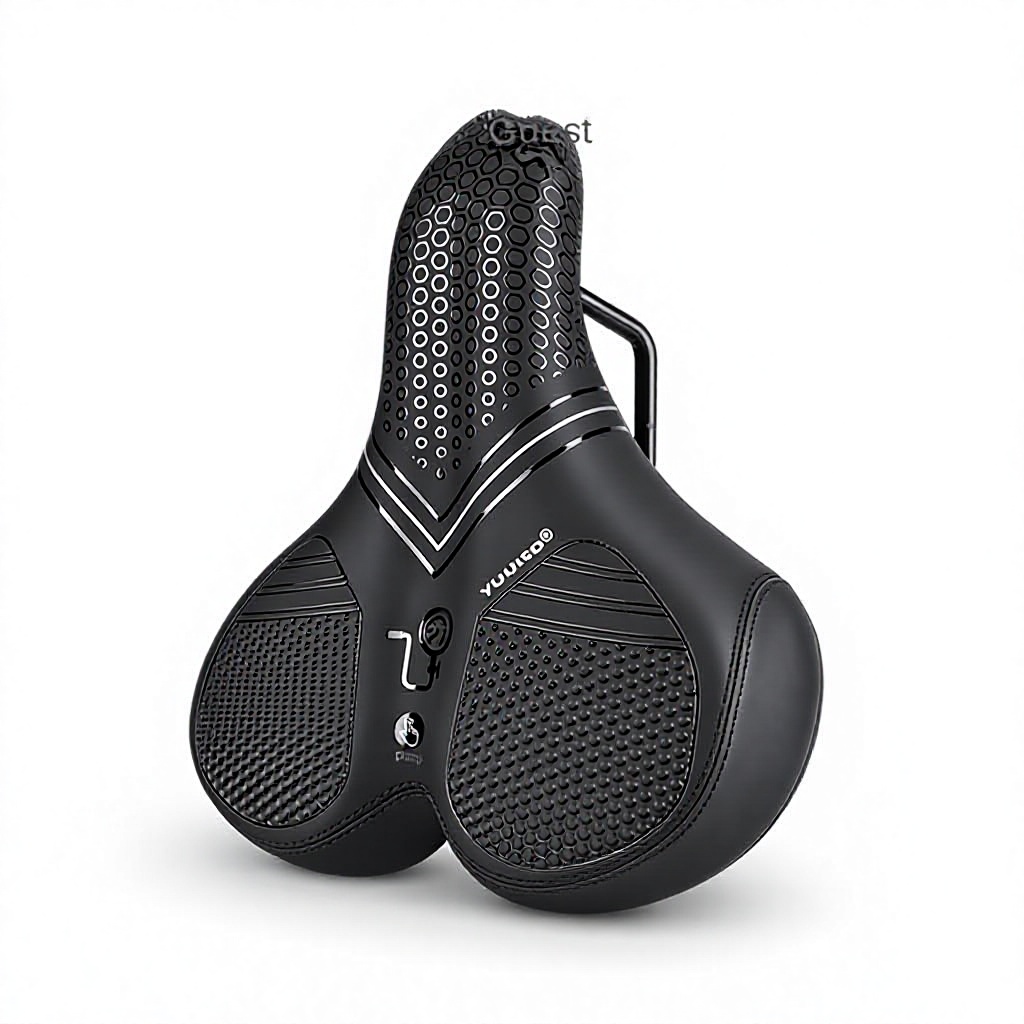
Austria represents one of Europe's most sophisticated and demanding markets for micro-mobility accessories. Characterized by strict legislative standards, comprehensive cycling infrastructure initiatives under the national "Masterplan Radfahren", and steep Alpine topography, cycling in Austria requires hardware that operates flawlessly across extreme environmental regimes. For bicycle tail light manufacturers and B2B exporters targeting Austrian distributors, commercial success depends on a granular understanding of statutory optical compliance, mechanical durability, and electrical engineering.
Austrian road safety guidelines are governed by the federal Fahrradverordnung (Austrian Bicycle Regulation, BGBl. II Nr. 146/2001), working synchronously with broader European harmonization standards, specifically aligning expectations alongside the German StVZO (Straßenverkehrs-Zulassungs-Ordnung, TA 23). Unlike generic overseas markets where raw, unshielded lumen outputs with high-frequency strobe patterns dominate retail shelves, the Austrian market strictly regulates luminous flux, directional glare control, solid non-flashing baseline requirements, and wide-angle horizontal dissipation.
As bicycle commuting expands across Vienna, Linz, Graz, and Salzburg, blended with heavy weekend usage of e-MTBs across Tyrol and Carinthia, Austrian commercial buyers—including large sport retailers, bicycle distributor cooperatives (Einkaufsgenossenschaften), and specialist OEM assemblers—require verifiable test reports, robust lithium battery safety certifications (UN 38.3), and audited manufacturing provenance before onboarding new product lines.
The operational lifecycle of a bicycle tail light deployed across Austria varies significantly from flat urban commuting corridors to severe sub-zero Alpine passes. Importers, brand partners, and B2B specifiers must evaluate product resilience through four primary operational scenarios:
Operated year-round in cities like Vienna and Innsbruck. Lights face heavy salt-mist corrosion, frequent cycling through thermal zones from heated offices to freezing winter mornings, and stop-and-go city traffic where high-angle side visibility (>220°) is mandatory to prevent blind-spot intersection collisions.
Navigating rough terrain in Styria or the Vorarlberg Alps. Harsh dynamic shocks, high vibration frequencies, sudden thermal drops, and violent mud spatters demand IPX6 or IP67 sealing, heavy-duty CNC-anodized alloy housings, and optical boards isolated from battery casing resonance.
Last-mile postal and parcel delivery bikes operating up to 12 hours continuously. Demands direct-wire e-bike power integration (6V–48V DC buck-boost support) or high-capacity rechargeable battery packs, paired with failsafe 3-axis accelerometer brake sensors.
Alpine mountain environments pose unique challenges for battery chemistry and silicone sealing integrity. Ambient operating temperatures ranging from -15°C in mid-winter to +35°C during high-altitude summer traverses induce severe battery capacity drop-off in unoptimized circuits. Low-temperature lithium-cobalt or lithium-polymer packs must be paired with low-quiescent-current battery protection boards (BMS) to avoid deep discharge lock-out.
Furthermore, internal condensation caused by transitioning from cold rain into temperature-controlled garages is a primary failure vector in poorly manufactured bicycle lights. Our production team utilizes automated ultrasonic welding, secondary dispensing of anti-hydrolysis optical silicone seals, and IPX6 submersion quality testing to ensure water cannot breach the LED PCB cavity or charging interface.
Procurement teams seeking competitive differentiation across Central Europe must align their catalogs with several structural design transitions currently sweeping through the Austrian, German, and Swiss cycling markets:
| Technology Sector | Conventional Approach | Modern Austrian Procurement Standard |
|---|---|---|
| Braking Detection | Mechanical micro-switches or crude spring-contacts prone to failure. | Smart 3-axis G-sensors with proprietary filtering algorithms that isolate legitimate deceleration from road bumps. |
| Charging Interface | Legacy Micro-USB connectors without structural ingress barriers. | Waterproof, sealed USB-C ports with internal silicon gaskets, compliant with EU Common Charger Directives. |
| Optical Dispersion | Simple direct-projection lenses causing forward/rear blind spots. | Fresnel micro-prism optics engineering yielding a smooth 220° to 270° horizontal visibility curtain without harsh glare. |
| E-Bike Integration | Isolated standalone battery assemblies requiring separate charging. | Dual-mode compatibility: Independent Li-Po operation plus optional DC step-down wiring harness for Bosch/Shimano motor drives. |
| Sustainability & Packaging | Single-use PVC blister packs and petroleum-derived foams. | FSC-certified unbleached kraft paperboard, soy-based ink printing, and modular screw-assembled chassis for WEEE repairability. |
Modern Austrian commuters and recreational riders demand rear lights that actively protect their stopping zones. Incorporating a tri-axial MEMS accelerometer allows our flagship smart tail lights to recognize when forward velocity drops at a rate exceeding 1.2 m/s². The system instantly elevates luminous intensity from a baseline 15 lumens up to an intense 80-lumen continuous warning flare for 3 seconds, alerting following motorists, e-cargo bikes, or pelotons well before reaction distances close.
Yiwu DOVU Outdoor Products Co., Ltd. operates as a specialized manufacturing and direct export partner built specifically to eliminate supply chain friction for global cycling brands. Backed by dedicated production facilities in Wenzhou and Hebei, supplemented by certified partner manufacturing in Guangdong and our centralized consolidation hub in Yiwu, Zhejiang, we combine manufacturing precision with agile logistics.
In-house industrial design teams and high-precision fiber laser marking machines allow rapid OEM/ODM brand adaptation. We execute clean laser logos on anodized alloy housings and custom multilingual packaging cards at low minimum order volumes.
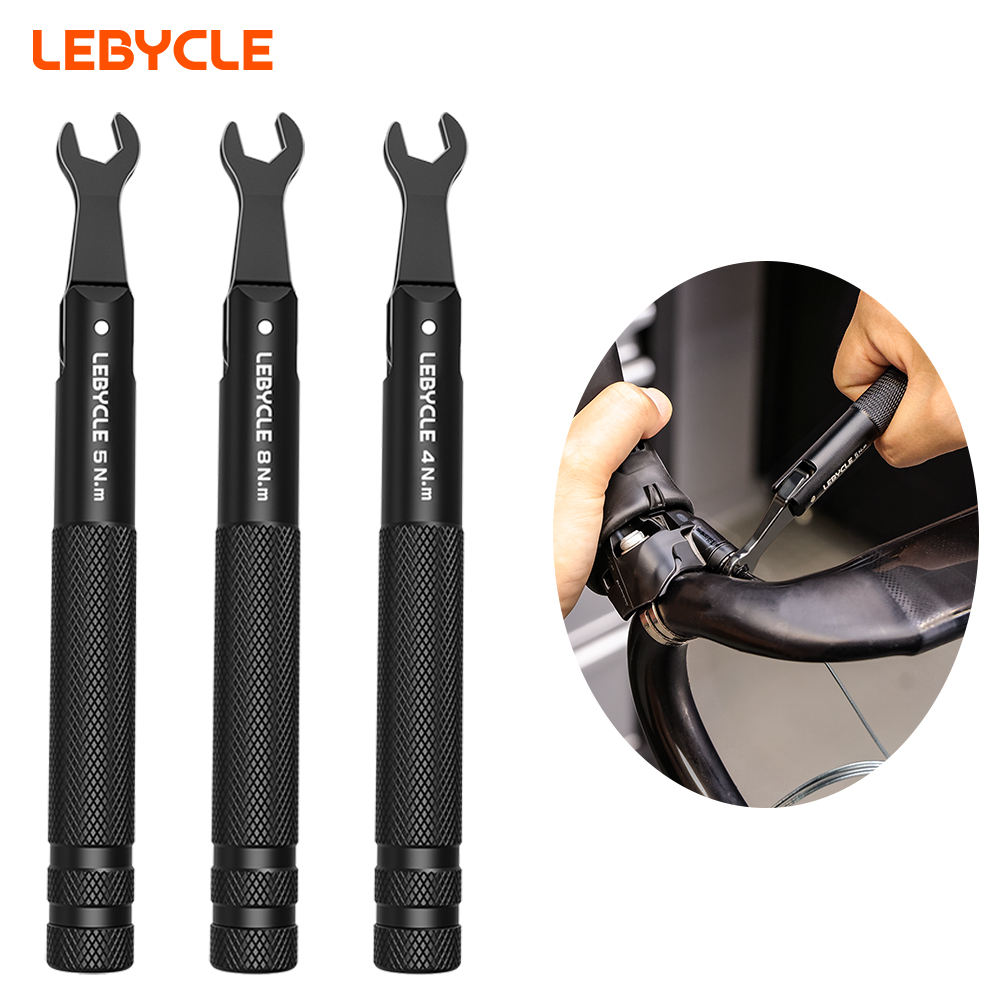
In addition to advanced optoelectronics, our catalog encompasses 8 core lines including CNC pedals, workshop repair stands, hydraulic torque tools, high-pressure pumps, and waterproof pannier bags. Order mixed SKUs in a single container or pallet shipment to minimize freight costs.
We routinely support European clients through structured trade channels: FOB Ningbo/Shanghai, CIF European Ports (Rotterdam/Hamburg), EXW, and comprehensive DDP (Delivered Duty Paid) air and rail delivery directly to Austrian distribution hubs.