Ready to Ship
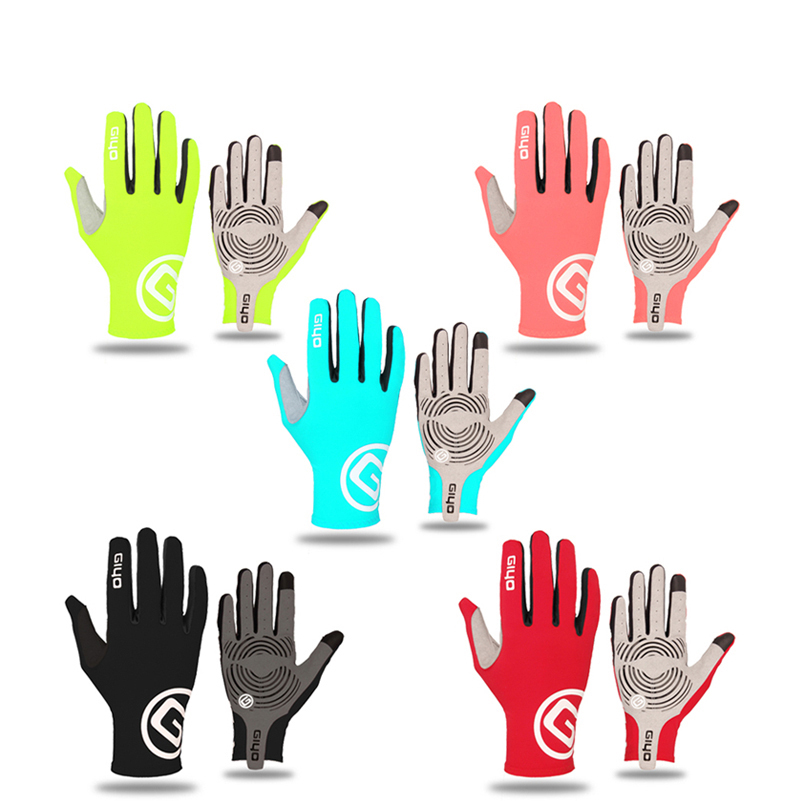
Engineered for severe-duty mountain, gravel, commuter, and electric bicycle applications. Built to strict dimensional tolerances with customizable compounds, retail-ready blister packaging, and private label laser marking.
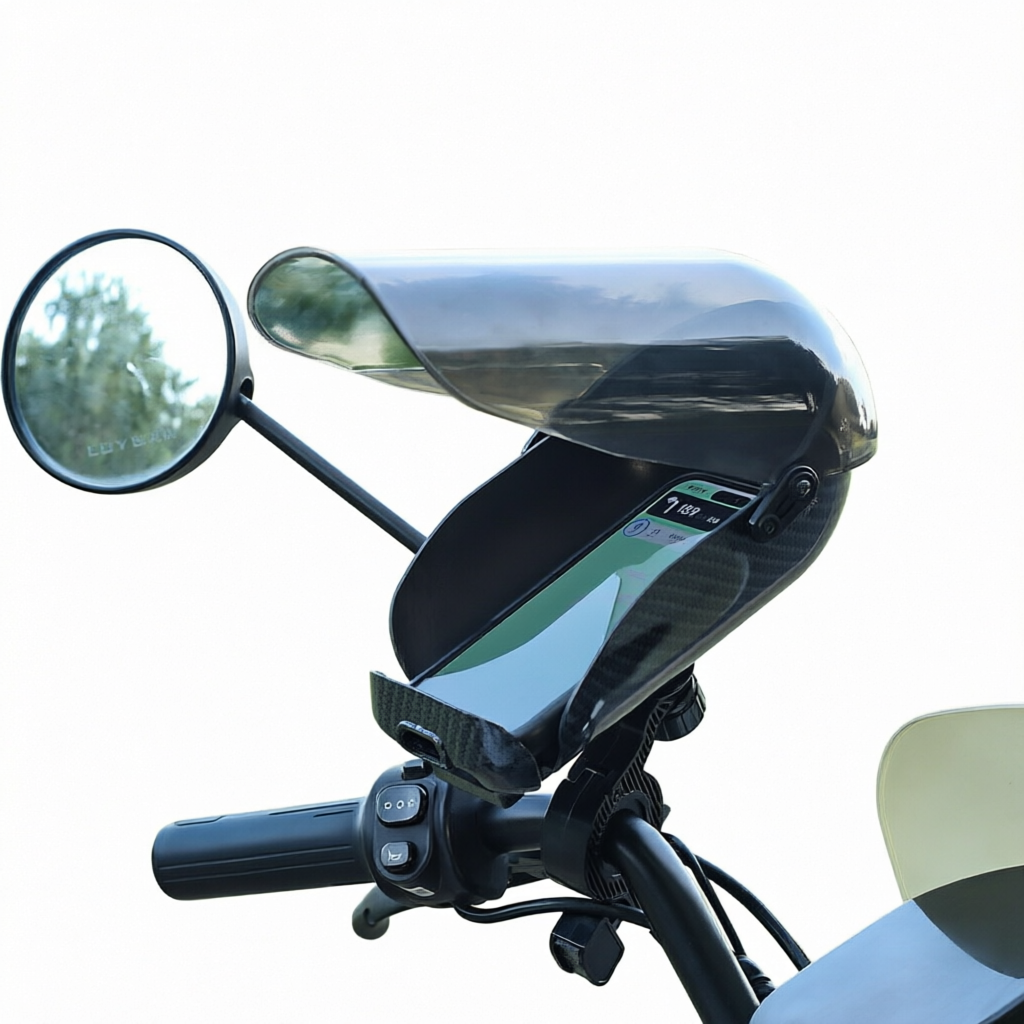
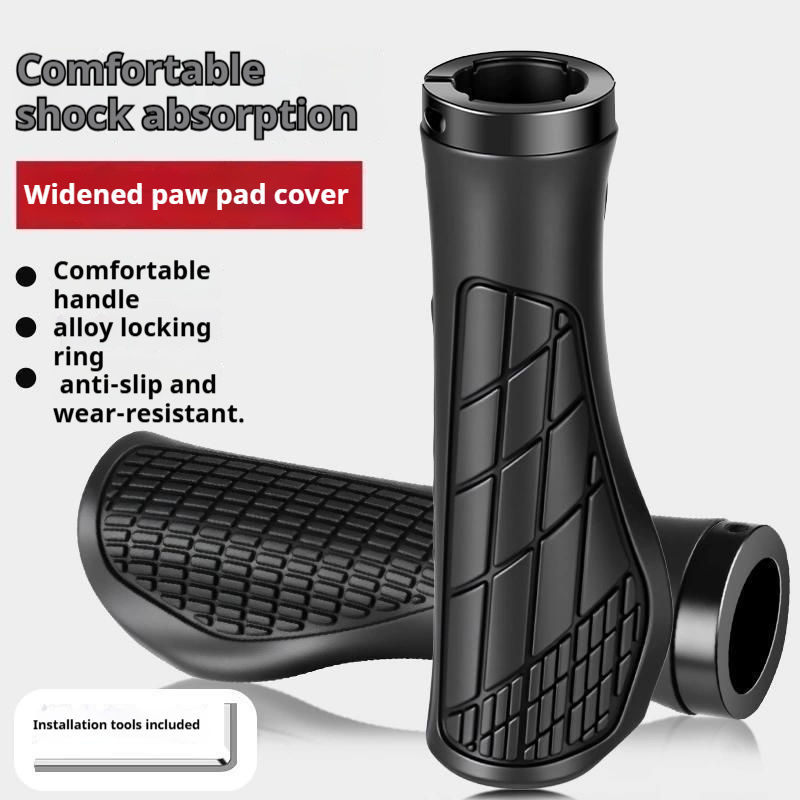
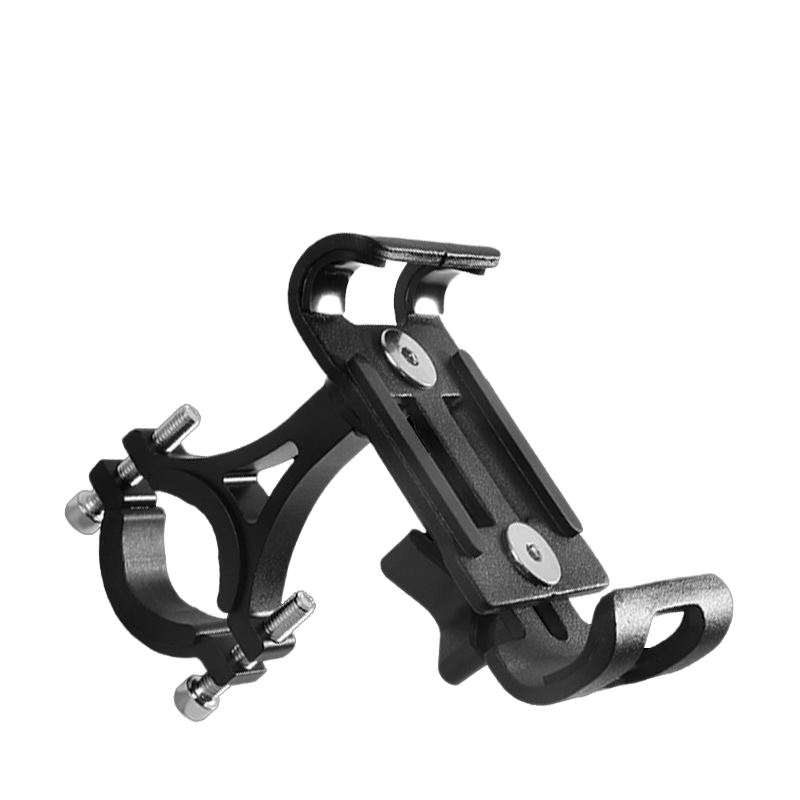
Bicycle handlebar grips represent the primary mechanical and tactile interface between the cyclist and the cockpit assembly. For North American original equipment manufacturers (OEMs), brand distributors, and retail procurement teams, evaluating bike grips extends far beyond aesthetic surface patterns. The engineering performance of a bicycle grip is governed by material viscoelasticity, durometer hardness (Shore A scale), torsional deflection, and polymer resilience under continuous cyclic vibration.
In our audited injection molding and vulcanization facilities, we formulate specialized elastomers categorized into four distinct industrial disciplines:
Engineered copolymer blends offering 25A–50A Shore hardness. Delivers outstanding thermal stability (-35°C to 110°C) without oily plasticizer migration. Fully recyclable.
LSR silicone compounds engineered for high-frequency dampening in gravel and ultra-distance endurance riding. Zero degradation under prolonged solar UV exposure.
A rigid polypropylene or reinforced nylon inner core co-molded with a soft, tacky outer Kraton rubber mantle, eliminating handlebar slippage under 85 Nm twisting forces.
CNC-machined aluminum lock-rings featuring Grade 10.9 stainless steel socket head bolts. Guarantees zero axial throttle-twist even in severe wet downhill conditions.
A fundamental parameter in North American sourcing specifications is the Shore A durometer trade-off. Softer compounds (28A to 35A) maximize tactile grip and damp low-amplitude trail chatter, preventing carpal tunnel strain and rider forearm fatigue. However, without cross-linked structural stabilizing agents, soft polymers suffer accelerated abrasion in humid and abrasive terrain. Our proprietary TPE-Kraton vulcanizates achieve an optimal equilibrium: a micro-textured, tacky outer tactile zone supported by high-density damping ribs, yielding long-term durability that satisfies warranty thresholds required by major US sporting retail chains.
The continental United States presents dramatic climatic variations and diverse cycling demographics. A bicycle grip compound optimized for the dry trails of Southern California or Arizona will fail prematurely if deployed without modification in the damp, muddy singletrack of the Pacific Northwest or the sub-zero winters of the Upper Midwest. As an engineering manufacturer serving North American importers, DOVU custom-tunes resin formulations to match specific regional operating conditions:
Designed for persistent precipitation, wet roots, and maritime humidity in states like Oregon, Washington, and Vermont:
Tailored for high ambient surface temperatures (exceeding 115°F) in Arizona, Nevada, and Texas:
Optimized for commercial cargo bikes, food delivery fleets, and daily commuters in NYC, Chicago, and San Francisco:
In addition to environmental stresses, the massive expansion of the Class 1, 2, and 3 electric bicycle market in North America has transformed grip design criteria. E-bikes exhibit significantly higher curb weights (55 to 80 lbs) and greater average cruising velocities. As a consequence, braking forces transferred through the rider’s palms and wrists increase by over 40% compared to traditional non-motorized pedal bikes. Our OEM e-bike grip line features asymmetrical palm swells engineered specifically to counteract forward inertia during sudden electronic braking.
Exporting bicycle components to the United States requires navigating complex federal and state-level consumer protection statutes. Commercial importers face catastrophic liability and border impoundments if polymeric goods fail chemical toxicity or structural retention standards. Yiwu DOVU Outdoor Products Co., Ltd. operates strict batch-traceability testing in compliance with accredited international bodies.
| Standard / Statute | Enforcing Agency / Scope | Engineering Threshold / Test Requirement | DOVU Verification Status |
|---|---|---|---|
| California Prop 65 | OEHHA (California Safe Drinking Water Act) | Total Phthalates (DEHP, DBP, BBP, DINP, DIDP, DnOP) < 1,000 ppm; Cadmium < 100 ppm; Lead < 90 ppm. | Batch Certified |
| CPSC 16 CFR Part 1512 | U.S. Consumer Product Safety Commission | Handlebar end protection test; grip must not pull off under 70 N axial tension; end plug impact containment. | Fully Compliant |
| CPSIA Lead in Substrates | Federal Public Law 110-314 | Accessible substrate lead content < 100 ppm in juvenile bicycle components and grips. | Lab Verified |
| ISO 4210-2:2015 | International Standards (Cycles Safety) | Clause 4.7.2: Grip security; torsional stability test under 10 N·m torque without angular dislocation. | Surpasses 14 N·m |
| TÜV Rheinland Assessed | Independent Factory Capacity Audit | Onsite verification of 1,450 m² floor space, quality assurance documentation, laser marking, finished-product QC. | Assessed Onsite |
A critical, often overlooked failure mode in low-cost imported bicycle grips is bar-end punch-through. Under CPSC 16 CFR § 1512.6, handlebars must have unexposed ends to eliminate the hazard of impalement in the event of a crash. Non-compliant grips manufactured with brittle plastic end-caps or thin rubber walls rupture upon impact with asphalt. DOVU incorporates internally molded nylon core plugs or integrated heavy-duty expansion end-plugs that remain securely anchored even under repeated drop impacts, protecting US distributors from severe product liability claims.
The cycling components sector is undergoing significant structural shifts driven by consumer sustainability mandates, internal cockpit electronic routing, and rapid gravel sector expansion. US procurement directors should calibrate their forward inventory against four key manufacturing trends:
Rising consumer demand in the US has accelerated adoption of bio-based TPE derived from plant polymers and recycled ocean fishing nets for internal lock-ring substructures, lowering lifecycle carbon footprint by up to 38%.
Handlebars are increasingly cluttered with electronic shifting, display control remotes, and lighting switches. Next-generation grips feature molded internal raceways that conceal wiring harnesses cleanly beneath the rubber profile.
The gravel boom has stimulated massive adoption of high-thickness (3.5 mm to 4.5 mm) composite handlebar tapes combining expanded EVA foam cores with polyurethane tactile surfaces that retain grip in muddy bikepacking races.
US bicycle accessory brands require swift market turnaround. Low-MOQ fiber laser logo etching on lock-rings enables emerging direct-to-consumer (DTC) brands to launch proprietary collections without expensive steel mold re-tooling.
Combining advanced precision molding facilities in Wenzhou and Hebei with an audited consolidation logistics warehouse in Yiwu, DOVU bridges the gap between raw manufacturing power and international export reliability. Assessed onsite by TÜV Rheinland, our multi-stage inspection framework eliminates quality discrepancies before container loading.

Whether you require minor brand customization (laser engraving your insignia on anodized lock-clamps) or bespoke industrial tooling from 3D CAD step files, DOVU maintains an agile manufacturing pipeline structured for American importers:
In-house CNC mold-making allows custom surface diamond-tread patterns, ergonomic finger grooves, and custom dimensions with mold lead times in 18–25 days.
Pantone color matching with virgin TPE and Kraton resins. In-line masterbatch blending guarantees complete color uniformity across 50,000+ piece production runs.
High-tonnage injection machines fuse the rigid internal skeletal sleeve with the dampening exterior elastomer mantle in a single cohesive thermal bonding process.
From custom retail blister cards with euro-slots to bulk recyclable packaging for bike assembly plants, complete with UPC-A barcodes and master carton labels.
Practical commercial answers addressing minimum order volumes, tooling investments, testing documentation, shipping terms, and supply chain timelines for US purchasing agents:
A reference checklist utilized by cycling procurement specialists to align handlebar grip materials, durometer ranges, and packaging formats with corresponding North American sales channels:
| Category | Target Application | Recommended Polymer | Durometer (Shore A) | US Packaging Format |
|---|---|---|---|---|
| Trail & Enduro MTB | Technical downhills, wet roots, bike parks | Dual-density Kraton + 6061-T6 dual lock-rings | 30A (Outer) / 55A (Core) | Hanging retail blister pack with test window |
| All-Weather Commuter | Daily urban transport, metro transit racks | Medical-grade silicone or high-abrasion TPE | 38A – 45A | Header card with barcoded hanging sleeve |
| Commercial E-Bike Fleet | Delivery couriers, rental fleets, cargo bikes | Broad-wing ergonomic TPR with molded core | 42A – 48A | Bulk workshop packaging (50 pairs/carton) |
| Gravel & Touring | Unpaved fire roads, multi-day bikepacking | High-density EVA foam + PU composite tape | Viscoelastic Foam | Compact presentation gift box with finishing strips |
| BMX & Dirt Jump | Street, park, pump track, extreme impacts | Flanged ribbed Kraton compound with open ends | 28A – 32A | Polybag with integrated branded header tag |
Partner with an audited manufacturing powerhouse. In-house mold engineering, laser marking, CPSC-compliant laboratory verification, and consolidated logistics serving the United States market.