Industrial White Paper: Sourcing Bicycle Combination Locks for the Greater Oslo Metropolitan Ecosystem
Sourcing commercial cycling security systems for the Scandinavian market requires a metallurgical and functional pivot away from generic Central European hardware. In Oslo, urban mobility is governed by aggressive municipal decarbonization policies (such as the Sykkelstrategi for Oslo 2015–2025), an exponential shift toward premium commuter e-bikes, and extreme climatic swings. Bicycle locks deployed across the Oslo Fjord corridor endure extended winters, heavy applications of calcium chloride brine street de-icers, persistent sub-zero moisture condensation, and organized mechanical attack methods targeting opportunistic commuters around multimodal transit terminals.
This technical white paper establishes the baseline materials science, dial mechanism tolerances, chain hardness profiles, and export methodologies mandated by Chinese factories serving tier-1 Norwegian importers, sports distributors, municipal fleet managers, and hardware wholesale groups.
1. Sub-Zero Mechanical Engineering: Combating Low-Temperature Seizure
The foremost operational failure of standard combination locks imported into Norway occurs within internal tumbler interfaces between -5°C and -25°C. Conventional combination mechanisms utilize low-grade zinc die-cast tumblers paired with petroleum-based viscous grease. Under sub-zero Nordic conditions, this lubricant undergoes crystallization and severe viscosity elevation, causing dial lock-up, slipping gear clutches, and tumbler misalignments that prompt consumer returns and warranty liabilities for retailers.
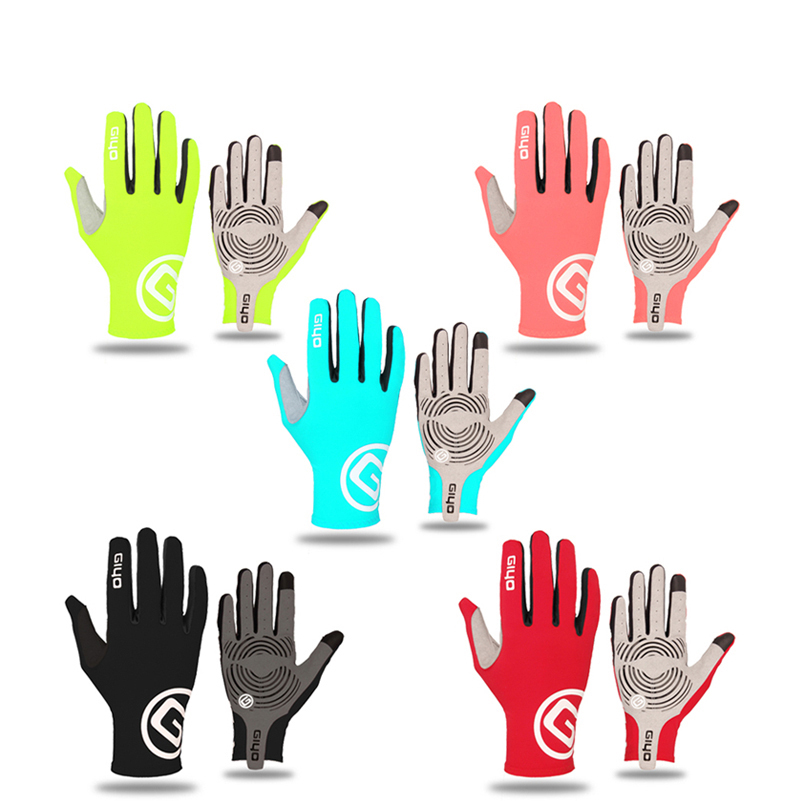
Our OEM combination lock manufacturing utilizes engineered polyoxymethylene (POM) internal gears paired with electro-polished aerospace-grade zinc alloy or precision CNC brass numbered dials. The lubrication regime eliminates hydrocarbon greases in favor of synthetic, non-gumming fluorosilicone lubricants rated down to -40°C. This guarantees tactile, crisp detent clicks during midnight winter conditions in Holmenkollen or Karl Johans gate, even when operated by cyclists wearing thick insulated lobster gloves.
Cold-Proof Dial Detents
High-relief tactile numerals with deepened mechanical detents ensure positive registration and indexing through heavy gloves without reliance on fine visual alignment.
Anti-Manipulation False Gates
Internal decoding pins incorporate blind undercut notches (false gates) preventing tension-wrench decoder shimming and auditory picking prevalent in urban transit theft rings.
Brine & Salt Corrosion Defense
Oslo's heavy road salting demands exceptional finishing: core internal springs utilize SUS304 stainless steel, surviving 240+ hours ASTM B117 salt spray testing with zero red rust.
2. Structural Metallurgy: Cutting, Torsion, and Hydraulic Jack Resistance
Bicycle combination locks marketed across the Nordic region are segmented into secondary deterrents (quick-stop frame/cable designs) and primary defensive barriers (hardened link chains and steel foldables). When targeting the premium Oslo cargo bike (lastesykkel) and high-torque e-bike demographics, the structural integrity of the cable or link is non-negotiable. Standard structural mild steel locks fail against 24-inch bolt cutters in under three seconds.
Our production facilities employ deep induction case-hardening on manganese-boron alloy steel links (20MnV6 and 20MnB4). The process creates a differential hardness profile: a core hardness of 42–46 HRC maintains ductile tenacity to absorb dynamic sledgehammer blows and hydraulic wedge attacks, while an outer case depth of 0.8mm–1.2mm achieves 60–63 HRC to resist high-leverage tungsten-carbide bolt croppers and hacksaw blades.
| Lock Architecture | Material Core / Sheath | Tensile Cut Rating | Thermal Threshold | Oslo Urban Application | Nordic Insurance Correlation |
|---|---|---|---|---|---|
| Heavy Duty Hex Chain (10mm) | 20MnB4 Boron Steel + Polypropylene Sleeve | > 68 kN Hydraulic Shear | -40°C to +80°C | Oslo S, Majorstuen multimodal overnight | FG-Godkjent Equivalent |
| High-Tensile Cable Lock (15-20mm) | Braided Aircraft Steel + PVC Outer Jacket | > 28 kN Lateral Tensile | -30°C to +60°C | Secondary wheel anchor, daytime cafe stops | Supplementary Only |
| Articulated Folding Lock | Hardened 5mm Steel Plates + Riveted Joint | > 45 kN Shear Resistance | -35°C to +75°C | Commuter e-Bikes, compact frame mounting | High Security Grade |
| Integrated Frame Dial Lock | Forged Alloy Shackle + Zinc Die-Cast Housing | > 22 kN Torsion Load | -40°C to +85°C | Oslo Bysykkel style depot parking, short errands | Immobilizer Only |
3. Localized Oslo Deployment Scenarios
To design an inventory matrix that minimizes shelf dwell time for Oslo sporting chains (such as XXL, Anton Sport, or independent bike verksteder), manufacturers must tailor packaging, lock lengths, and locking mechanisms directly to Norwegian cycling infrastructure.
A. The Oslo Central Station (Oslo S) and Multimodal Transit Hubs: Commuters traveling into Jernbanetorget, Nationaltheatret, and Lysaker require quick-to-lock, keyless combination architectures to eliminate the anxiety of misplaced keys during congested morning transfers. Locks deployed here face professional thieves armed with cordless 18V angle grinders and high-leverage compound cutters. Here, 5-digit customizable combination mechanisms welded directly to 100cm+ link chains allow cyclists to wrap the rear triangle and motor drive of an e-bike directly around fixed Sheffield stands or municipal inverted-U parking staples.
B. The Grünerløkka & St. Hanshaugen Residential Corridors: Oslo's urban core features older multi-family apartment buildings with steep staircases and shared bike courtyards (bakgårder). This infrastructure has driven unprecedented adoption of two- and three-wheeled cargo bikes (e.g., Urban Arrow, Riese & Müller). Cargo bikes cannot maneuver into standard bike shelters; they remain locked street-side to lampposts and railing fixtures. Importers must procure extra-length (120cm to 150cm) combination chain locks that eliminate the need to carry separate keys between spouses or domestic partners who co-share the cargo bike across staggered school and shopping runs.
C. The Fornebu & Nydalen High-Tech Commuter Corridors: Corporate campuses around Telenor Arena, Equinor Fornebu, and Nydalen feature covered bike garages equipped with fast chargers. In these semi-secure zones, weight savings and fast deployment take priority. Lightweight 4-digit resettable steel cable locks and articulated folding combination locks mounted neatly to standard bottle-cage braze-ons provide the ideal equilibrium between portability and deterrence against opportunistic theft.
D. The University of Oslo (UiO) Blindern Campus: High student volume coupled with seasonal bike abandonment makes Blindern a known hotspot for opportunistic bike stripping. Value-driven 4-digit combination cable locks integrated with tool-less quick-mount brackets are the leading seller across semester starts (August and January), where cost efficiency, low MOQ private labeling, and vibrant packaging capture retail volume.
4. Market Trends Shaping Norway's Locking Hardware Procurement
Procurement directors sourcing for the Norwegian market must align manufacturing orders with three macroeconomic trends currently dominating the retail sector:
Strict Insurance Classifications (Forsikringsselskapenes Godkjennelsesnevnd - FG): Norwegian insurers (including Gjensidige, Fremtind, and If Skadeforsikring) apply stringent deductible penalties or outright claim rejections if an e-bike valued over 25,000 NOK is stolen while secured by an uncertified lock. While key-operated U-locks have traditionally dominated FG approvals, the market is urgently demanding FG-equivalent heavy-duty 5-digit resettable combination chain locks that deliver high physical security without the logistical vulnerability of lost keys in sub-zero snowdrifts.
The All-Season "Piggdekk" Commuter Shift: Oslo Kommune's substantial investments in winter road maintenance and studded tire subsidies mean cycling is no longer a six-month seasonal activity. Over 30% of Oslo cyclists commute year-round. This has forced importers to reject locks coated in brittle PVC jackets, which shatter into shards at -15°C. Our factory supplies cold-temperature modified Thermoplastic Elastomer (TPE) or ballistic nylon woven sleeves designed to remain supple down to -35°C, preventing frame scratching and user frustration.
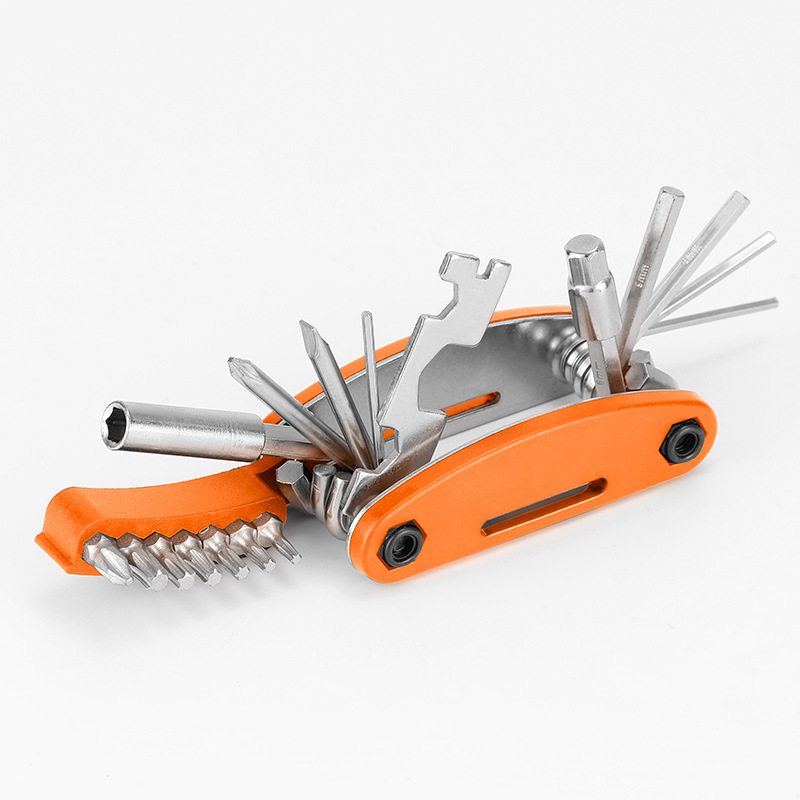
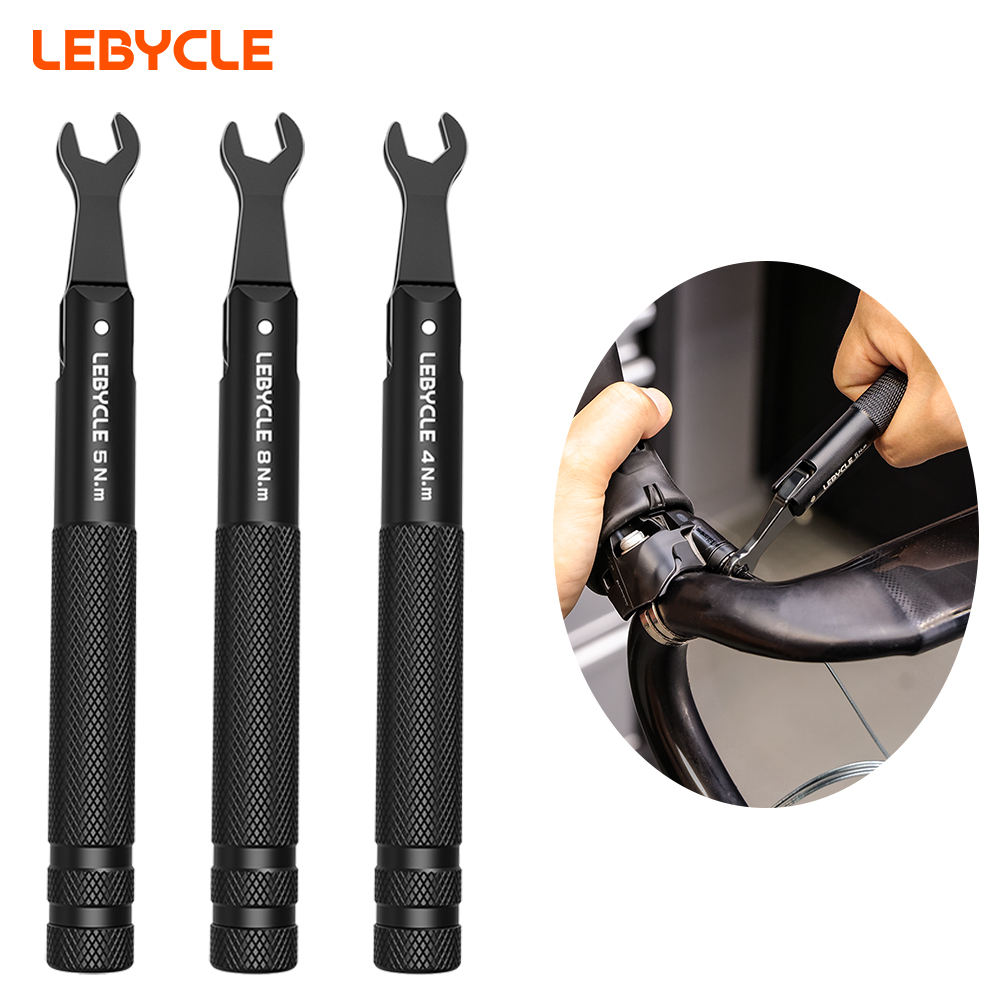
Consolidated Mixed-SKU Procurement: Freight costs from Ningbo/Shanghai into Oslo Havn or through continental European feeder hubs require maximum container volumetric efficiency. Norwegian distributors cannot afford to manage separate factories for locks, hex multi-tools, hydraulic maintenance wrenches, and lighting gear. DOVU resolves this friction via centralized quality control and consolidation from our TÜV-assessed Yiwu and Zhejiang logistics hubs.