Core Engineering & Sourced Product Catalog
Explore precision-engineered illumination hardware, workshop tooling systems, and critical cycling hardware consolidated from our verified supply lines in Zhejiang and Guangdong.
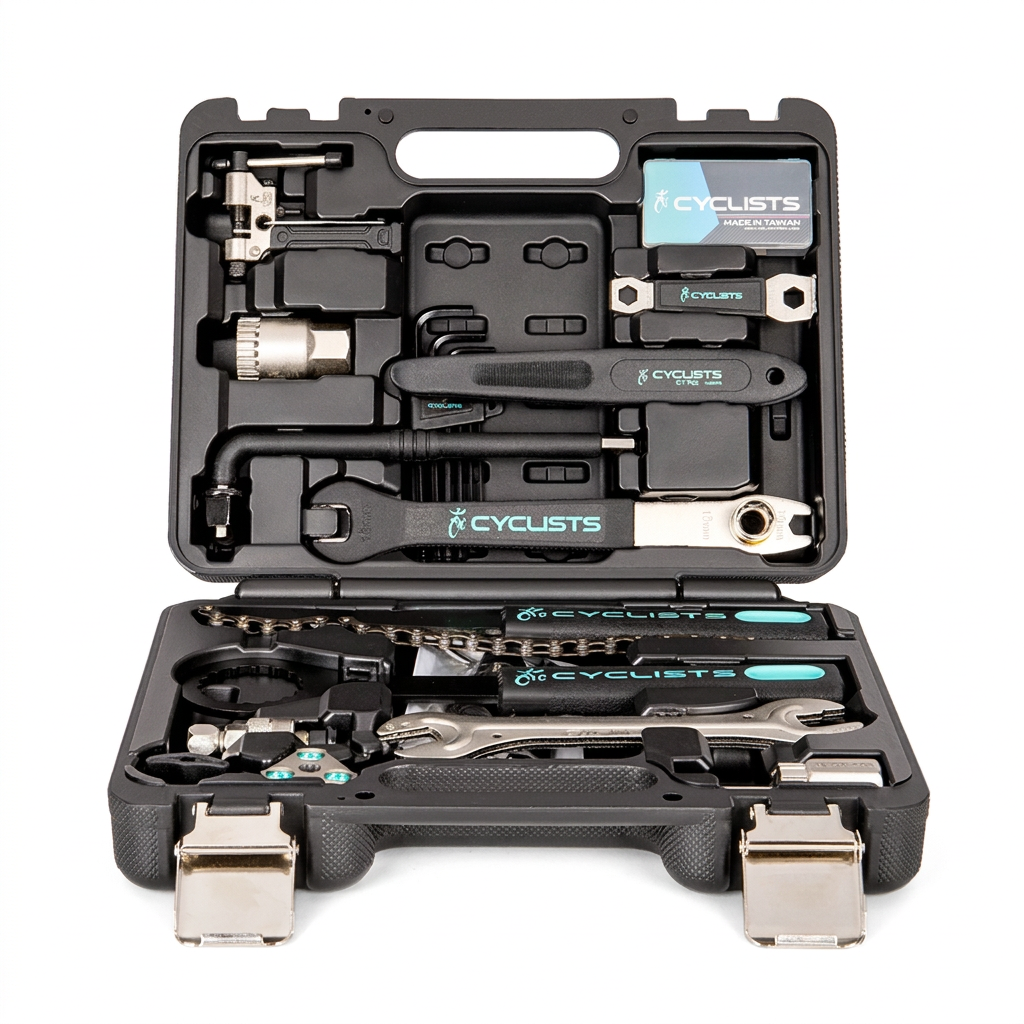
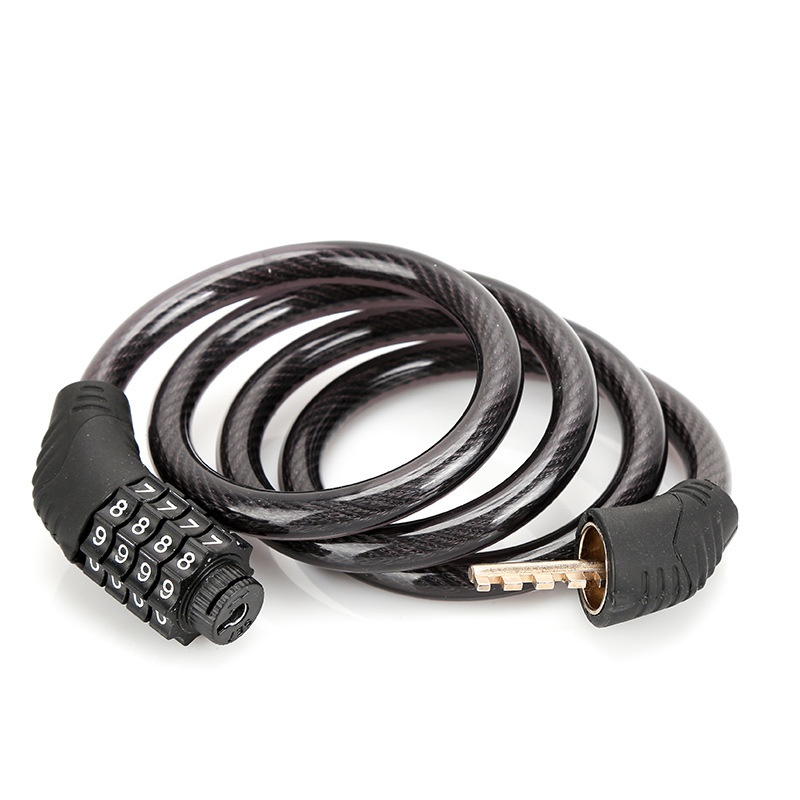
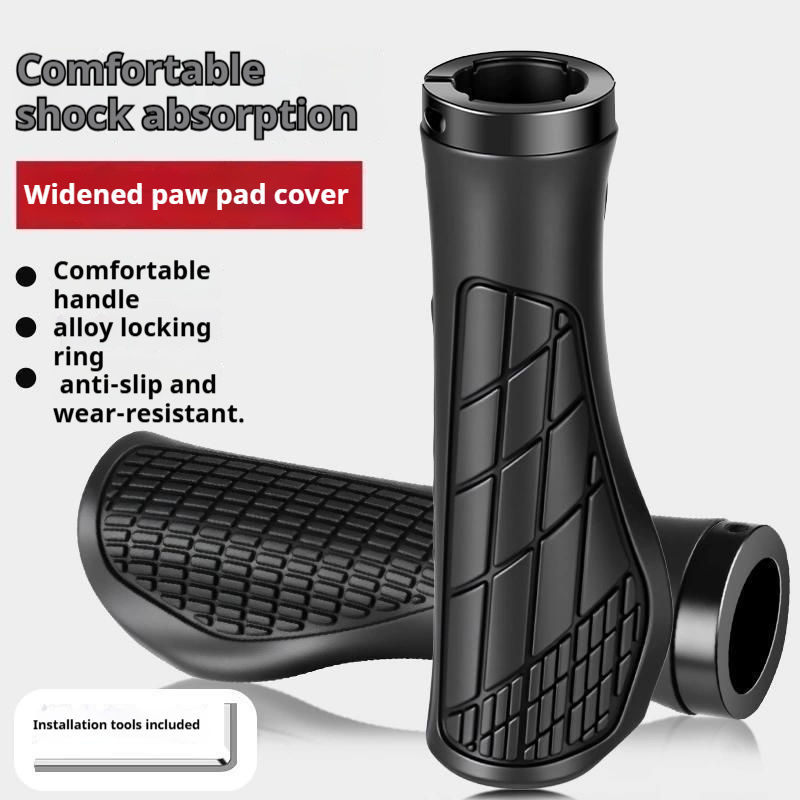
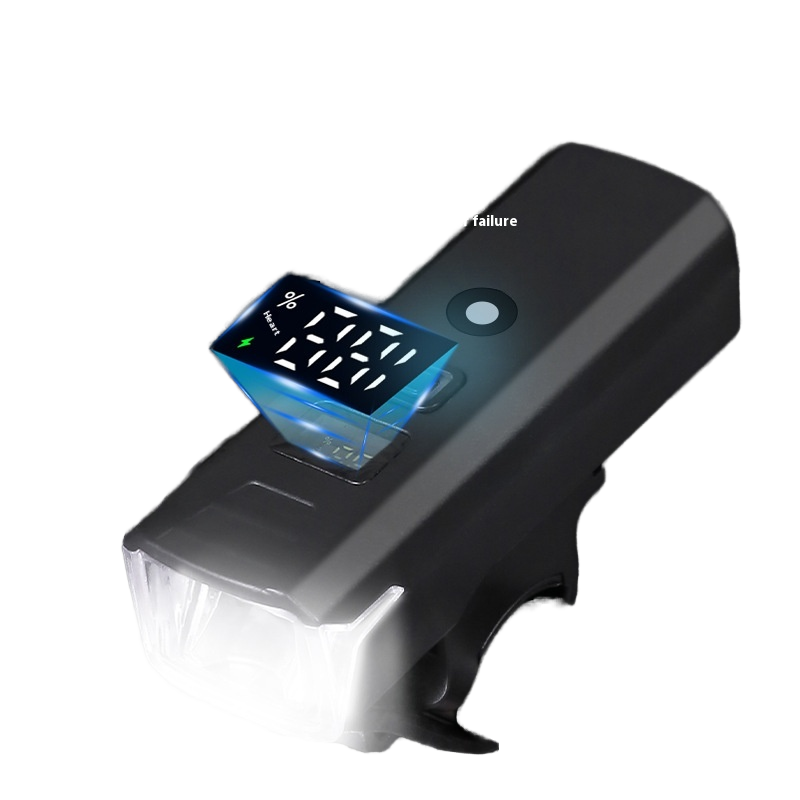
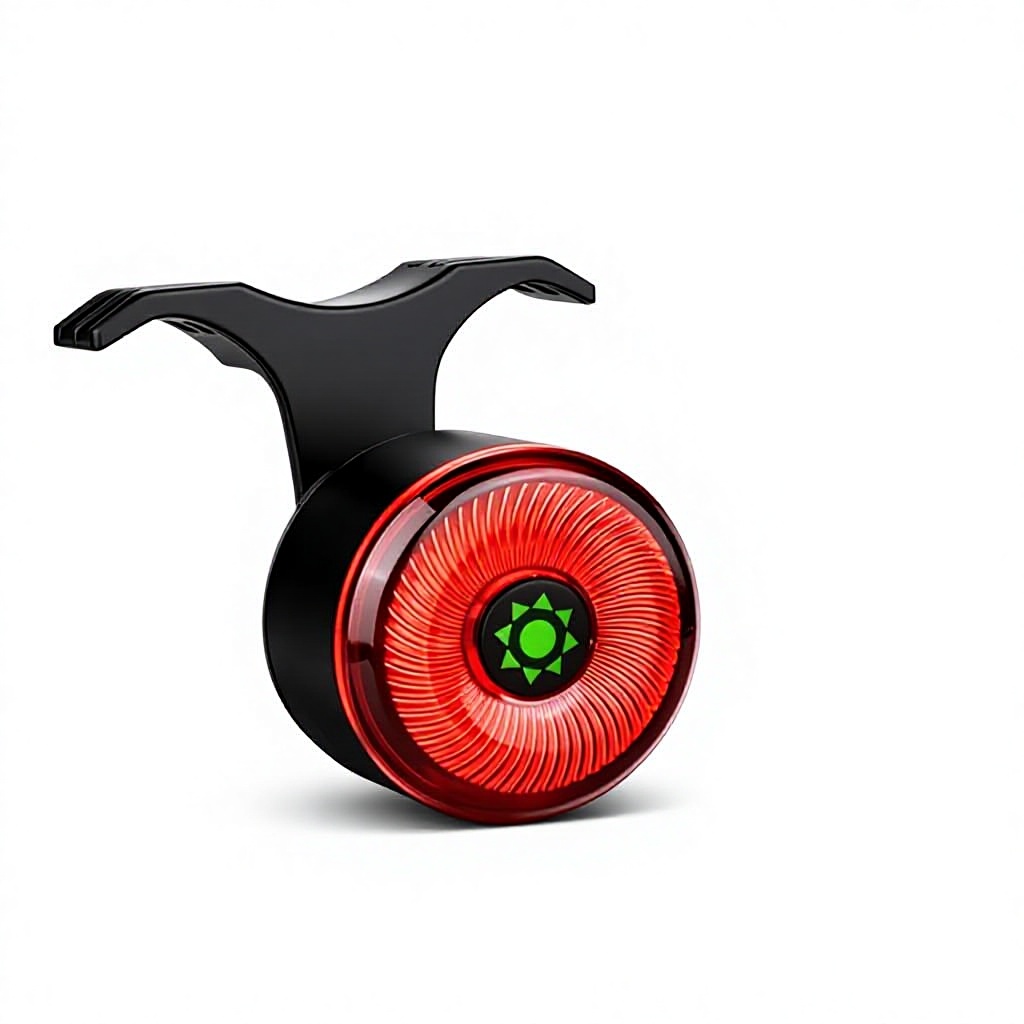
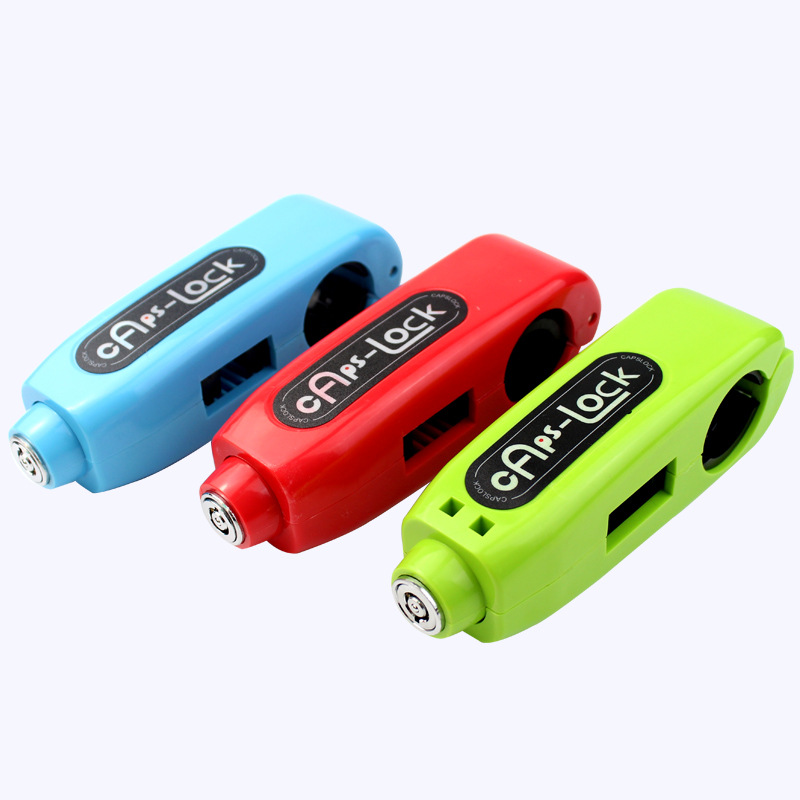
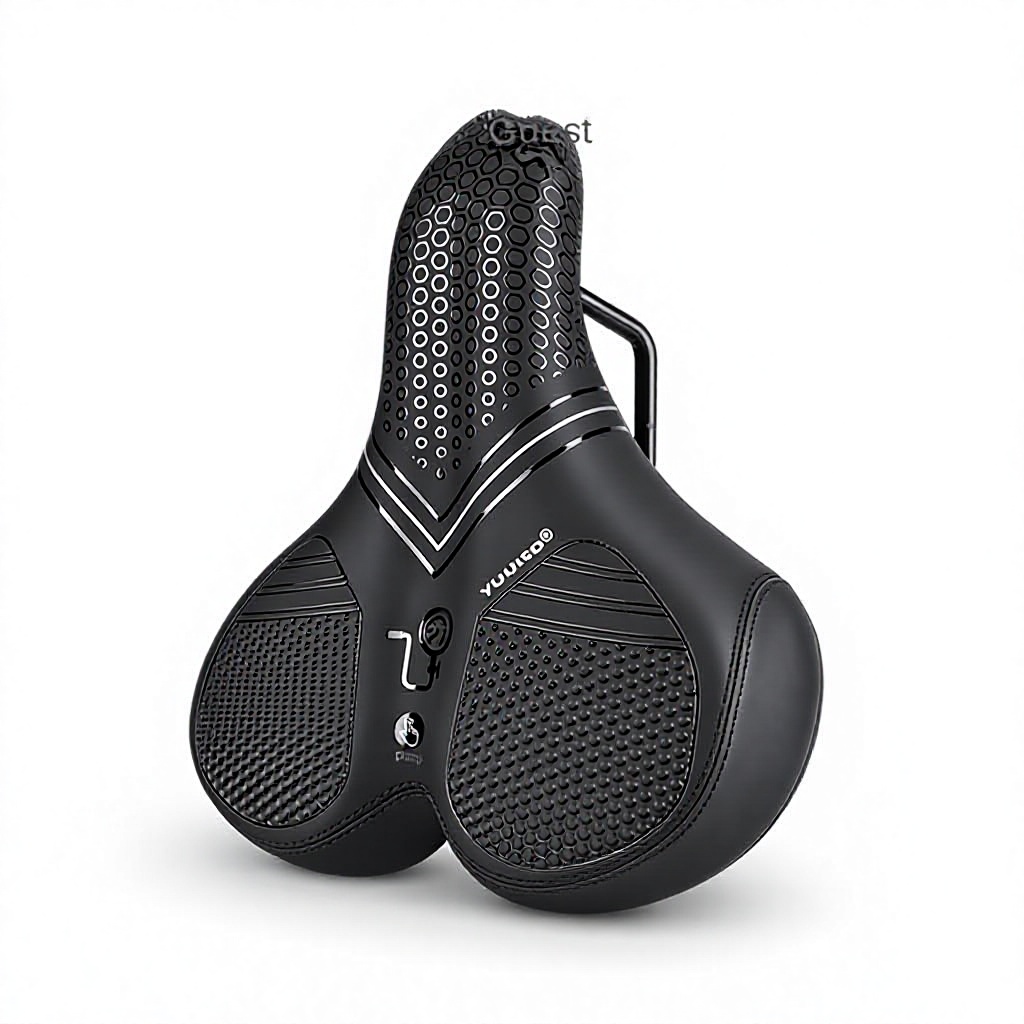
Emerging Procurement & Sourcing Trends in Bicycle Illumination
B2B bicycle light procurement has transitioned from commoditized lumens-per-dollar trading to precision optical engineering, strict jurisdictional compliance, and smart system integration.
Cut-Off Line Optics (StVZO Compliance)
European distribution networks (notably DACH, Benelux, and Scandinavia) enforce strict non-glare optics under road traffic licensing regulations. Procurement is prioritizing Free-Form Reflectors (FFR) that project light horizontally downward, preventing oncoming driver blinding while maximizing road patch illumination.
- Zero direct vertical beam bleed
- Sharp optical boundary cut-offs
- ECE R113 and K-Mark certification compliance
Dual-Cell Power Bank Integration
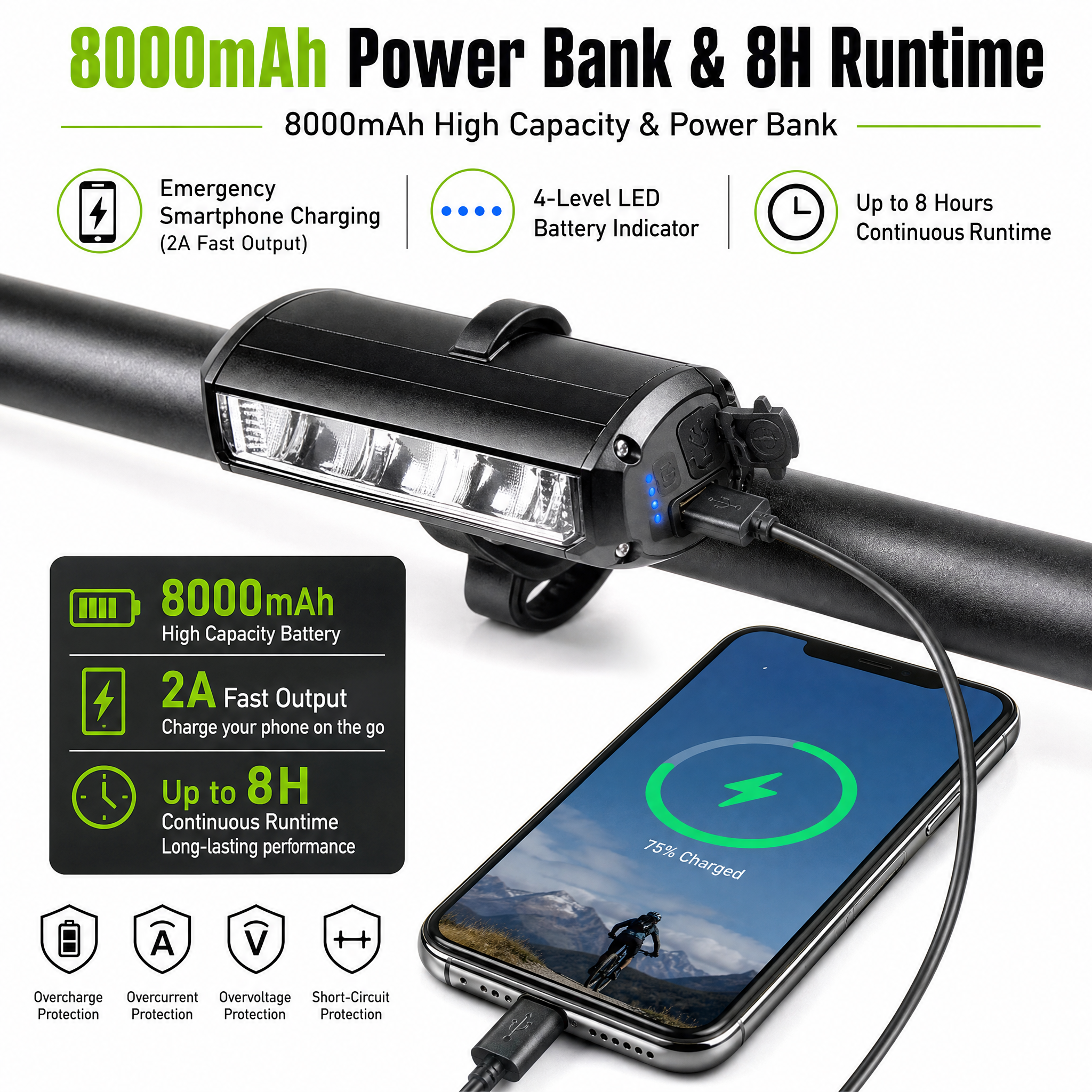
Long-distance bike packers, gravel riders, and daily e-commuters require multi-day runtimes. Importers are bypassing single-cell 18650 solutions for high-density 21700 lithium architectures offering 8000mAh capacities with bidirectional USB-C PD (Power Delivery) output.
- Bidirectional fast charging (5V/2A to 9V/2A)
- Intelligent battery state display (OLED/LED)
- Over-charge, over-discharge, & NTC thermal protection
Kinetic Triaxial Sensor Tail Lights
The standard continuous flashing rear light has evolved into an active automotive-grade safety device. Modern buyers demand integrated triaxial accelerometer sensors capable of identifying rapid negative deceleration and automatically triggering an ultra-bright steady brake warning.
- Micro-electro-mechanical (MEMS) brake logic
- Smart sleep/wake motion sensing modes
- Ambient daylight automatic lumen throttling
Engineering Trajectory: Next-Generation Bicycle Light Architectures
A comprehensive technical roadmap outlining the structural shifts in solid-state LED emitters, thermal packaging, and intelligent micromobility networks over the next 3 to 5 years.
Chip-Scale Packaging (CSP)
CSP and Micro-LED matrices eliminate traditional wire bonds and substrate packaging. This delivers higher thermal dissipation efficiency, compact optical footprints, and narrower light beam calibration angles within minimal form factor chassis.
CAN-Bus & E-Bike Direct Input
With electric bikes driving the mid-to-high cycling sector, front headlights and smart tail arrays are directly tapping 6V-60V DC battery power rails via standardized Bosch, Shimano, and Bafang motor interfaces, bypassing independent battery cells completely.
Die-Cast CNC 6061 Enclosures
High-output LEDs generate high heat junctions. Forward-looking factories utilize aircraft-grade 6061-T6 aluminum casings engineered with micro-fin thermal channels that prevent optical lumen degradation and preserve lithium battery health over extended duty cycles.
ANT+ & Bluetooth BLE Mesh
Automated cockpit light controllers synced via ANT+ cycling computers (Garmin, Wahoo) automate lighting intensity based on GPS-calculated sunset times, ambient riding speeds, and battery preservation parameters.
| Tier Parameter | Standard Flash / Commuter Light | High-Output Trail & Touring Light | Regulatory Compliant (StVZO) Matrix |
|---|---|---|---|
| Luminous Flux / Candela | 200 – 600 Lumens (Symmetric) | 1000 – 3000 Lumens (Broad Flood) | 50 – 120 Lux @ 10 Meters (Sharp Cut-Off) |
| Optical Architecture | Standard Circular PMMA TIR Lens | Multi-LED Reflector with Frosted Perimeter | Complex Free-Form Aspheric Prism Cut-Off |
| Ingress Protection | IPX4 to IPX5 (Water Resistant) | IPX6 to IPX7 (Heavy Downpour / Immersion) | IP65 (Automotive-Grade Submersion & Dust) |
| Power Architecture | Integrated 18650 (1200 - 2200mAh) | Dual 21700 (5000 - 8000mAh) / Ext. Pack | Internal Li-Po or E-Bike High Voltage Step-Down |
| Target Channels | General Mass Market & Department Stores | Specialty Outdoor, Gravel & Enduro Brands | EU Urban Commuter & Fleet City Networks |
Why Tier-1 Importers Source with DOVU Gear
Combining proprietary manufacturing facilities in Wenzhou and Hebei with verified Guangdong electronic partnerships and a central 1,450 m² export hub in Yiwu.
OEM / ODM Engineering & Laser Marking
We provide full-spectrum customization spanning custom circuit driver firmware, lens injection tooling, Pantone-matched anodizing, and precise fiber laser marking for permanent, wear-resistant brand logos on alloy tool bodies and light casings.
Rigorous Pre-Shipment QC Protocol
Every production batch undergoes strict quality control before outer packaging: integrating sphere lux tests, battery capacity cycle checks, thermal imaging stress testing, and drop/vibration simulations to ensure zero field failures for retail and e-commerce brands.
Mixed-SKU Consolidation Hub
Eliminate the logistical friction of handling 5 different factories. Consolidate bicycle headlights, smart tail lights, multi-tools, puncture repair kits, and CNC alloy pedals into single FCL or LCL shipments directly from our Yiwu consolidation facility.

TÜV Rheinland Onsite-Assessed Custom Manufacturer
Verification Certificate covers our facility management, finished-product inspection protocols, custom packaging lines, and OEM capabilities.
Frequently Asked Questions: Sourcing & Manufacturing Bike Lights
Expert answers addressing the critical technical, legal, and logistical parameters distributors and brand owners must clarify before initiating production orders.
1. What is the fundamental difference between raw lumens and road lux?
Lumens measure total light output emitted in every direction from the LED source, regardless of where it travels. Lux measures illuminance intensity across a specific surface area (1 lux = 1 lumen per m²). For road and city riding, a 500-lumen light with an engineered cut-off reflector can project a higher, more usable ground lux footprint than an unfocused 1200-lumen flashlight that scatters light wasted into the sky.
2. What testing is required to achieve German StVZO approval for front lights?
StVZO (K-Mark) certification demands that the light output has an abrupt horizontal cut-off preventing glare above the horizontal axis. Specifically, illuminance at a defined point above the center cut-off line (10 meters out, 1.1 meters high) must not exceed a fraction of a lux, while maintaining intense brightness directly on the road surface. Testing requires goniophotometer measurement at an accredited photometric lab.
3. What are the typical factory MOQs for private label custom lighting?
For standard catalog inventory with simple laser-engraved brand logos, our minimum order quantity starts as low as 50 to 100 units. For fully customized retail packaging, customized ABS housing injection colors, or custom optical PCB firmware modifications, production MOQs generally start at 500 to 1,000 units depending on the complexity of tooling adjustments.
4. How do you guarantee the quality and safety of high-capacity lithium cells?
We reject grade-B or unbranded battery cells. All lithium battery modules integrated into our lights (such as our 8000mAh dual configurations) utilize Grade-A protected cells equipped with independent PCB protection circuits. They undergo rigorous UN38.3, MSDS, and CE/RoHS safety compliance testing to ensure safe maritime and air freight compliance.
5. How does thermal throttling protect high-output aluminum lights?
When operating LEDs at 1000+ lumens, the thermal junction temperature can quickly exceed 75°C without active airflow. Our driver circuits integrate dynamic NTC thermistors that continuously read board temperatures. When critical heat thresholds are approached, the microprocessor gradually steps down current to protect the LED phosphor from degradation and extend overall system lifespan.
6. What are the standard delivery and international payment terms?
We work flexibly across FOB Ningbo/Shanghai, CIF, EXW, and door-to-door DDP (inclusive of customs clearance and inland freight duties). Supported payment mechanisms include commercial T/T wire transfer, Letter of Credit (L/C), and verified digital B2B options across major commercial currencies including USD, EUR, and HKD.
Initiate Your OEM/ODM Lighting Project With DOVU
Contact our engineering and export team today to receive CAD specifications, optical lab photometric reports, unit sample evaluation kits, or custom packaging quote matrixes.
Contact Us