Chassis Hardware
A Comprehensive Technical Evaluation of Anti-Theft Sensor Architecture, Dual-Network Telematics, Global Supply Chain Resiliency, and Turnkey OEM/ODM Quality Benchmarks.
Precision-engineered components and perimeter security hardware consolidated directly from verified manufacturing facilities in Zhejiang, Hebei, and Guangdong.
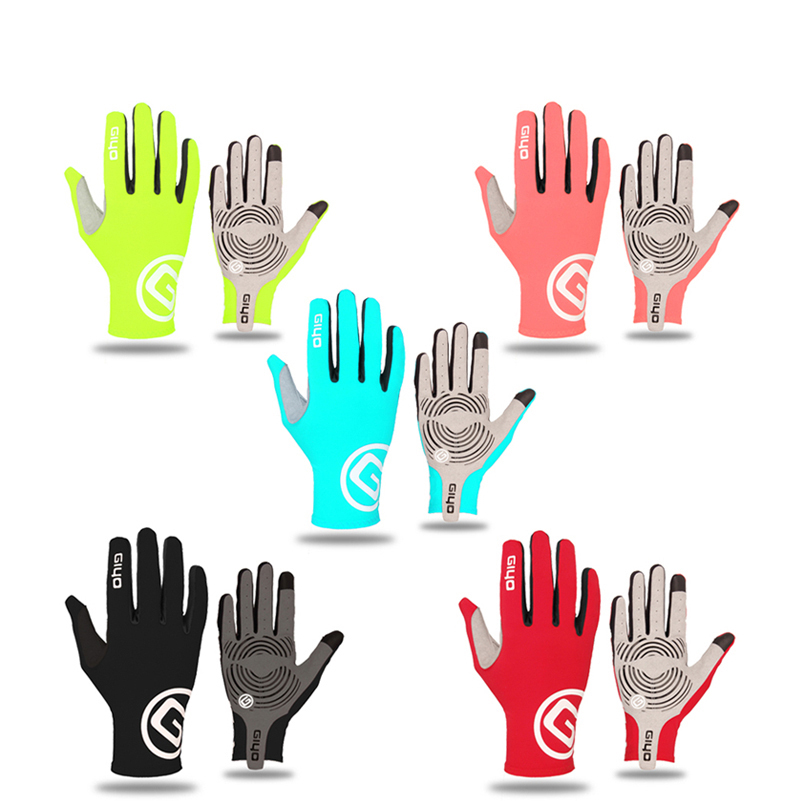
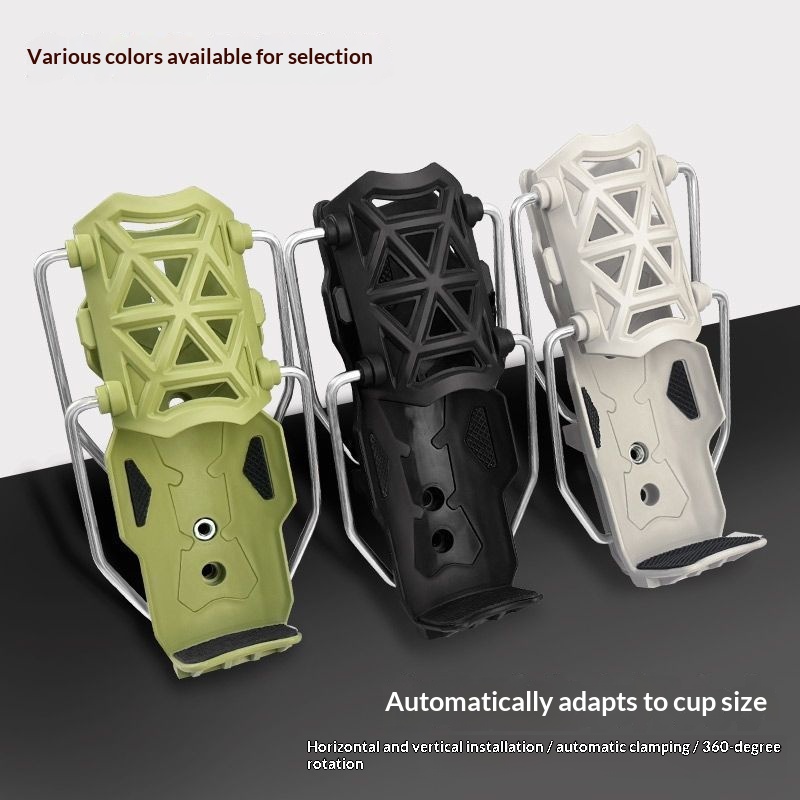
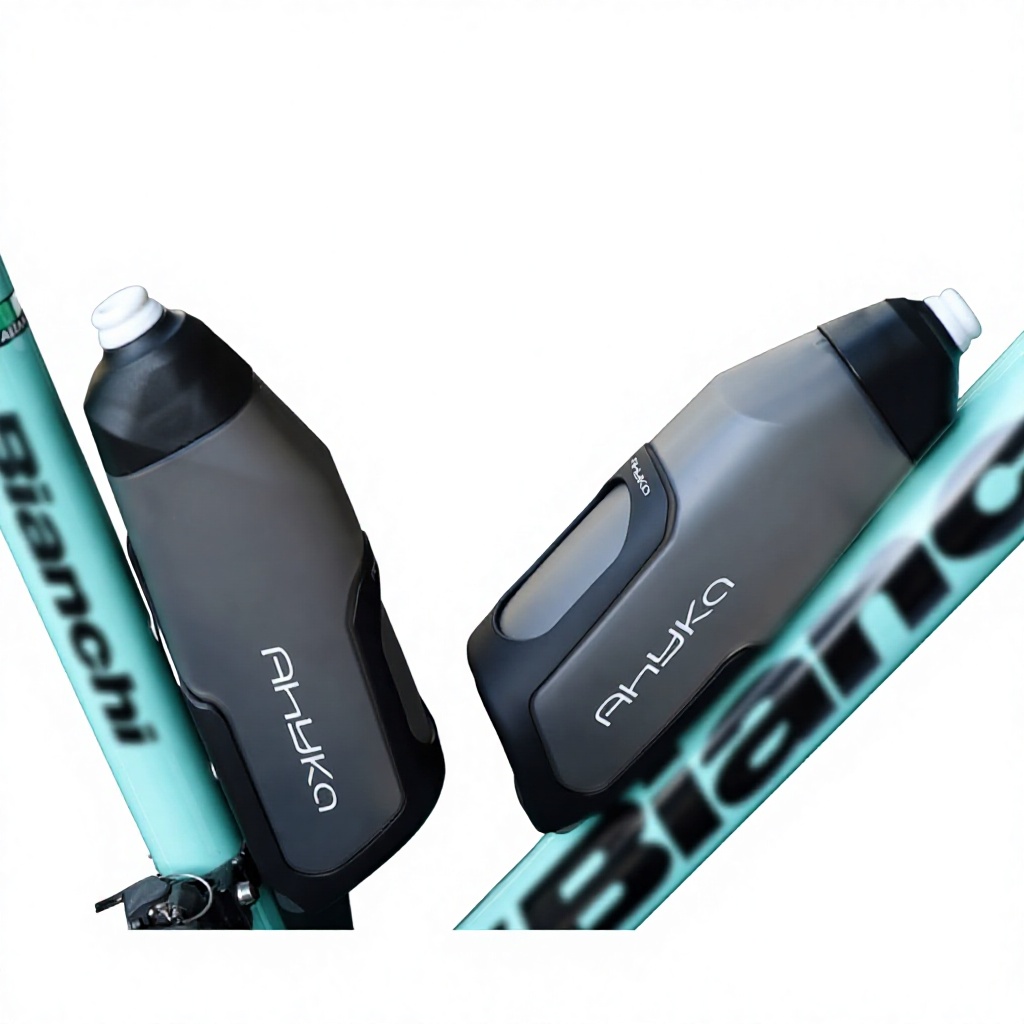
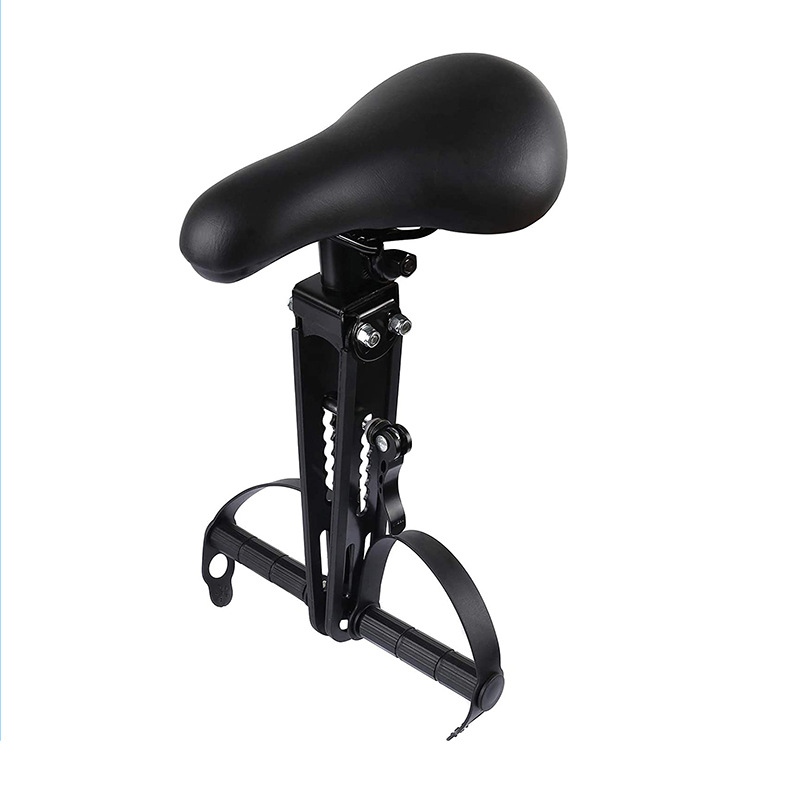
The global micro-mobility and e-bike sectors are experiencing an unprecedented surge, bringing an urgent operational requirement for advanced physical security. High-capital assets—such as cargo bikes, pedal-assist urban commuters, and long-range electric scooters—demand a paradigm shift away from passive mechanical padlocks toward sensor-integrated smart alarm locking systems. Professional procurement directors, volume distributors, and institutional fleet operators must look past cosmetic exterior housings to evaluate the underlying sensor arrays, circuit encasements, metallurgical integrity, and acoustic resonance of supplier offerings.
Modern bike alarm systems require a tri-layered defensive strategy: mechanical cut-and-torsion resistance, intelligent motion-trigger heuristics, and decentralized audible deterrence. Conventional locks without electronic integration suffer from a fatal operational flaw: they allow opportunistic thieves unmonitored dwell time to utilize high-speed hydraulic cutting shears or portable battery-powered angle grinders. An integrated, hardened alarm lock neutralizes this window by deploying 110 to 130 decibel multi-frequency piezoceramic sirens upon the detection of abnormal harmonic vibration, forced tilt, or shackle compromise.
| Evaluation Parameter | Tier-3 Commodity Lock | Industrial Grade Alarm Lock (OEM Benchmark) | Strategic Advantage for Importers |
|---|---|---|---|
| Acoustic Deterrence | 85–95 dB single tone, dampens when covered | 110–130 dB dual-resonance chamber; omnidirectional | Immediate public dispersal of thieves; zero sound deadening |
| Sensor Architecture | Basic spring-loaded mechanical switch | Tri-axis MEMS accelerometer with adaptive DSP filters | Zero false positives from wind, heavy rain, or urban traffic |
| Metallurgical Composition | Surface-case hardened low-carbon steel | 20Mn2 boron-alloy, induction-hardened ≥ 62 HRC | Withstands 12-ton hydraulic cut force and liquid nitrogen freeze |
| Ingress Protection | Unsealed seam, basic IP54 splash resistance | IP67/IP68 hermetic ultrasonic weld with PCB resin potting | Resists sub-zero winters, monsoon downpours, and road grit |
| Energy Management | Standard disposable alkaline cells (60-day life) | Rechargeable LiFePO4 or low-discharge lithium (6-12 mo.) | Reduces warranty RMA rates and enhances end-user reviews |
From an engineering perspective, false alarm mitigation remains the foundational differentiator separating commercial-grade alarm systems from cheap consumer novelties. Substandard manufacturers frequently utilize primitive vibration switches that discharge piercing audible tones during harmless ambient events, such as nearby heavy freight transit, blustery crosswinds, or accidental pedestrian nudges. Conversely, world-class exporters deploy advanced Digital Signal Processors (DSP) paired with three-axis MEMS sensors that analyze wave signatures via a two-stage logic gate: an initial acoustic warning beep upon micro-disturbance, followed by full siren discharge only if repeated continuous vector displacements or physical prying occurs within a rolling five-second window.
Key procurement methodologies and technical transformations driving volume buying decisions across Europe, North America, and high-density Asian metropolitan hubs.
Procurement pipelines are transitioning from standalone audible buzzers toward NB-IoT, LTE-M, and BLE mesh-enabled systems. Fleet management mandates instant API callbacks notifying centralized tracking dashboards of unauthorized asset manipulation, geofence breaches, and battery status.
With battery-powered angle grinders accounting for over 70% of high-end e-bike theft incidents globally, category leaders are incorporating composite ceramic coatings and sintered tungsten-carbide cladding directly into their lock shackle extrusions to shatter abrasive cutting discs.
Commercial cargo operations and bike-share systems are abandoning secondary independent coin cells. Next-generation alarm locks interface directly into the bicycle's 36V/48V main powertrain via step-down CAN bus harnesses, delivering uninterrupted security power without servicing downtime.
Keyless deployment trends have transitioned beyond unreliable smartphone application pairing toward IP68-sealed high-precision biometric capacitive fingerprint scanners capable of sub-0.5-second recognition across extreme temperatures (-20°C to 60°C).
Importers are mitigating escalating maritime container freight costs by sourcing security locks, companion hex tools, lightweight mini-pumps, and ergonomic cockpit assemblies from consolidated manufacturing clusters like Yiwu and Wenzhou under unified bills of lading.
Stricter Western European corporate environmental compliance mandates lead-free solder pastes, zero heavy-metal electrolytic dip plating, and fully recyclable thermal polyurethanes across every external structural sheath and cable sheath casing.
Why Tier-1 cycling brands, major European hardware distributors, and Amazon cross-border enterprises partner with our TÜV Rheinland-assessed manufacturing organization.
Our operations, spanning our dedicated production footprint in Wenzhou and Hebei and our 1,450 m² export headquarters in Yiwu, are fully certified via onsite physical inspection, confirming our operational capacity of $2.5M to $5M USD annually.
Every single production batch undergoes standardized finished-product inspection before packaging cartons are sealed, verifying steel hardness, salt spray corrosion resilience, and electronic alarm sensor responsiveness.
From precision fiber laser logo marking and Pantone-matched finishes to complete bespoke injection-molded casings and custom packaging (blister cards, branded boxes, display kits), we tailor products to your exact brand standards.
We provide full multi-currency flexibility (USD, EUR, HKD, CNY) and accommodate FOB, CIF, EXW, and DDP freight handling, allowing you to combine small trial batches (MOQ 1–10 units) with large customized sea shipments.
When screening top-tier global exporters and Chinese manufacturers of bike alarm locks, procurement auditing teams must avoid relying solely on catalog images. The following 10-point vendor capability matrix defines the baseline criteria used by leading European cycling collectives and global retail chains:
Clear, direct answers regarding production capacities, testing standards, customized OEM workflows, and international shipping protocols.
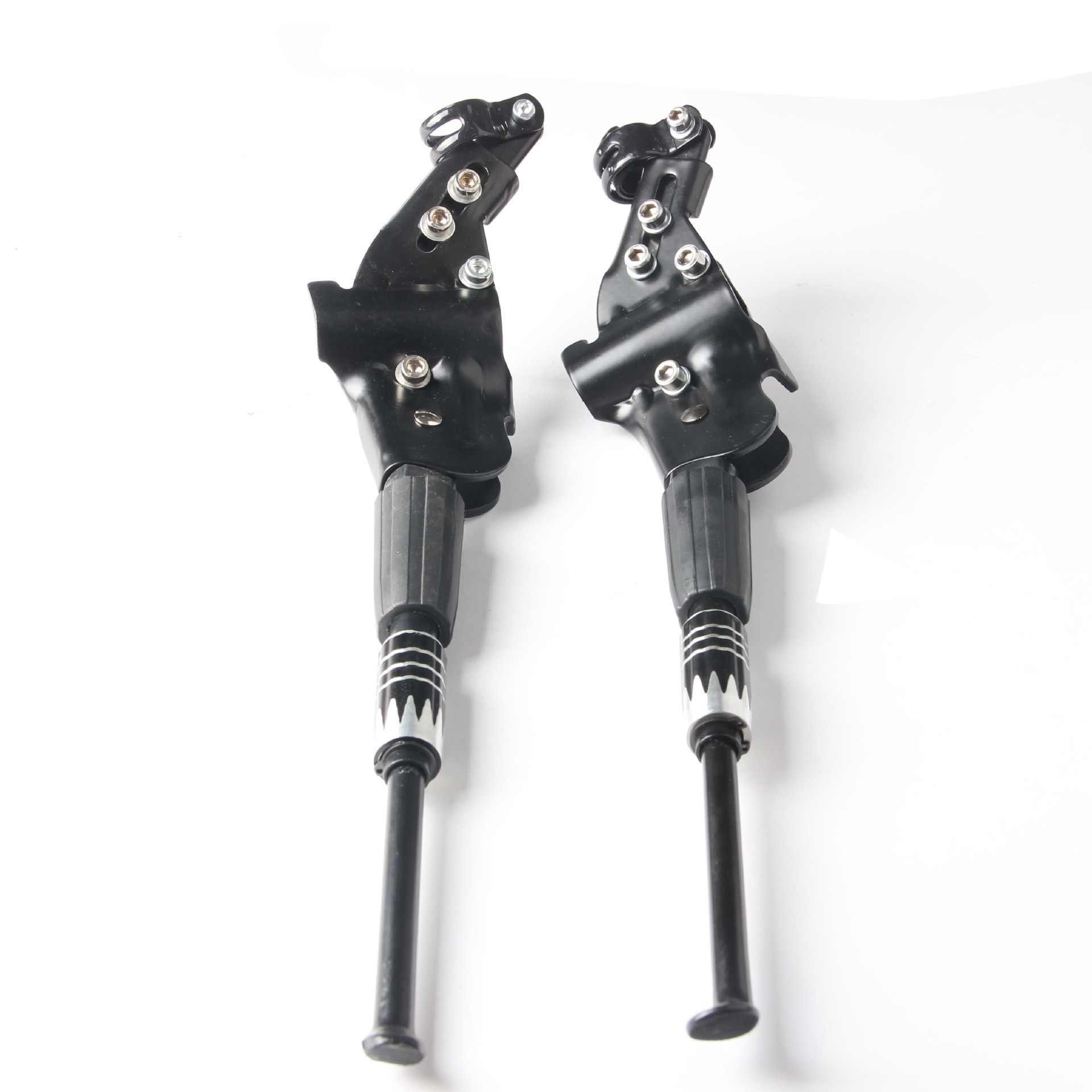
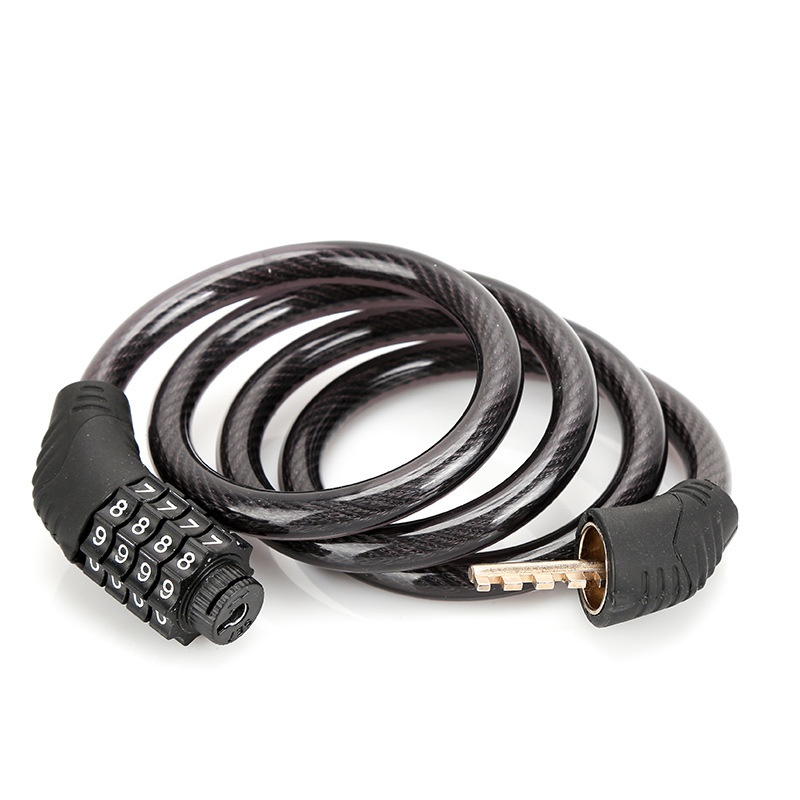
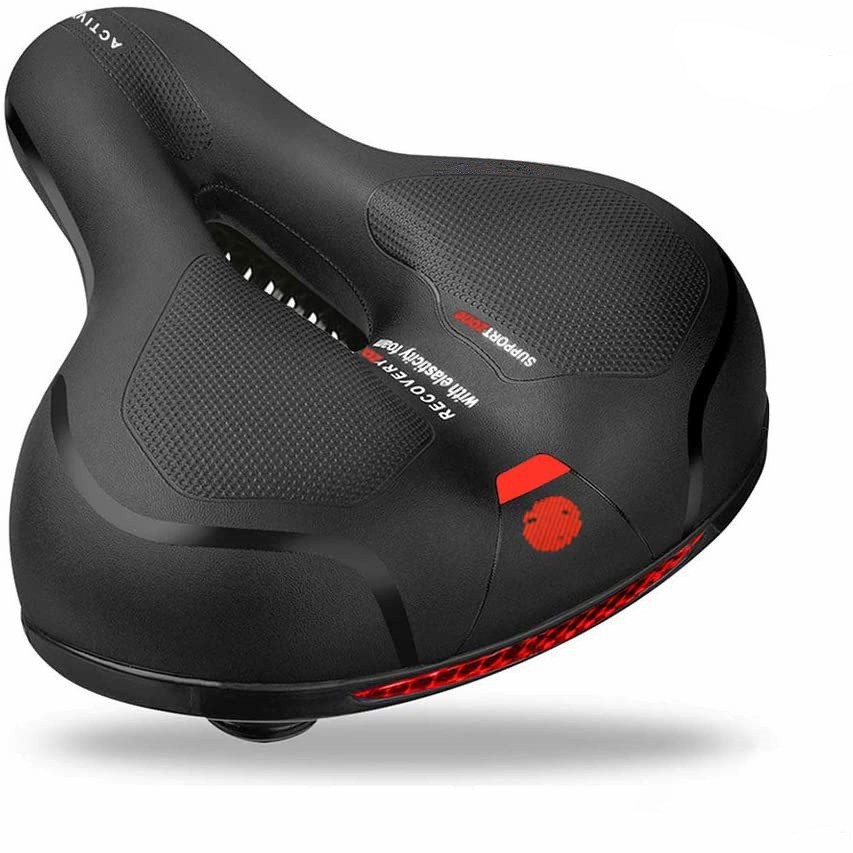
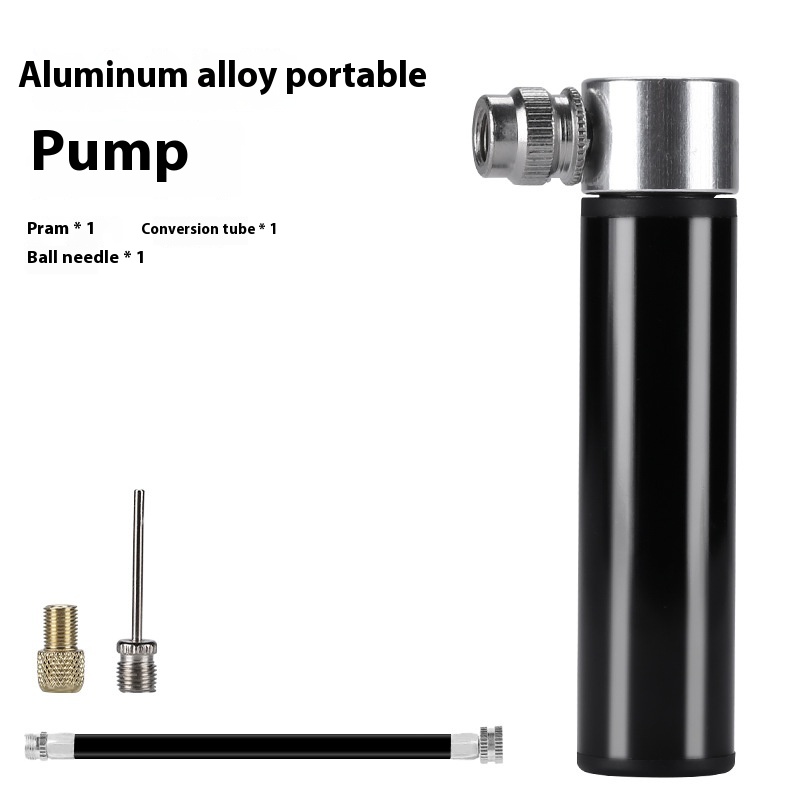
For catalog-standard, ready-to-ship products stocked in our Yiwu consolidation center (including cable locks, mini-pumps, multi-tools, and kickstands), our minimum order quantity starts at just 1 to 10 units per SKU, allowing rapid sampling and inventory testing. For customized OEM runs requiring laser logo marking or custom blister packaging, MOQs generally start at 100 to 500 units. Full ground-up ODM developments (such as custom structural lock castings or unique saddle ergonomics) typically commence at 500 to 1,000 units depending on mold parameters.
Our security hardware is engineered to IP67 and IP68 standards. All sensitive micro-electronic components, sensor arrays, and buzzer connections are encased in waterproof silicone or epoxy resin potting. External seams are sealed via precision ultrasonic plastic welding or custom-molded silicone gaskets, while metallic shackle cavities feature automatic drain ports that shed condensation and surface moisture, preventing freeze damage in sub-zero winter storage.
Yes. We utilize high-precision in-house industrial fiber laser marking stations. Unlike standard screen printing or vinyl transfers that peel, scratch, or corrode under outdoor riding conditions, our fiber laser etching vaporizes the surface metal or anodized layer to produce an ultra-permanent, wear-resistant, high-contrast logo mark. We also supply custom vector packaging, Pantone-matched hardware anodizing, and multi-language retail instruction booklets.
We operate across Western Europe, Eastern Europe, North America, South America, and Southeast Asia under FOB (Ningbo/Shanghai), CIF, EXW, and door-to-door DDP arrangements (customs clearance and inland freight fully settled). We accept wire payments in USD, EUR, HKD, and CNY via standard T/T telegraphic transfers, irrevocable L/C, credit cards, or Western Union for rapid sample release.
Our manufacturing facilities, floor layout, worker capabilities, and testing infrastructure are independently assessed onsite by TÜV Rheinland. We enforce strict internal Quality Control (QC) gates covering incoming raw material metallurgy, shackle tensile yield testing, acoustic decibel calibration, and mandatory 100% finished-product batch inspection before cartons are palletized. Buyers are always welcome to dispatch third-party inspection teams (e.g., SGS, Bureau Veritas) prior to bill of lading release.
Connect with our technical sales and industrial design engineering team to discuss wholesale price tiers, custom laser branding parameters, sample evaluations, and consolidate your container cargo under one roof.
Inquire Now