Engineered Cycling Gear & Essential Ride Accessories
Seamlessly integrate your pannier orders with high-turnover bike security, maintenance tools, and ergonomics. Sourced directly from our audited manufacturing plants and consolidated for mixed-container shipments.
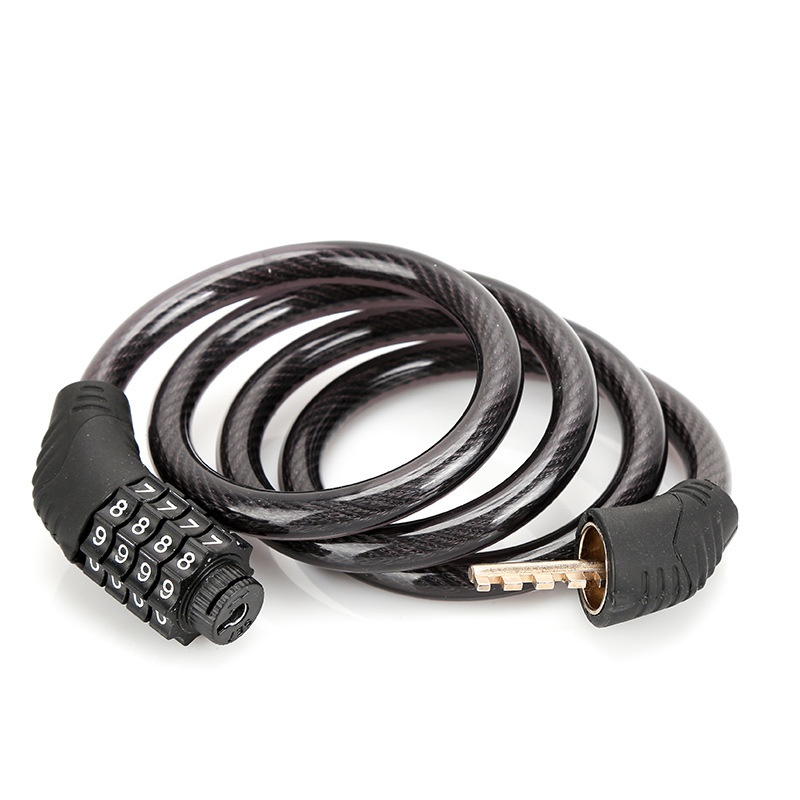
Jiuyue Portable Steel Cable Chain Lock Four-Position Combo 1M
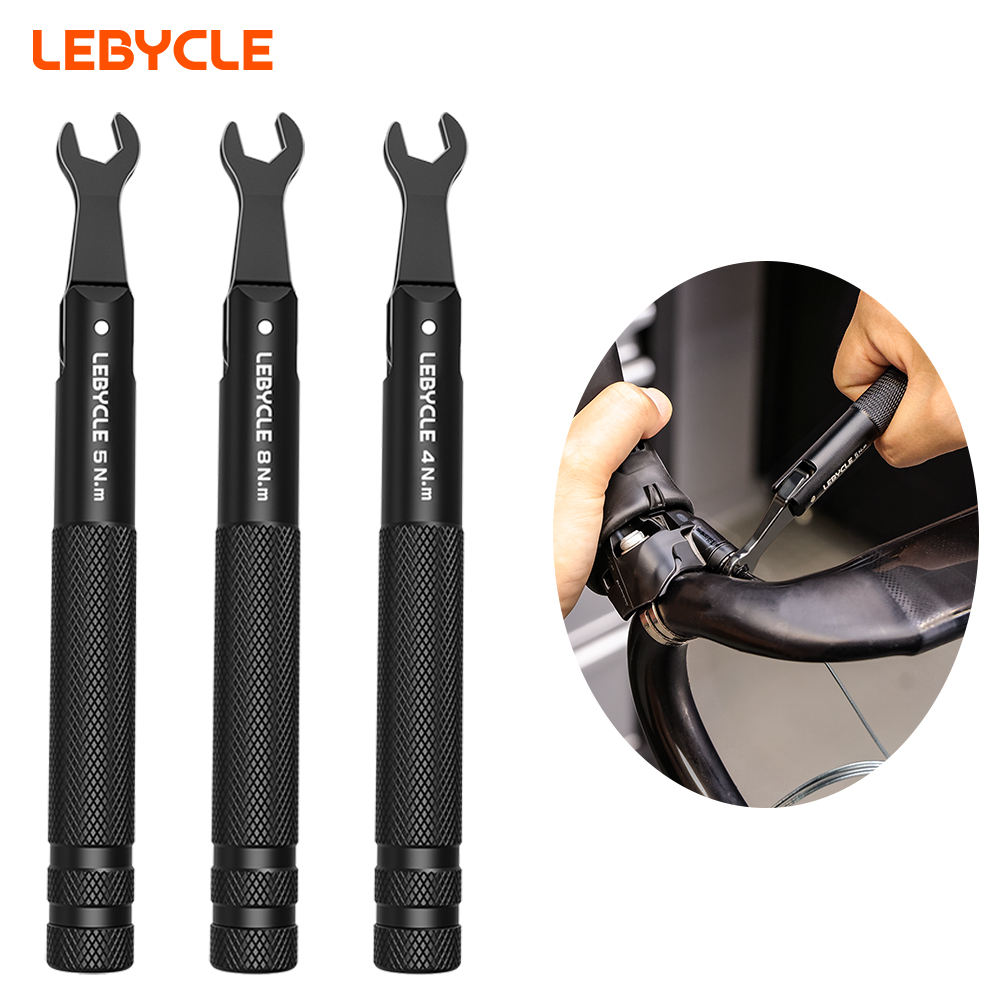
LEBYCLE Hydraulic Brake Hose Preset Torque Wrench Set
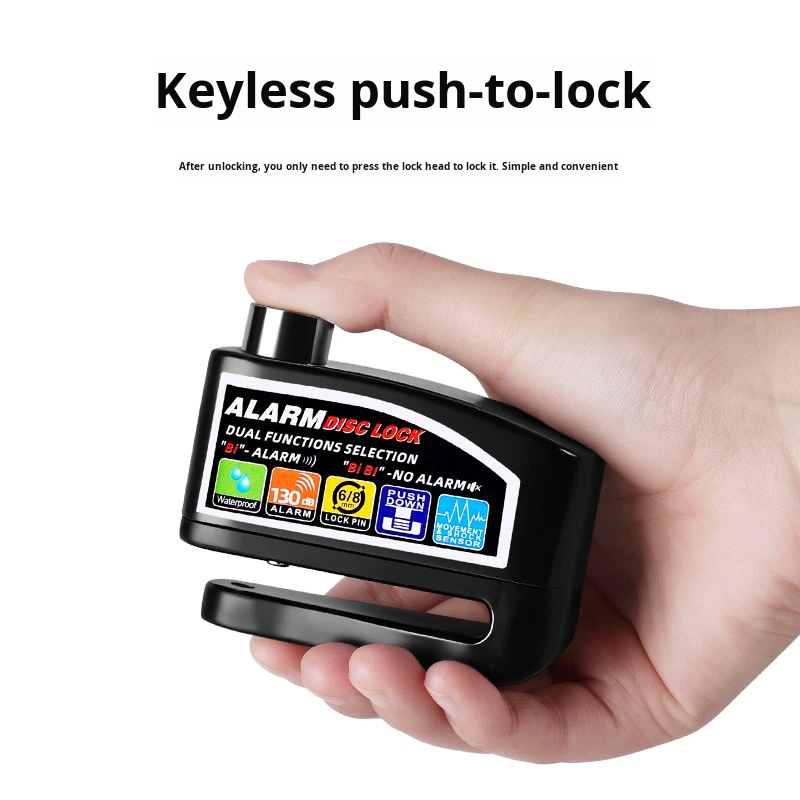
JIUYUE Aluminum High-Safety Disc Brake Lock with Motion Alarm
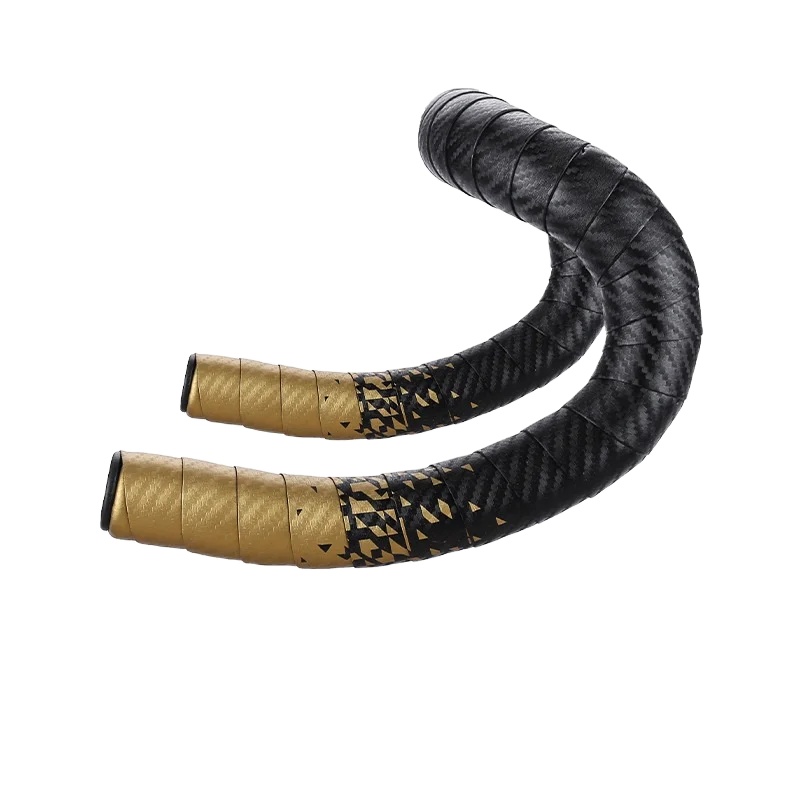
Anti-Vibration PU+EVA Road Racing Breathable Handlebar Tape
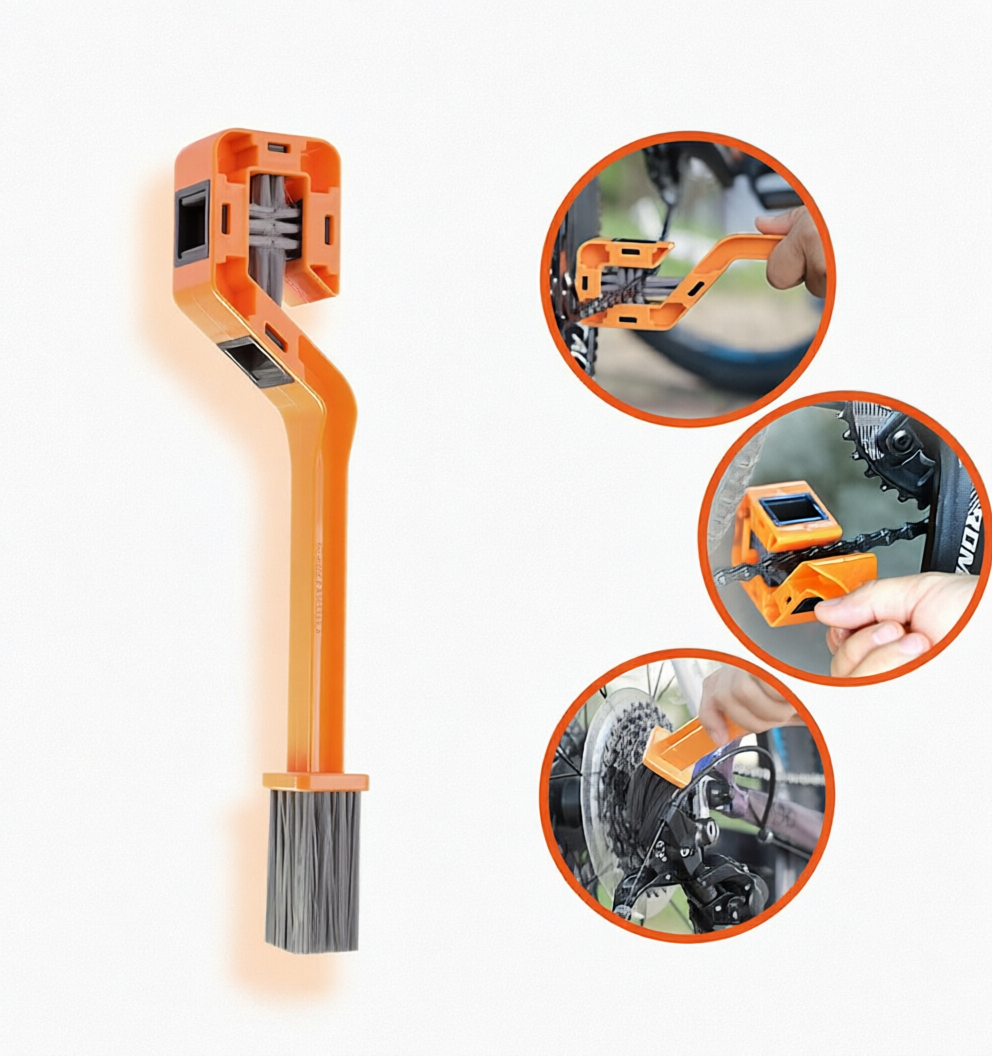
360-Degree Surround Dual-Head Bike Chain Cleaning Scrubber
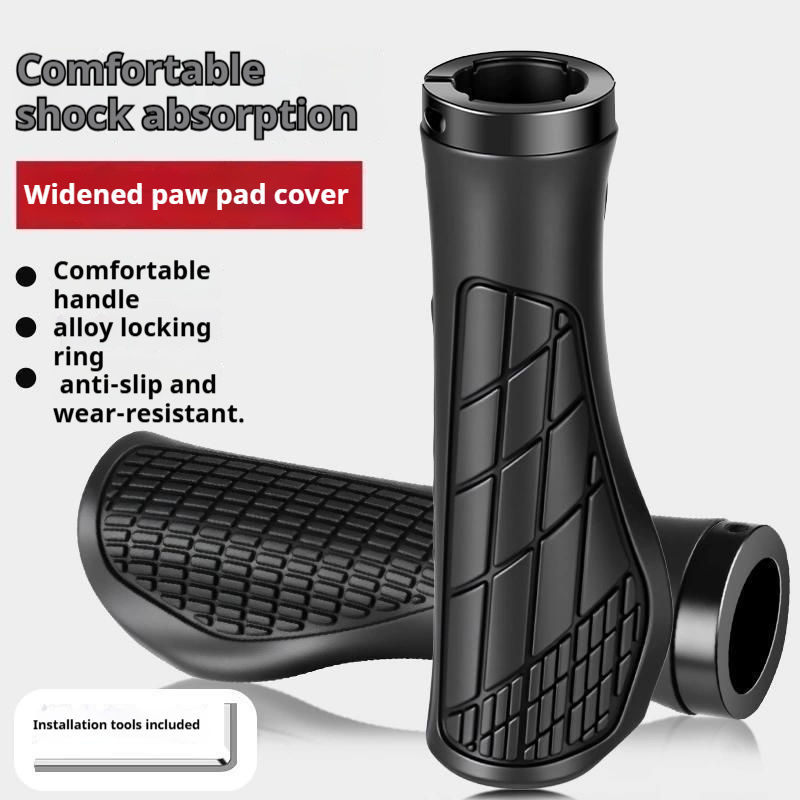
TPE+TPU Silicone Composite Shock-Absorption Bar Tape
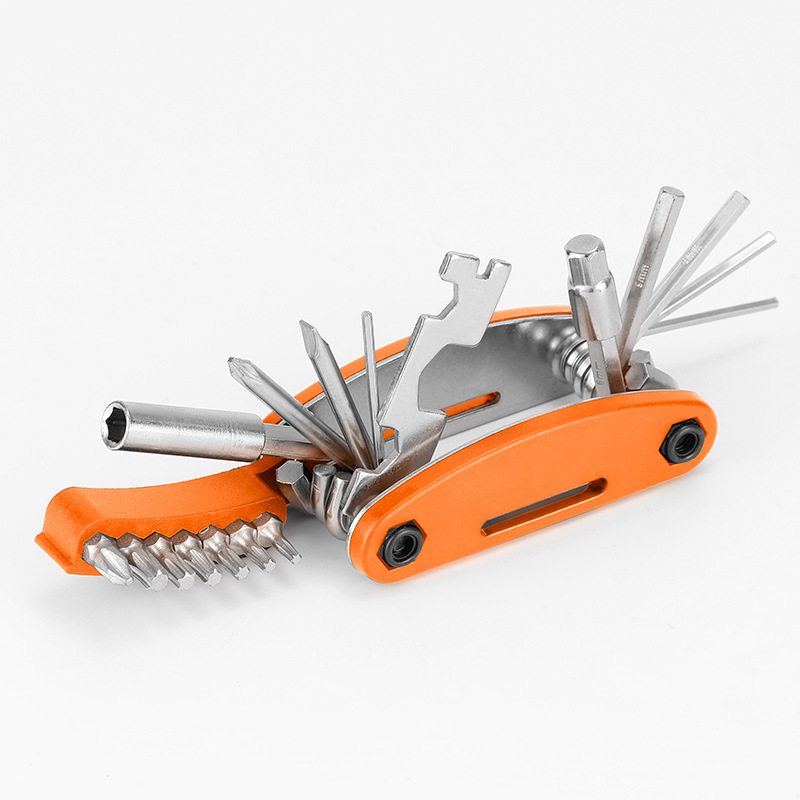
JOHORSE 21-in-1 Carbon Steel Foldable Repair Multi-Tool
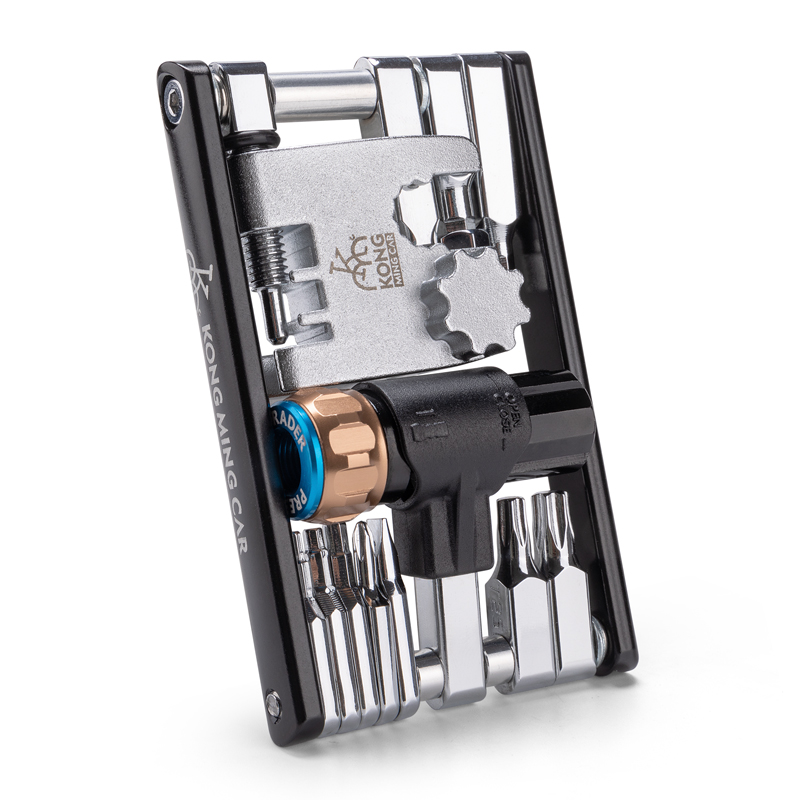
15-in-1 Multi-Tool with Integrated CNC CO2 Inflator Head
Industrial Whitepaper: Engineering High-Performance Bike Pannier Bags
In modern long-distance bicycle touring, urban cargo logistics, and off-grid bikepacking, the bicycle pannier bag has evolved from a basic fabric sack into a highly engineered technical cargo container. Today's global brands require equipment capable of withstanding dynamic vibrations, severe hydraulic pressure during rainstorms, ultraviolet degradation, and aggressive torsional loads imposed by modern gravel and electronic cargo bikes (e-bikes).
As a leading Chinese OEM/ODM manufacturing facility assessed onsite by TÜV Rheinland, Yiwu DOVU Outdoor Products Co., Ltd. combines advanced high-frequency ultrasonic welding technologies, reinforced composite backing plates, and modular mounting hardware to produce pannier systems that surpass European standard DIN EN ISO 11243 requirements. Our R&D team analyzes real-world failure points—ranging from rail shearing under sudden impact to micro-fissures in TPU coatings—delivering durable, export-ready gear tailored for demanding outdoor brands.
Core Technical Specifications & Material Options
Pannier longevity relies on the synergy between outer shell textiles, hermetic bonding techniques, and internal structural stiffness. We engineer each pannier batch around precise technical thresholds:
| Component / Metric | Standard Commercial Grade | DOVU Heavy-Duty Industrial Spec | Validation Protocol |
|---|---|---|---|
| Shell Material | 600D Polyester + PU Coating | 840D / 1000D TPU-Laminated Cordura Nylon | ASTM D1424 Tear Test (>180N) |
| Hydrostatic Head | 2,000 mm to 5,000 mm | ≥ 15,000 mm (IPX6 to IPX7 Submersible) | ISO 811 Hydrostatic Pressure |
| Seam Construction | Stitched Seams + Hot-Melt Tape | High-Frequency (RF) Ultrasonic Hermetic Weld | Zero Delamination @ -25°C to 65°C |
| Backing Plate Stiffness | Thin Hollow PP Sheet | Thermoformed Composite HDPE (2.5mm - 3.2mm) | High-Frequency Vibration Rig (50kg load) |
| Mounting Hardware | Fixed Plastic J-Hooks | 360° Tool-Free Quick-Release with Reducing Bushings | Dynamic Drop Impact Test from 1.2m |
Ultrasonic RF Welding vs. Stitched Construction
Traditional sewn manufacturing introduces needle perforations into technical fabrics. Even when heat-applied seam sealing tapes are applied internally, recurrent flexing against bike racks eventually degrades adhesive integrity, leading to water ingress along seam junctions. Our factory utilizes computerized High-Frequency (Radio Frequency) Welding Machines. By passing electromagnetic energy directly through the polyurethane (TPU) or polyvinyl chloride (PVC) molecules, the material melts and fuses together at the molecular level. This creates a homogeneous, impermeable seam that exhibits superior tensile strength compared to the base textile itself, eliminating the risk of puncture leaks.
- Hermetic IPX6 waterproof rating preventing water ingress in torrential weather
- Cold-crack resistance verified down to -30°C for winter mountain riding
- UV-stabilized pigment coatings protecting against prolonged sunlight bleaching
- Chemical resistance against chain grease, road salts, and dirt splatter
Future Procurement & Engineering Trends (2025–2030)
B2B category buyers, outdoor product managers, and supply chain directors must adapt to rapid technological shifts in urban mobility and micromobility infrastructure.
E-Bike & Cargo Rack Compatibility
With electric bikes achieving heavier load distributions and higher sustained commuting velocities, standard pannier clips are no longer sufficient. Modern procurement programs require rack mounting systems that adapt to oversized rear battery racks (16mm to 20mm tubing) equipped with quick-locking anti-bounce catches to prevent pannier ejection on rough asphalt.
Circular Materials & Recycled TPU (rTPU)
European environmental mandates (including EPR schemes and strict REACH compliance) are driving global importers toward certified post-consumer recycled fabrics. Our factory integrates GRS-certified (Global Recycled Standard) rPET and bio-based TPU films, delivering carbon-reduced product lines without sacrificing abrasion resistance or weld strength.
Integrated Visibility & Smart Security
Safety is the primary purchasing trigger for commuter consumers. Modern ODM pannier designs feature high-candlepower retroreflective wide-angle panels, custom mounting brackets for auxiliary brake lights, and internal hidden sleeves designed specifically for anti-theft GPS locators (such as Apple AirTag and Tile trackers).
Why Leading Brands Partner with DOVU
Operating beyond standard trading constraints, we offer direct factory accountability, specialized in-house branding, and consolidated supply chain management in Yiwu and regional industrial hubs.

TÜV Rheinland Onsite Assessed Enterprise
Our 1,450 m² facility, operational workforce, automated production lines, and quality verification workflows are independently verified on-site.
In-House Fiber Laser & Custom Branding
We provide comprehensive brand personalization: permanent CNC laser marking on metal buckles and tool accessories, high-definition screen printing, reflective heat transfer, and embossed rubberized logo badges designed to survive extreme weather exposure.
End-to-End Quality Inspection Protocols
Zero-defect commitments backed by systematic procedures: initial fabric burst testing, weld seam peel-resistance checking, continuous 72-hour salt-spray corrosion tests on all metallic hardware, and finished-product waterproofing chamber inspections prior to packing.
Mixed-SKU Consolidation & Flexible Terms
Our Yiwu logistics hub consolidates pannier bags with our complete line of bicycle tools, pedals, high-lumen headlights, locks, and gloves. We support trial sampling with low MOQs and offer global trade terms including FOB, CIF, EXW, and DDP with door-to-door customs clearance.
Frequently Asked Questions for B2B Importers
Practical answers covering MOQs, prototyping timelines, testing standards, and container packing logistics for procurement teams.
What is the typical MOQ for custom OEM bike pannier bags?
For standard in-stock fabrics and existing hardware molds, our minimum order quantity starts from 300 to 500 units per colorway. Fully customized ODM projects requiring custom injection molds for mounting rails or custom-dyed Pantone textiles generally require an initial run of 1,000 units.
How do you verify waterproof reliability on mass-produced orders?
Every production batch undergoes randomized hydrostatic pressure testing up to 15,000mm water column standards. Furthermore, completed roll-top pannier bags undergo random 30-minute high-pressure water spray chamber tests to verify that RF-welded seams and corner joints are 100% leak-proof.
Can we consolidate pannier bags with bike tools and accessories in one container?
Yes. That is a core logistical benefit of DOVU. Our 1,450 m² Yiwu consolidation warehouse allows you to bundle custom pannier bags alongside our multi-tools, chain scrubbers, disc brake locks, pedals, and bar tapes in a single FOB/CIF/DDP container, optimizing your import freight costs.
What is the lead time for prototype development and mass manufacturing?
Design validation and physical prototyping usually require 7 to 12 business days depending on technical complexity. Once prototypes and artwork approvals are finalized, mass production typically completes within 30 to 40 days, with priority expediting available for seasonal reorders.
Are your products compliant with EU REACH, RoHS, and US Prop 65 regulations?
Yes. All raw fabrics, PVC/TPU coatings, plastic clips, and hardware treatments are sourced from certified suppliers to guarantee total compliance with strict chemical thresholds, including non-phthalate plasticizers, low PAHs, and heavy-metal-free finishes demanded across Western markets.
Build Your Private-Label Pannier & Gear Range Today
From initial design sketches and 3D mockups to high-frequency welded production and full export container logistics, our engineering team is ready to scale your cycling accessory portfolio.