Featured Bicycle Accessories & Riding Hardware
Consolidated factory-direct supply covering cycling cockpit electronics, maintenance kits, anti-theft systems, and frame utilities. All SKUs support private-label laser marking, custom retail packaging, and combined container loading.
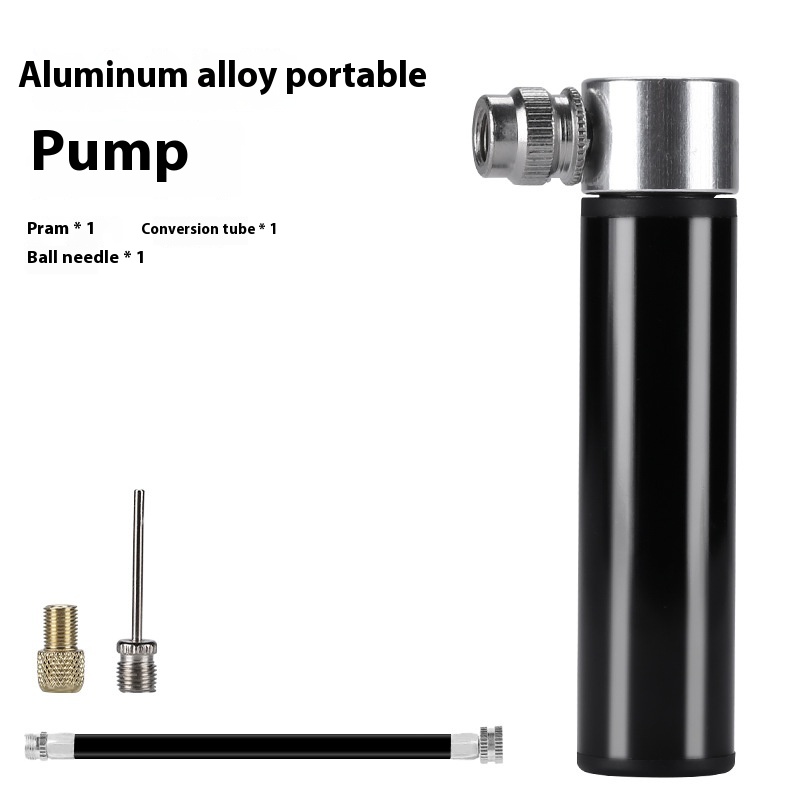
JiuYue JY-h10 Mountain Bike Aluminum Alloy Mini Portable Pump Schrader Valve Universal Handheld Lightweight 120psi
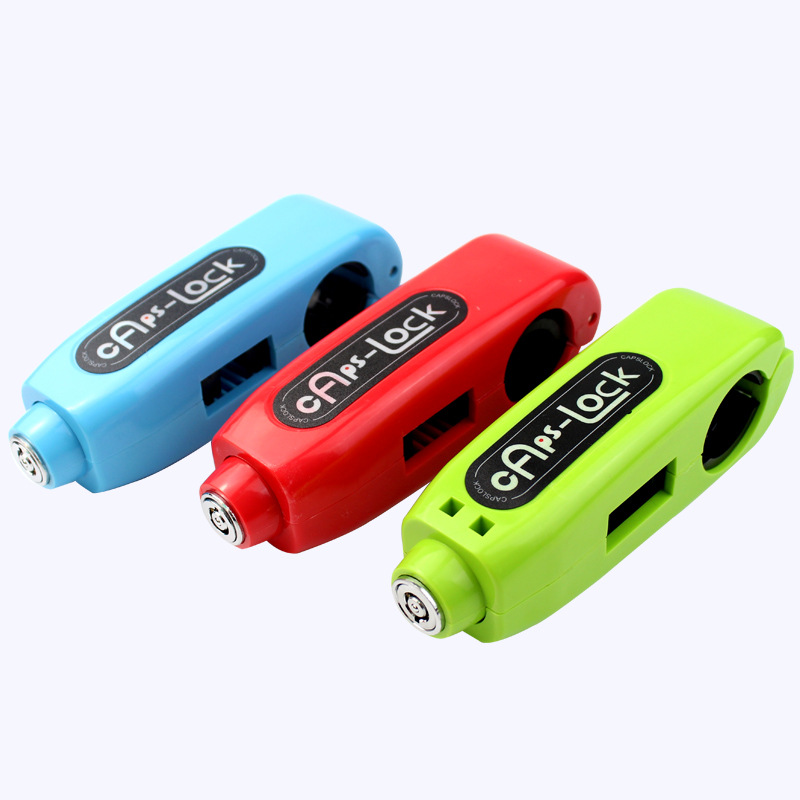
Durable ABS Motorcycle Anti-Theft Handlebar Lock Oil Door Lock Brake Disc Lock Brake Lever Lock (for Scooters/Electric Bicycles)
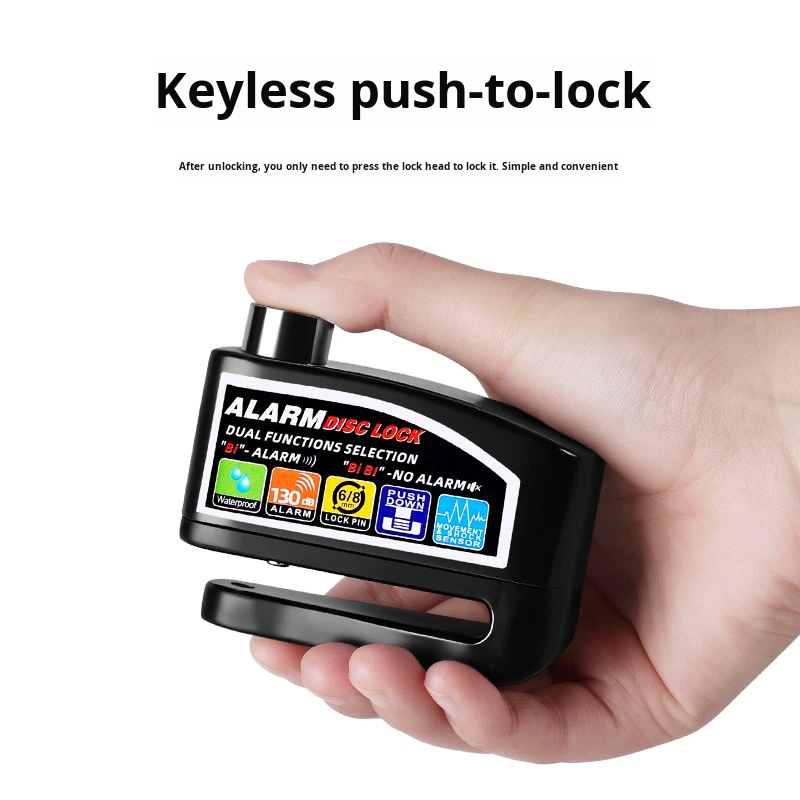
JIUYUE September Yueyue Durable Aluminum Alloy High-Safety Disc Brake Lock Alarm Anti-Theft Motorcycle
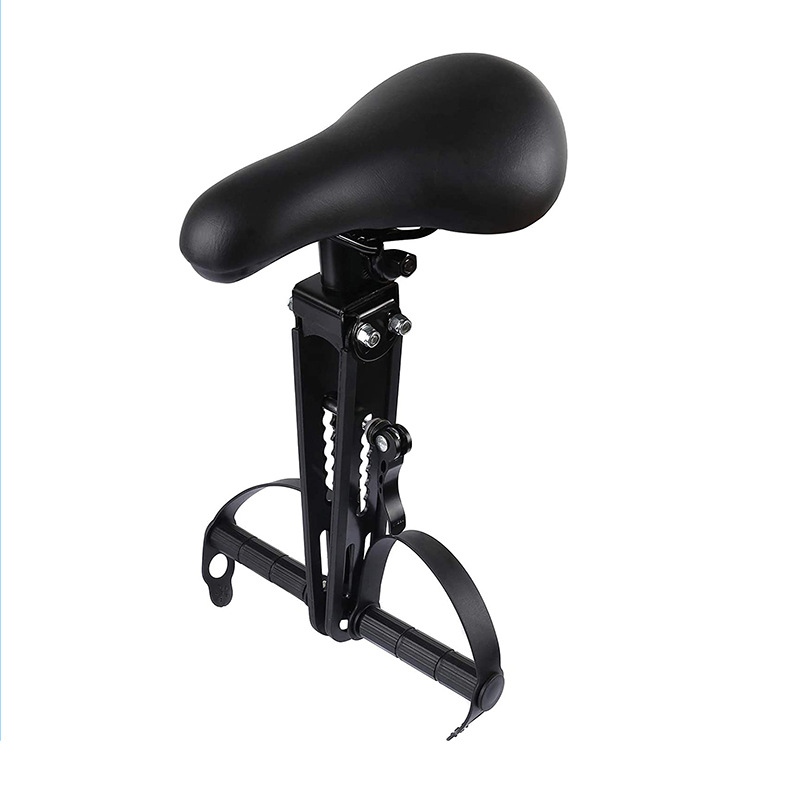
Kids Mountain Bike Saddle and Child Front Seat Removable Simple Design Ventilation Function Bicycle Accessories
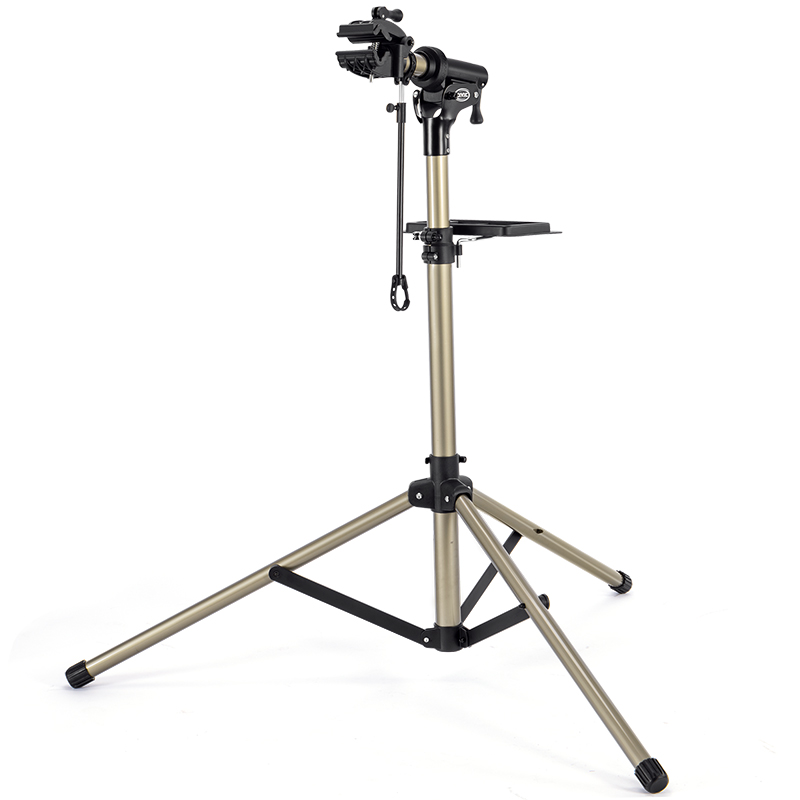
Max Load 40kg Aluminum Alloy Bike Repair Stand with 360 Rotatable Clamp Home Portable Four Feet Bike Stand
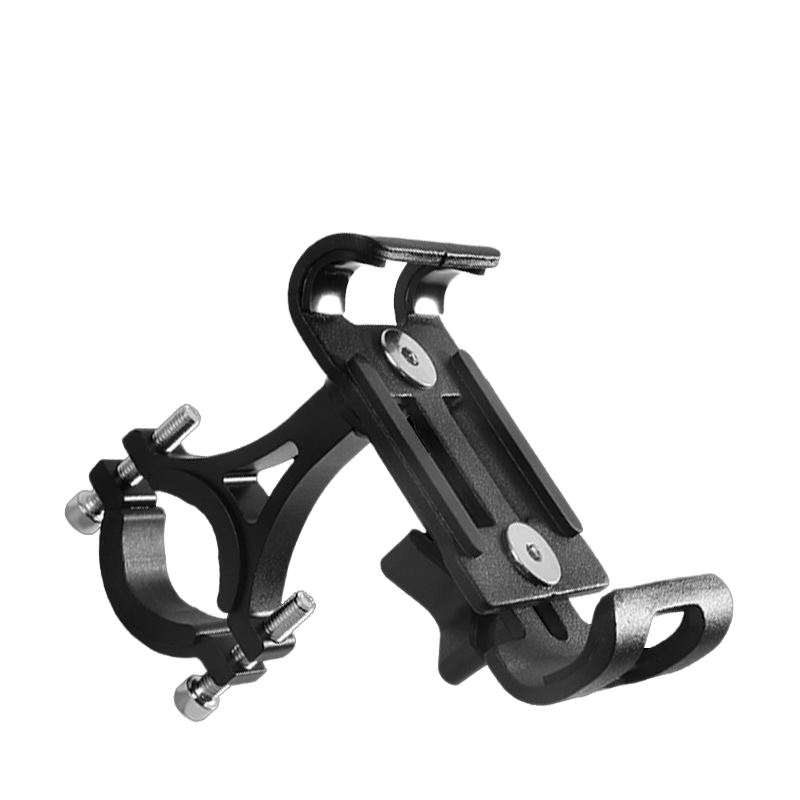
Universal Durable Waterproof Aluminum Alloy Portable Motorcycle Bicycle Road Bicycle Mobile Phone GPS Bracket
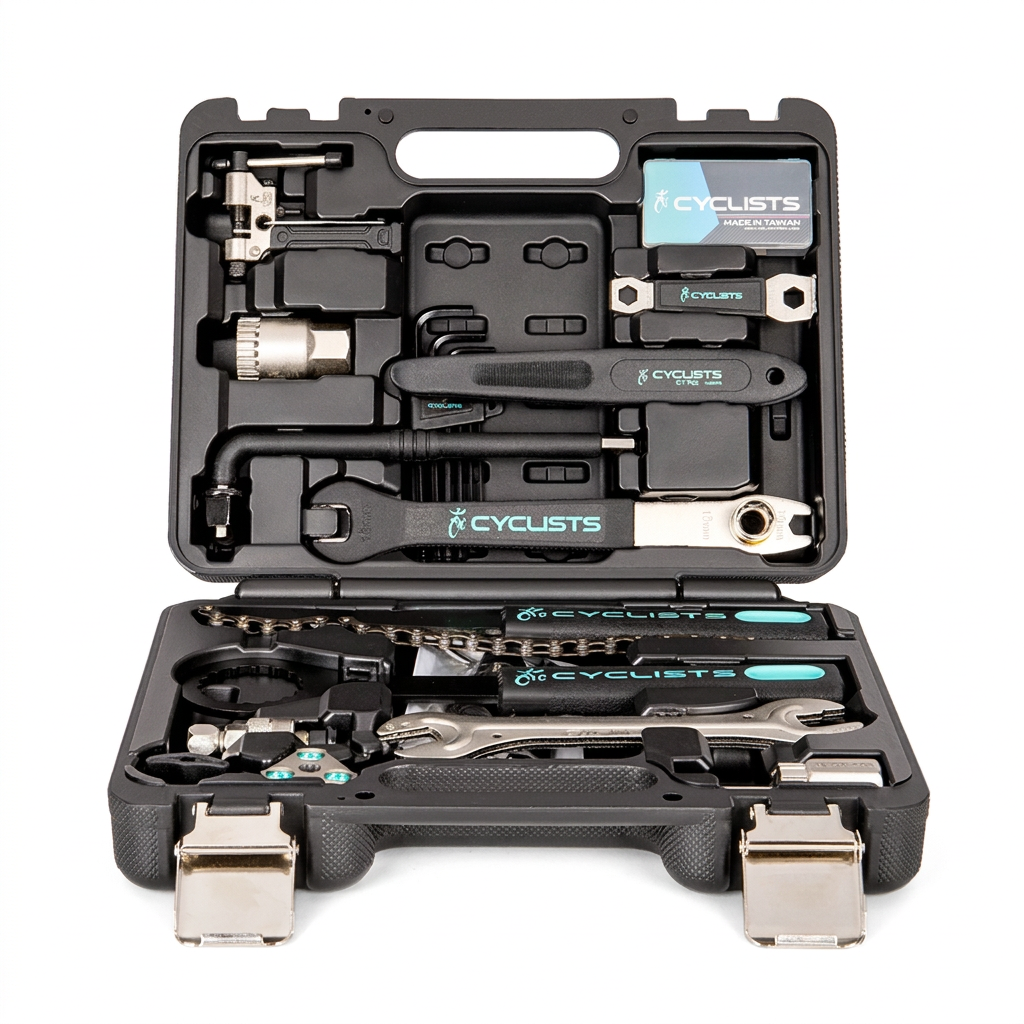
18 in 1 Bicycle Repair Tool Kit Bike Maintenance Tool Set Alloy Steel Tools with Storage Case
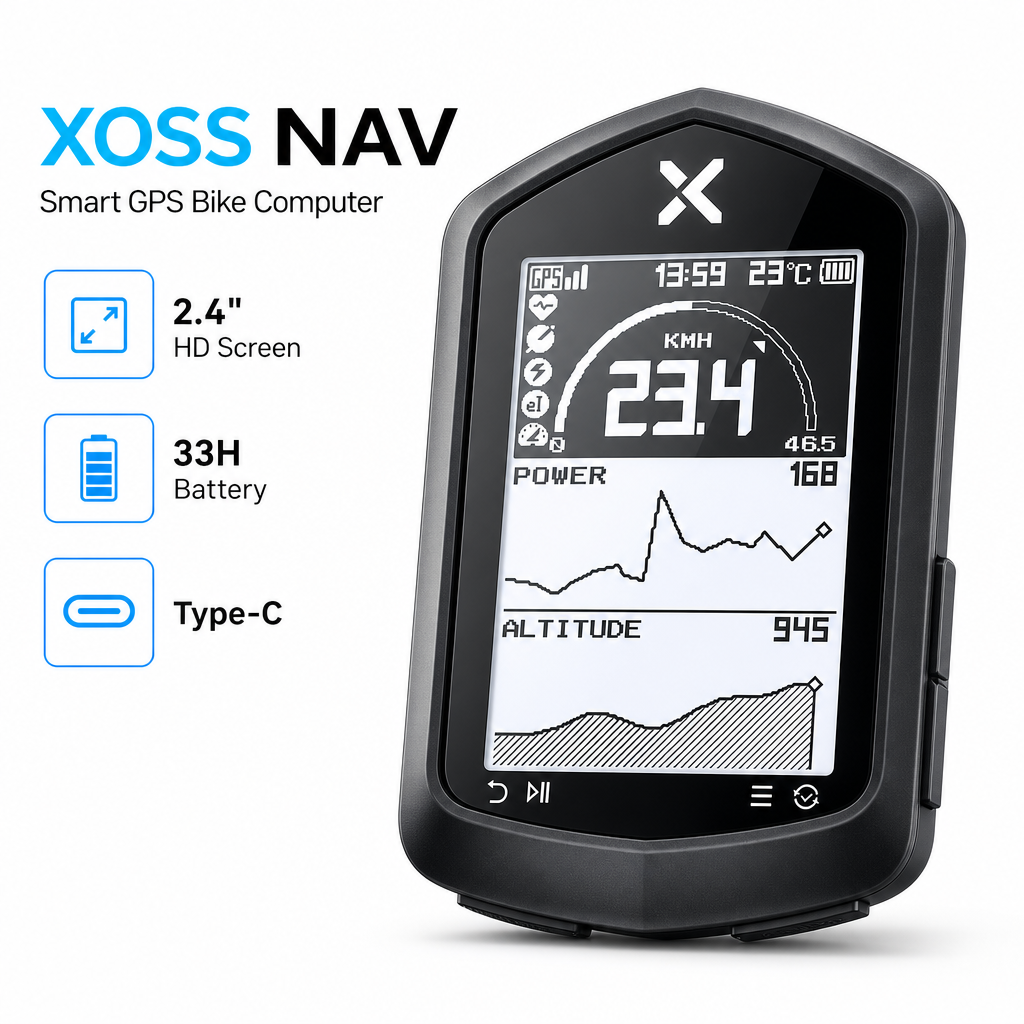
XOSS NAV Wireless Bike GPS Computer 4-Satellite Positioning Offline Route Navigation 1000H Storage Rechargeable Cycling Speedo
Global Sourcing Dynamics for Bicycle Top Tube & Frame Bags
An engineering, procurement, and commercial guide examining how modern cycling disciplines—gravel expeditions, endurance racing, and urban micro-mobility—have transformed cockpit luggage into high-margin, technically demanding merchandise.
1. The Structural Evolution of Cockpit Storage
In the commercial bicycle luggage category, the top tube bag—frequently referenced as the "bento box" or fuel pod—has evolved from an auxiliary triathlon storage accessory into one of the most commercially critical accessories across gravel, road touring, and electric commuting bikes. Mounted directly behind the handlebar stem, top tube bags inhabit an aerodynamic sweet spot where air resistance is mitigated by the headtube profile, while allowing the cyclist unobstructed, one-handed access to energy gels, navigation devices, satellite trackers, or backup power banks during continuous motion.
For global brand managers, regional bicycle distributors, and Amazon FBA enterprise merchants, top tube bags offer unique inventory advantages. Unlike bicycle panniers or front basket systems that demand dedicated eyelets, rear racks, or specific fork architecture, modern top tube bags utilize universal strap arrays or standardized bolt-on mounting patterns (64mm center-to-center spacing matching bottle cage bosses). This provides near-universal bike compatibility across carbon fiber, aluminum, titanium, and steel frames, lowering customer return rates and minimizing SKU fragmentation across distributor networks.
B2B Inventory Insight: According to international cycling market telemetry, top tube bags represent an estimated 28% of all bikepacking luggage replacement cycles. Because they are exposed to continuous sweat dripping, direct sunlight ultraviolet radiation, knee brushing, and driving rain, consumers replace cockpit bags twice as frequently as saddle packs, creating sustained aftermarket retail velocity.
2. Advanced Material Science: TPU Lamination vs. Conventional PVC Coating
In past production decades, low-cost bicycle bags relied heavily on polyester fabrics backed with thick Polyvinyl Chloride (PVC) coatings, assembled through traditional needle stitching and basic seam-sealing tapes. For international B2B importers operating in Western Europe (EU REACH compliance) and North America (California Proposition 65), PVC represents significant regulatory risks due to phthalates and toxic plasticizers. Furthermore, traditional stitched seams create needle punctures that eventually delaminate or leak under sustained hydrostatic pressure.
As a verified Chinese manufacturer and specialized exporter, DOVU has led the production transition to 420D, 600D, and 840D high-density nylon and recycled PET cordura fabrics laminated with dual-sided Thermoplastic Polyurethane (TPU). Rather than sewing panels together with thread, we implement High-Frequency (Radio Frequency) Ultrasonic Welded Construction. High-frequency electromagnetic energy excites the polymer molecules along the seam boundary, melting and fusing the fabric edges together at a molecular level. This creates a solid, hermetic bond that is entirely impervious to water ingress, achieving verified IPX6 and IPX7 submersion ratings.
Seamless RF Welding
Ultrasonic electromagnetic fusion eliminates needle puncture holes, producing leak-proof, tear-resistant seams engineered to withstand extreme mountain gravel vibrations.
Internal EVA Shell
Thermoformed high-density EVA foam skeletal inserts ensure the bag maintains aerodynamic contour and rigid structure even when partially emptied by the rider.
Cable Egress Ports
Weatherproof silicone cable pass-through channels permit simultaneous power bank operation inside the bag to power cockpit lights, phones, or GPS units.
Hypalon Frame Shields
Reinforced Hypalon non-slip friction contact patches safeguard painted gloss and matte carbon top tubes from micro-abrasions during aggressive off-road riding.
Top Tube Bag Configurations: B2B Sourcing Specification Matrix
Evaluating structural geometries, fastener mechanisms, and ingress protection standards to help cycling brands build balanced, profitable retail assortments.
| Architecture Type | Target Rider Demographics | Core Materials & Construction | Fastening Interface | Primary Merchandising Advantage |
|---|---|---|---|---|
| Direct-Mount Bolt-On Bag | Gravel racers, endurance road cyclists, premium carbon frame owners | 600D Cordura TPU laminated with internal HDPE stiffener spine | Dual M5 countersunk bolts (64mm center-to-center pitch) | Zero frame chafing, maximum aerodynamic stability, clean minimalist cockpit appearance |
| Tri-Strap Universal Cockpit Bag | Recreational mountain bikers, daily commuters, touring cyclotourists | 420D Diamond-Ripstop Nylon with PU 3000mm water barrier | Hypalon cam-buckle or silicone-coated hook-and-loop straps | 100% universal compatibility across non-braze-on frames; low price point for mass distribution |
| Touchscreen Phone Cockpit Pod | Urban delivery couriers, recreational navigators, leisure e-bike riders | Thermoformed EVA hard shell encased in 900D waterproof Oxford | 0.3mm ultra-sensitive optical TPU transparent visor film | Enables continuous map viewing, face-ID biometric unlocking, and integrated sun visor shading |
| Magnetic Flip-Top Aerodynamic Bag | Triathletes, Ultra-distance endurance audax riders | Seamless high-frequency welded 840D nylon with dual-sided TPU | Self-seeking neodymium magnetic flap closure (zipperless) | Single-handed instant access at 35+ km/h without wrestling frozen or muddy zipper sliders |
Future Procurement & Product Development Trends (2025–2030)
Commercial buyers and distributor procurement officers must anticipate accelerating design shifts to protect margin yields. Over the next five-year cycle, the bicycle top tube bag category is being reshaped by three transformative market drivers:
Circular Recycled PET Fabrics
European and Scandinavian retail chains are aggressively penalizing virgin synthetics. Enterprise sourcing demands Ocean-Bound plastic and GRS-certified (Global Recycled Standard) 100% recycled rPET yarn laminates, coupled with fluorine-free PFC-free DWR (Durable Water Repellent) hydrophobic top finishes that maintain water contact angles greater than 110 degrees.
E-Bike Headset Internal Cable Integration
Modern performance gravel and road frames route hydraulic brake hoses and shift wires directly through the upper headset cup (e.g., FSA ACR or Deda DCR standards). Top tube bags must adopt narrower front tapers (under 42mm at the stem interface) to avoid pinch interference with integrated computer mounts and integrated bar-stem combos.
Direct-Mount Frame Recesses
Progressive frame builders are now designing countersunk top-tube cavities that allow bags to sit flush with the frame line, minimizing drag coefficients in aerodynamic wind tunnels. This requires bag manufacturers to hold rigid dimensional tolerances (±0.8mm) along baseplates to avoid frame interference.
Bicycle Bag Importer & Wholesaler FAQ
Direct answers to commercial, compliance, and production questions commonly raised by B2B supply chain managers, bike store chains, and outdoor brands.
Why Global Cycling Brands Source with DOVU
Yiwu DOVU Outdoor Products Co., Ltd. operates as a verified manufacturer and direct exporter with specialized manufacturing facilities in Wenzhou and Hebei, supported by audited partner facilities in Guangdong and centralized international consolidation operations in Yiwu, Zhejiang.
With more than 6 years of specialized cycling engineering experience and an annual trade volume ranging between US$2.5 Million and US$5.0 Million, we bridge the gap between Chinese supply chain cost efficiencies and stringent Western quality standards. From rapid 3D prototyping and in-house fiber laser marking to certified third-party facility audits, we provide distributors with predictable, auditable manufacturing execution.
-
In-House Fiber Laser Marking: High-definition logo engraving directly applied to metal components, zipper pulls, and anodized hardware with abrasion resistance.
-
Complete Multi-Tier Customization: Supporting minor logo adaptations, sample-based reverse engineering, CAD drawing development, and full bespoke ODM product lines.
-
Centralized Consolidation Hub: Combine bags, tire repair tools, multi-wrenches, pumps, and bike stands in one consolidated container to cut freight overheads.
-
Rigorous Finished-Product Inspection: Every shipment batch is systematically sampled and inspected for stitch density, weld uniformity, zipper cycle life, and packaging integrity.
Accelerate Your Bicycle Bag & Accessory Procurement
Whether you require sample evaluations for an upcoming seasonal range, bespoke OEM branding on RF-welded top tube bags, or a mixed container quote across our cycling catalog, our B2B export team provides rapid quotations within 12 business hours.
Send an Inquiry