Maintenance
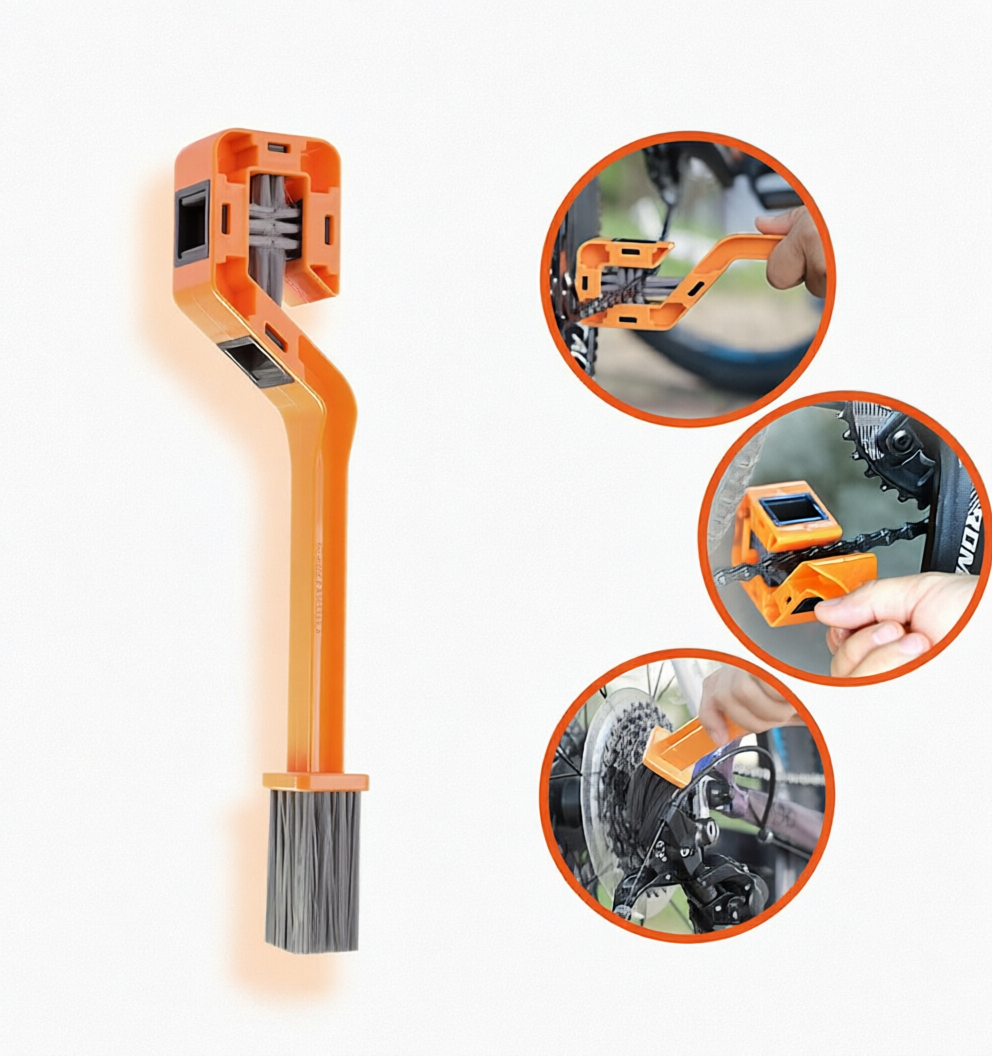
Direct supply arrangements with documented batch control, laser marking capabilities, and mixed-SKU consolidated shipping from our primary Zhejiang consolidation center.
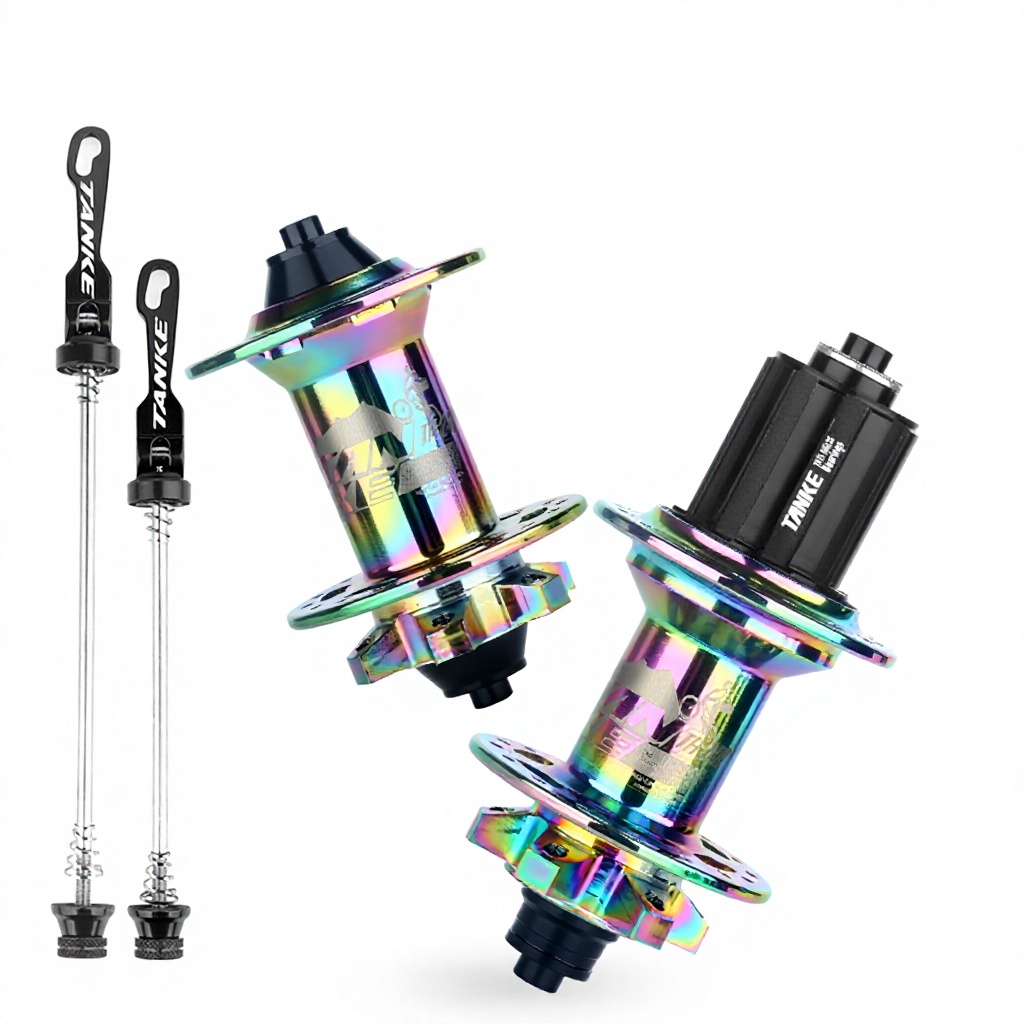
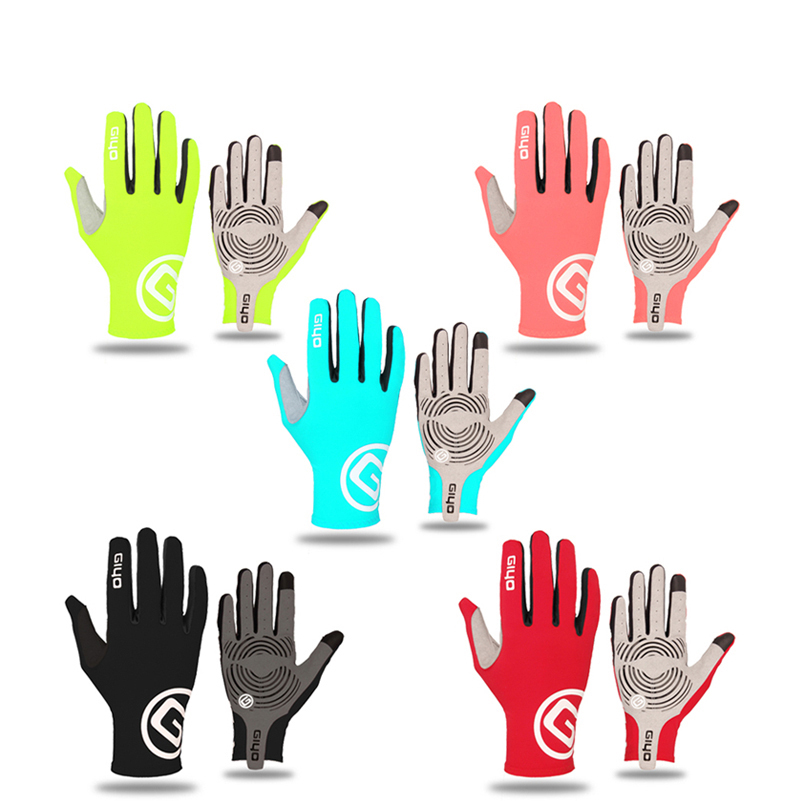
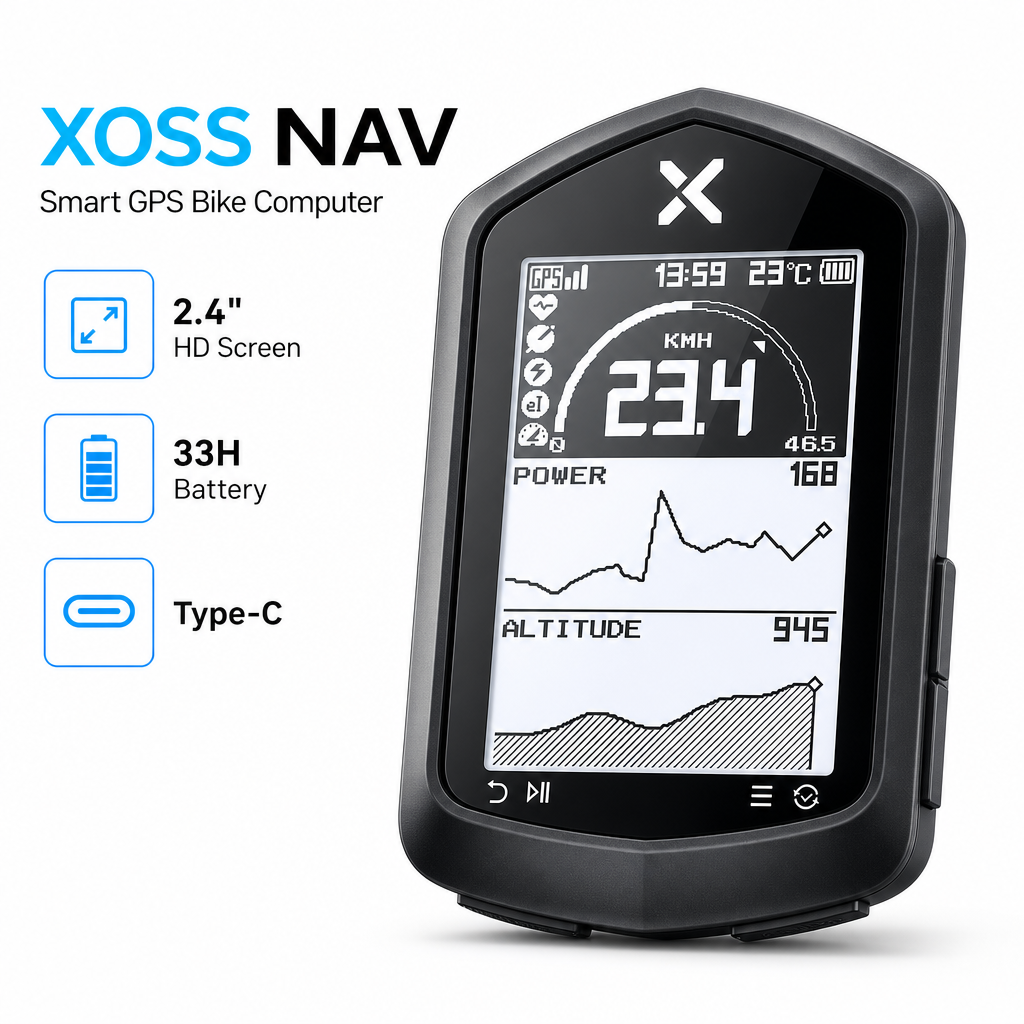
Addressing the core vulnerabilities of overseas cycling accessory procurement through industrial verticality, on-site verified production assets, and meticulous batch standardization.
Direct production facilities in Wenzhou and Hebei, synchronized with precision tier-one component alliances across Guangdong. Single-hub mixed-SKU loading at Yiwu drastically mitigates LCL logistics costs.
Our 1,450 m² operational infrastructure has undergone rigorous onsite evaluation by TÜV Rheinland. Full transparency in supplier scoring, material certification, and factory floor throughput.
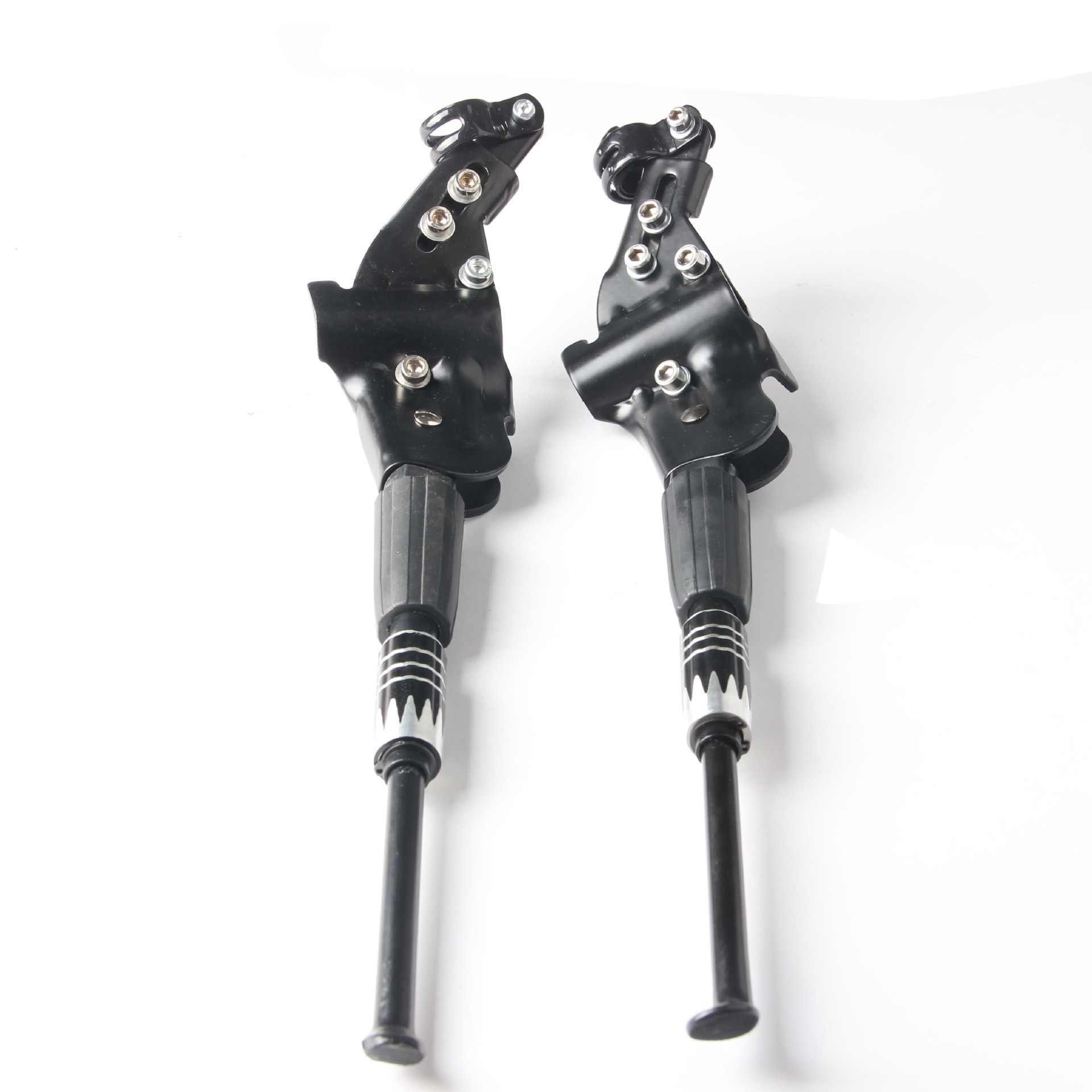
Advanced fiber-optic laser etching cells allow precision private-label branding on multi-tools, hubs, and alloy kickstands with zero peeling risk, supported by low trial-order thresholds.
Every single batch undergoes dimensional checks, torque tolerance verification, surface hardness testing, and retail-packaging stress simulation prior to export container clearance.
For decades, international bicycle brands and distributors suffered from the fragmentation of China’s bicycle accessory supply chain. Sourcing repair tools from Hebei, hubs from Guangdong, and safety lighting from Zhejiang meant negotiating multiple minimum order quantities (MOQs), coordinating asynchronous freight schedules, and wrestling with erratic quality control standards.
Yiwu DOVU Outdoor Products Co., Ltd. resolves this fundamental friction. By architecting an enterprise hub in Yiwu that integrates manufacturing capacity with an export consolidation nerve center, we provide global partners with a unified supplier framework. Our multi-category supply chain encompasses 8 primary cycling accessory verticals, enabling buyers to execute multi-SKU orders on a single bill of lading (B/L).

Onsite Verified Assessment: Independent confirmation of floor operations, assembly precision, and export quality management protocols.
A comprehensive analysis of evolving buyer expectations, micro-mobility tailwinds, and how factory technological upgrades are transforming wholesale margin structures.
The global surge in e-mobility, cargo bikes, and high-wattage pedelecs has permanently altered the structural requirements of bicycle accessories. Standard consumer kickstands, thin chain links, and lightweight workshop multi-tools are frequently failing under higher curb weights (25kg to 45kg) and extreme motor torque outputs.
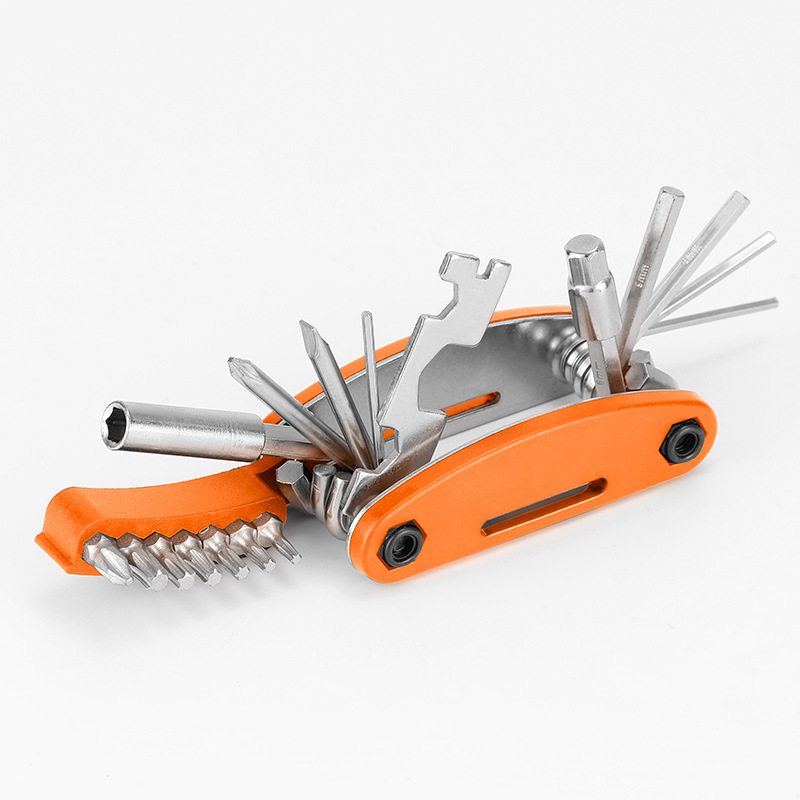
Factory Response: Engineering teams are transitioning kickstand alloys to gravity-cast aluminum composites with rated load capacities exceeding 40kg, while utilizing chromium-vanadium (Cr-V) and S2 steel tooling specifically hardened to withstand e-bike maintenance pressures.
Passive safety devices are rapidly ceding market share to dynamic, sensor-augmented electronics. Commuters and fitness cyclists now expect vehicle-grade active responses from affordable accessories, eliminating the boundary between professional telemetry and daily utility.
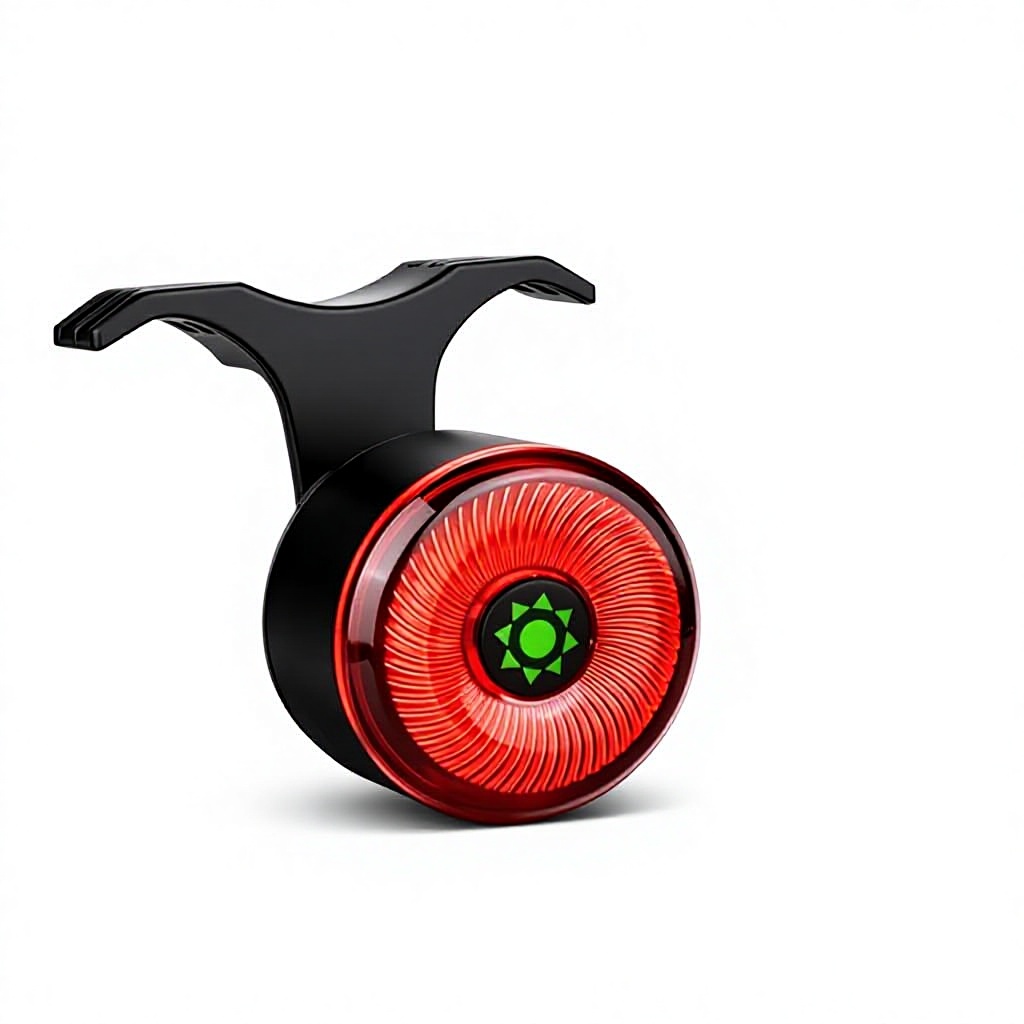
Factory Response: Modern bicycle lighting systems are standardizing 3-axis accelerometer deceleration sensing (automatic smart brake lights), ambient photometric wake-up logic, and multi-satellite navigation computers (GPS, GLONASS, Galileo, BeiDou) featuring offline vector breadcrumb mapping with USB Type-C fast-charging protocols.
Regulatory scrutiny across the European Union (e.g., Extended Producer Responsibility - EPR, PPWR regulations) is penalizing excessive single-use plastics and petroleum-heavy clamshell packaging. Retailers demand export-ready, shelf-optimized packaging with verifiable recycled footprints.
Factory Response: Replacement of polyvinyl chloride (PVC) blister packs with biodegradable Kraft cards, non-toxic soy-based ink printing, and modular OEM packaging designs that optimize sea container cubage (CBM), maximizing freight profitability per unit shipped.
The era of committing to 5,000-piece minimums for minor branding variations is obsolete. Competitive online DTC brands and specialized regional chains require agile supply chains capable of delivering custom laser-engraved logos, Pantone-matched accent anodizing, and bespoke tool combinations starting at low volume tiers. DOVU leverages modular assembly cells and computerized high-speed fiber-laser setups to support scalable trial runs without inflating per-unit production costs, offering buyers an enterprise edge in market testing.
| Equipment Category | Material Benchmark | Critical Quality Indicator | OEM Customization Vector | Commercial Target Channel |
|---|---|---|---|---|
| Multi-Function Repair Kits | Cr-V Steel / S2 Hardened Tool Alloy | Hex bit dimensional tolerance (±0.02mm) | Laser side-plate logo, custom bit loadout | Independent Bike Shops, Outdoor Retail |
| CNC Transmission Hubs | AL6061-T6 Body / AL7075-T6 Axle | Sealed cartridge bearing concentricity | Anodized colorways, laser shell typography | Custom Wheel Builders, Performance Brands |
| Smart Deceleration Lighting | Aircraft Aluminum / Polycarbonate Lens | Gyroscope responsiveness and IPX6 seal | Silkscreen casing, custom optic Fresnel pattern | Urban Commuter DTC, Mass Sporting Chains |
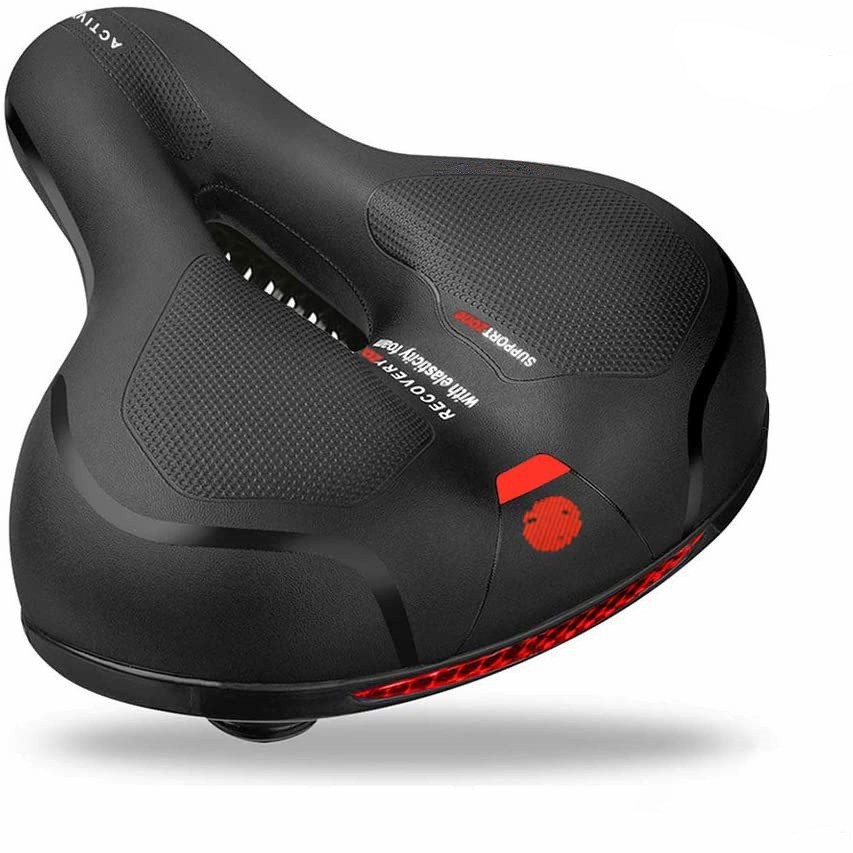
| Ergonomic Shock Saddles | High-Density Memory Foam / Microfiber PU | Elastomer rebound & rail fatigue resistance | Embossed surface branding, reflective prints | Fleet Operators, Comfort Upgrade Retail |
| Heavy-Duty Kickstands | Die-Cast Die Aluminum Alloy | Internal spring detent cycle fatigue (>10k reps) | Branded bracket casting, extension stamping | E-Bike Assemblers, City Bicycle Importers |
Clarity on contractual terms, quality validation, customization protocols, and international supply security.
For standard in-stock cycling accessories, maintenance tools, and riding gear stored at our Yiwu warehouse, our minimum order quantity starts as low as 1 to 10 units per SKU to facilitate rapid sample validation and pilot inventory testing. For customized OEM production—such as specialized color anodizing, custom-formulated saddle molds, or branded packaging boxes—MOQs generally range from 200 to 500 units depending on raw material setup costs.
Our facility provides four tiers of brand customization: Minor branding (high-precision fiber laser marking for hardened metals, pad printing for plastics, and customized retail carton artwork); Sample-based modification (duplicating and improving existing client benchmarks); Design-based development (engineering 3D CAD/CAM designs into production molds); and Full ODM project delivery including custom PCB programming for smart electronics.
Our quality assurance workflow adheres strictly to ISO-standard inspection guidelines verified onsite by TÜV Rheinland. We conduct incoming raw material verification (spectrometric metal alloy validation), in-process tolerance inspections, and 100% functional testing on active products (such as smart brake sensors and torque tools) prior to export packaging. We welcome certified third-party inspection firms (SGS, Bureau Veritas, TÜV) before balance payments are released.
Yes. This is one of DOVU’s most distinct commercial advantages. Rather than managing fragmented logistics from multiple independent factories across China, our Yiwu consolidation hub allows you to combine bicycle repair tools, kickstands, smart lights, hubs, saddles, and apparel into one single FCL or LCL shipment on a unified Bill of Lading, significantly reducing custom brokerage fees and shipping overhead.
We accommodate standard global Incoterms including FOB (Ningbo, Shanghai, Shenzhen), CIF, EXW, CFR, and fully-managed DDP (Delivered Duty Paid) directly to your regional warehouse. Financial settlements are accepted in USD, EUR, HKD, and CNY via institutional wire transfers (T/T), verified Letters of Credit (L/C), or approved secure trade facilities.
Off-the-shelf catalog models ready in our Yiwu logistics hub can be packaged and dispatched to the port within 3 to 7 working days. Standard OEM orders featuring custom laser-marked branding and dedicated retail packaging generally require 15 to 25 calendar days. Complex ODM projects involving new plastic tooling or custom metal forging are scheduled based on confirmed mold manufacturing milestones.