Engineered Urban Security & Cycling Hardware Essentials
Direct manufacturing and consolidation from audited hubs across Zhejiang and Hebei, verified to high anti-theft and endurance standards.
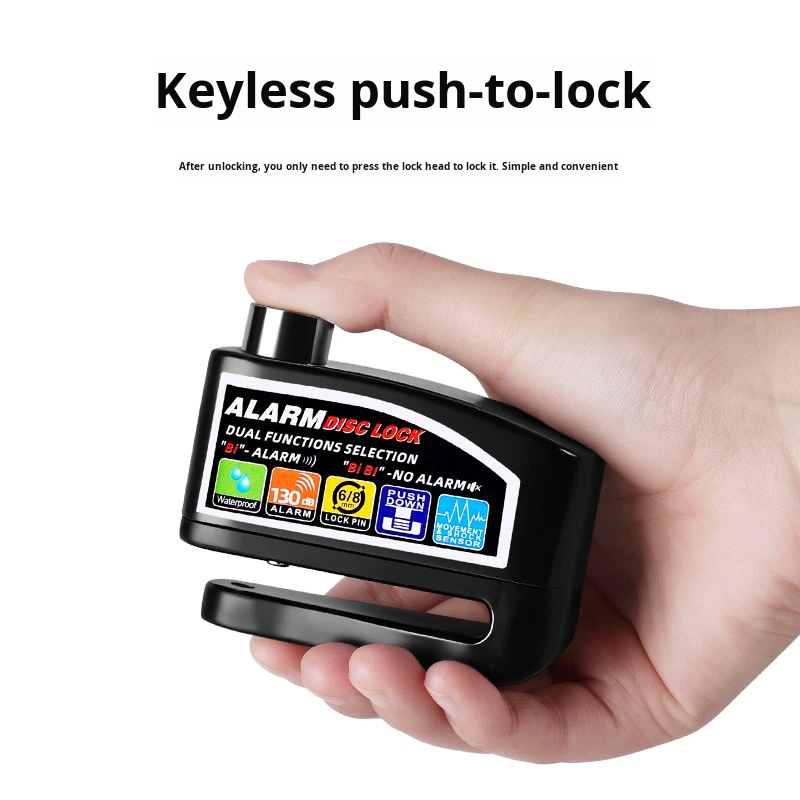
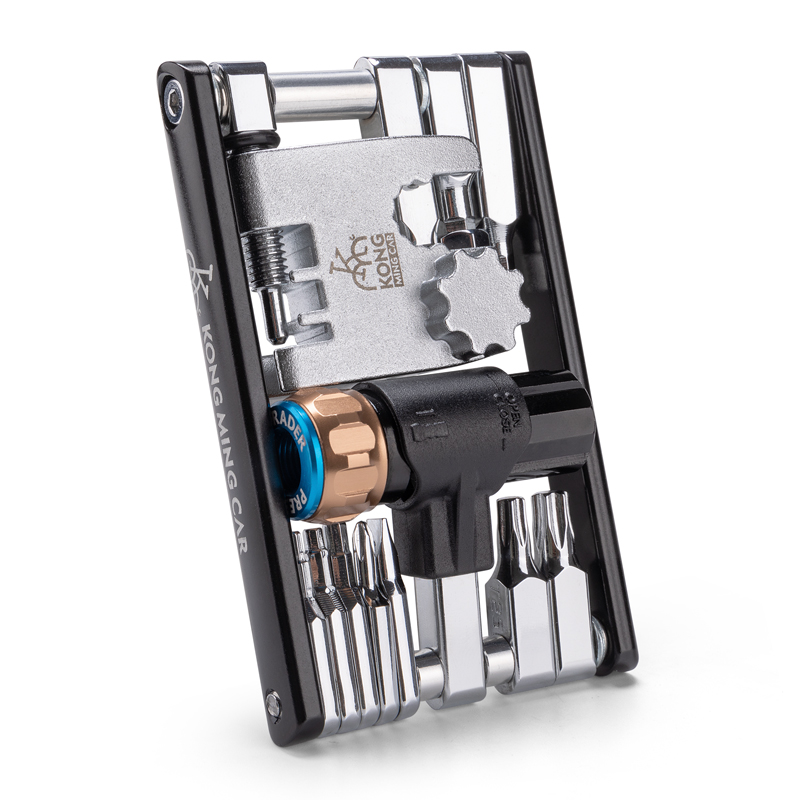
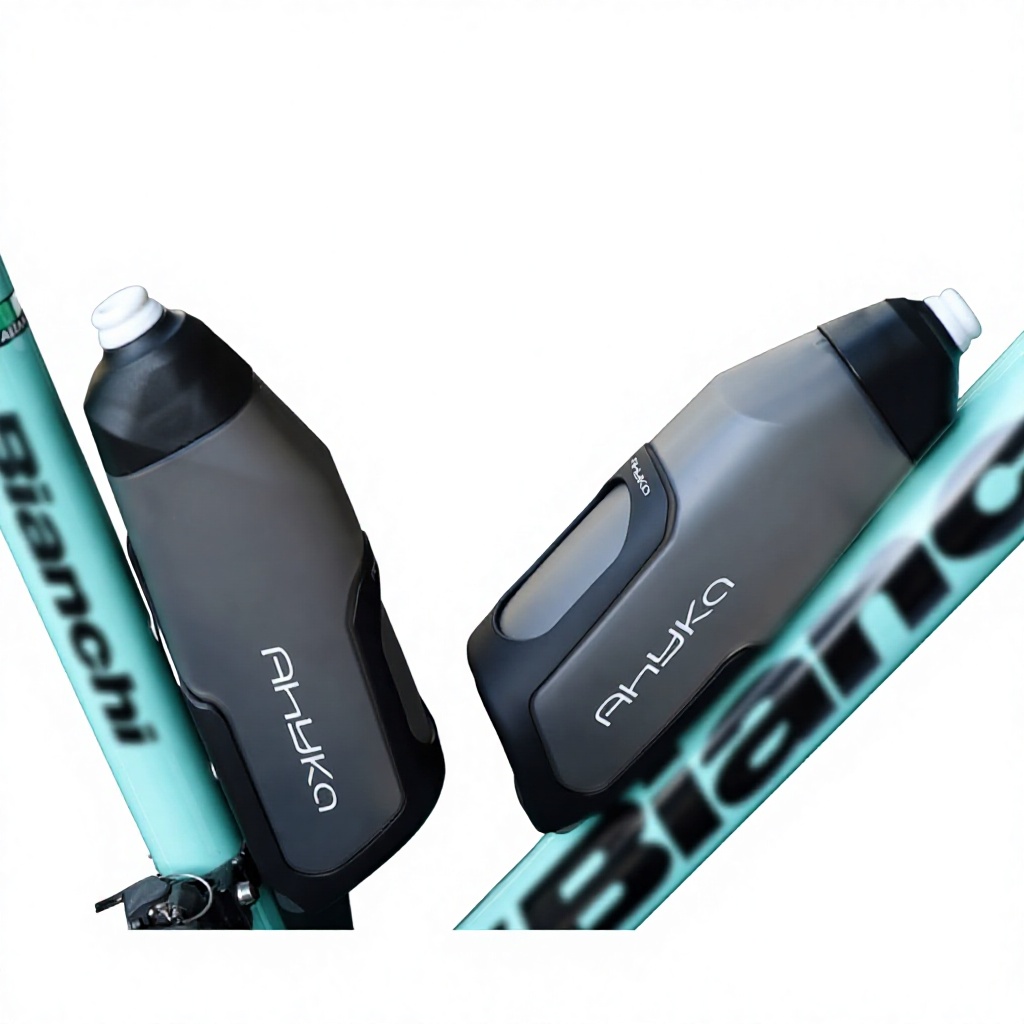
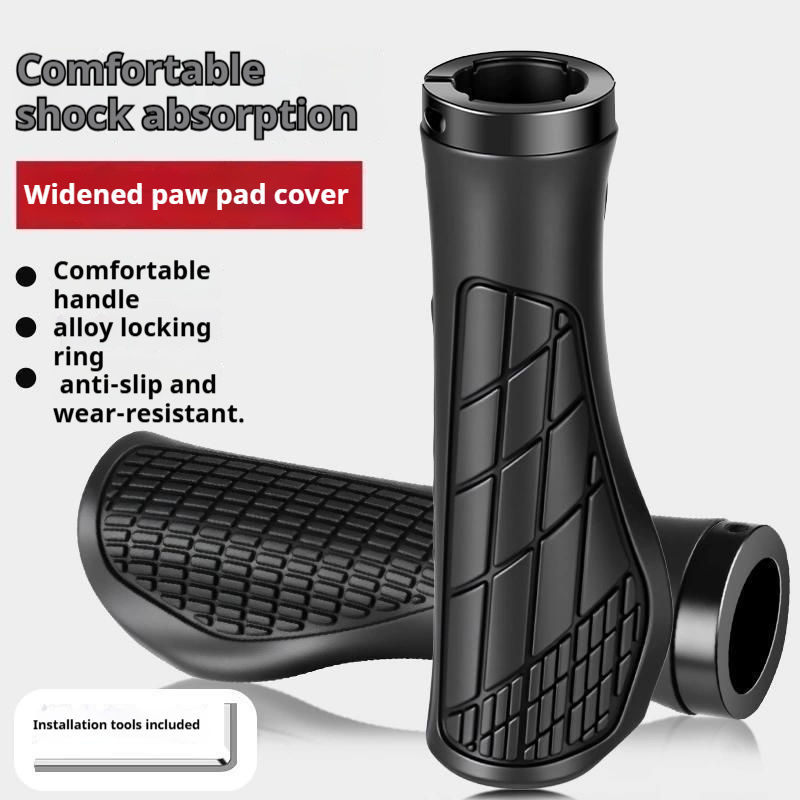
Engineering Resilient Mechanical Security: The Metallurgy and Architecture of Modern Combination Bike Locks
In modern micro-mobility, mechanical cycling locks are no longer viewed as simple passive theft deterrents. With escalating municipal e-bike adoption, commercial shared-fleet expansions, and high-value performance cycling, the demand for keyless locking mechanisms that blend ergonomic convenience with violent attack resilience has reshaped manufacturing standards. A premier China combination bike lock factory must harmonize advanced alloy metallurgy, precision wheel-tumbler tolerances, and multi-climate surface chemistry to defeat both crude manual attacks and sophisticated decoding manipulations.
1. Metallurgy, Hardening, and Shear Physics
High-tier security shackles utilize high-tensile steel alloys, specifically chromium-molybdenum (e.g., 40Cr or 20MnV) variants. These materials undergo progressive induction heat-treatment and rapid carbon-nitriding quenching. This metallurgical profile yields a dual-phase mechanical state: a superficial case hardening achieving 58–62 HRC to blunt 14-ton hydraulic cutters, hacksaw abrasions, and cobalt drill penetration, supported by a ductile internal core (32–36 HRC) designed to flex and dissipate up to 45 Joules of kinetic energy from sledgehammer and pry-bar leverage.
| Security Category | Primary Material Core | Heat Treatment Standard | Tensile / Shear Limit | Dial Cam Assembly |
|---|---|---|---|---|
| Commuter Keyless Cable | Braided Carbon Steel (7x19) | Tempered Core + PVC Outer | Tensile ≥ 4.2 kN | 4-Digit Zinc Alloy Tumbler |
| Heavy-Duty Link Plate | Micro-Alloy Structural Steel | Induction Hardened Surface | Shear ≥ 38 kN | 4-Digit Internal Clutch Wheel |
| Ultra-Armored Keyless U-Lock | Triple-Heat 40Cr Steel Shackle | Dual Hardness (Case + Ductile) | Tensile ≥ 72 kN | 5-Digit Anti-Pick False Gate |
2. Anti-Decoding Mechanics & False-Notch Dial Design
Basic combination locks succumb to torque decoding: an attacker tensions the shackle while rotating the numeric dials, sensing binding resistance when the true gate aligns with the locking bar. Tier-one engineering mitigates this attack via false gate profiling along the periphery of internal zinc or brass tumbler cams. By distributing uneven drag resistance across non-engaging angular coordinates, false notches neutralize sensory feedback, making tension attacks ineffective without compromising the tactile, crisp index clicking necessary for user operation.
False-Gate Engineering
Micro-machined detents mimic legitimate alignment slots, deflecting picking shims and eliminating tension-differential decoding tactics used by casual and professional thieves.
Impact Redistribution
Double-bolting mortise deadbolts lock both ends of the shackle into hardened alloy housings, doubling the physical cuts required to defeat the mechanism.
Environmental Shielding
UV-stabilized engineered ABS jackets and vulcanized TPE outer boots guard frame lacquer while sealing interior spring stacks from road brine and fine sand ingress.
Future Sourcing Directions: Trends Transforming Lock Procurement
Procurement directors and B2B brand managers are recalibrating their RFQ architectures to navigate structural shifts in consumer expectations, urban infrastructure, and supply chain logistics.
1. The Electrification of Bicycle Architectures (E-Bikes & Cargo Platforms)
The global boom in premium pedal-assist bicycles ($2,000–$8,000 MSRP) has made lightweight basic locks obsolete in urban markets. Importers are migrating toward Sold Secure Silver/Gold rated products that balance mass-to-resistance ratios. Buyers favor articulated hardened folding locks and heavy-gauge combination chains featuring integrated frame mounts that mount directly to standard water bottle cage bosses or oversized down-tubes without rattling.
2. Hybrid Mechanical-Mechatronic Paradigms
While standalone smart Bluetooth/fingerprint locks gain interest, commercial data indicates consumers remain cautious about battery depletion leaves locks immobilized. Sourcing channels are turning toward dual-redundancy mechanisms: high-precision physical combination dials paired with internal piezoelectric vibration alarms or low-power BLE tracking compartments (e.g., dedicated cavity geometry for concealed Apple AirTag and SmartTag units).
3. Circular Polymers, Eco-Packaging, and ESG Compliance
In accordance with updated European and North American retail requirements, tier-one brands are phasing out heavy single-use blister clamshell packaging. Factories with in-house thermoforming and die-cutting for FSC-certified corrugated presentation boxes, soy-based ink printing, and REACH-compliant/PAHs-free sheath plastics maintain a commercial advantage during import customs evaluations.
Enterprise Advantages: Integrated Manufacturing & Direct Consolidation
Leveraging deep industrial production across Wenzhou and Hebei with centralized consolidation in Yiwu, Zhejiang.
TÜV Rheinland Assessed
In-House Laser Branding
Systematic End-to-End QC
Mixed-SKU Consolidation
Frequently Asked Questions: Global Bike Lock Procurement
Direct technical and commercial answers tailored for international importers, category merchandisers, and procurement officers.
What are the standard MOQs for custom combination mechanisms versus stock locks?
For ready-to-ship standard SKUs in neutral black finishes, sampling orders start as low as 1–10 units. Custom branded runs featuring personalized dial colors, laser marking, and customized Pantone housing jackets typically carry a low MOQ of 500 to 1,000 units, depending on tooling specifications.
How do your factories ensure dial stability and weather sealing in cold climates?
Our internal mechanical combinations use low-temperature synthetic lithium lubricants rated down to -30°C, preventing dial lockups and moisture freeze-binding. Dial hubs feature precision zinc dies paired with internal silicone O-rings that shield tumbler tracks from brine, water, and road particulate ingress.
Can you manage OEM bespoke packaging suitable for retail rack hang cards and barcodes?
Yes. Our in-house design and pre-press teams configure retail solutions including drop-tested blister trays, eco-friendly folding kraft boxes, and hanging shelf cards printed with your SKU data, multi-language instructions, and EAN/UPC barcoding according to your requirements.
What international testing standards and compliance directives can your locks meet?
Depending on target markets, our locks can be engineered and verified to meet REACH chemical harmlessness thresholds, RoHS standards for electronic components, and physical test protocols equivalent to Sold Secure Bronze/Silver, ART, and general DIN mechanical security specifications.
Build Resilient Locking Portfolios with Direct Factory Support
Partner directly with an audited Chinese cycling gear manufacturer. Request our comprehensive combination lock spec sheets, discuss custom mold tooling, or coordinate sample prototyping with our engineering team.
Contact Us