High-Velocity Accessories & Anti-Theft Hardware
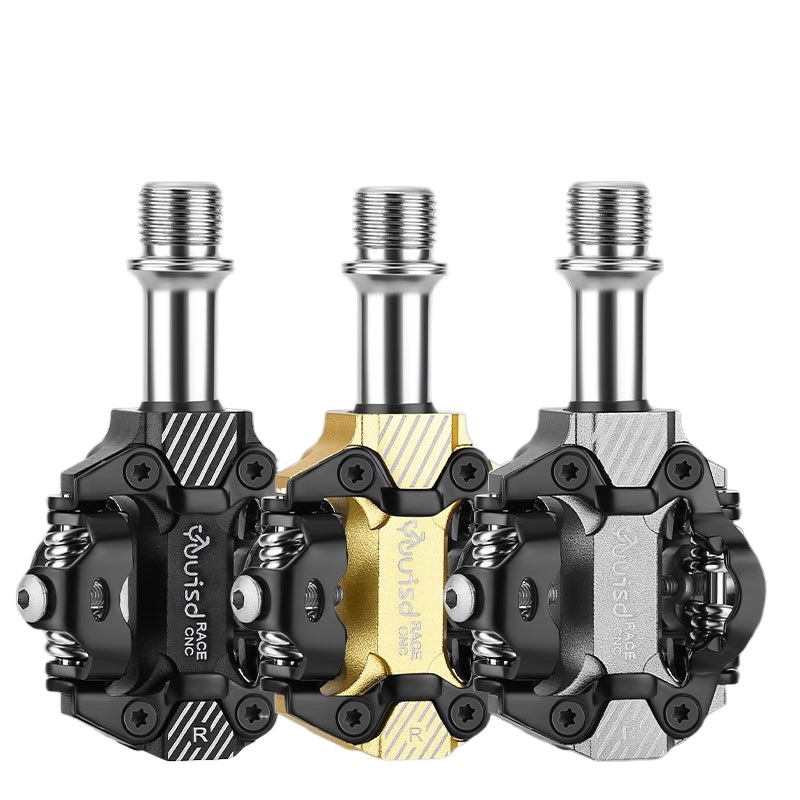
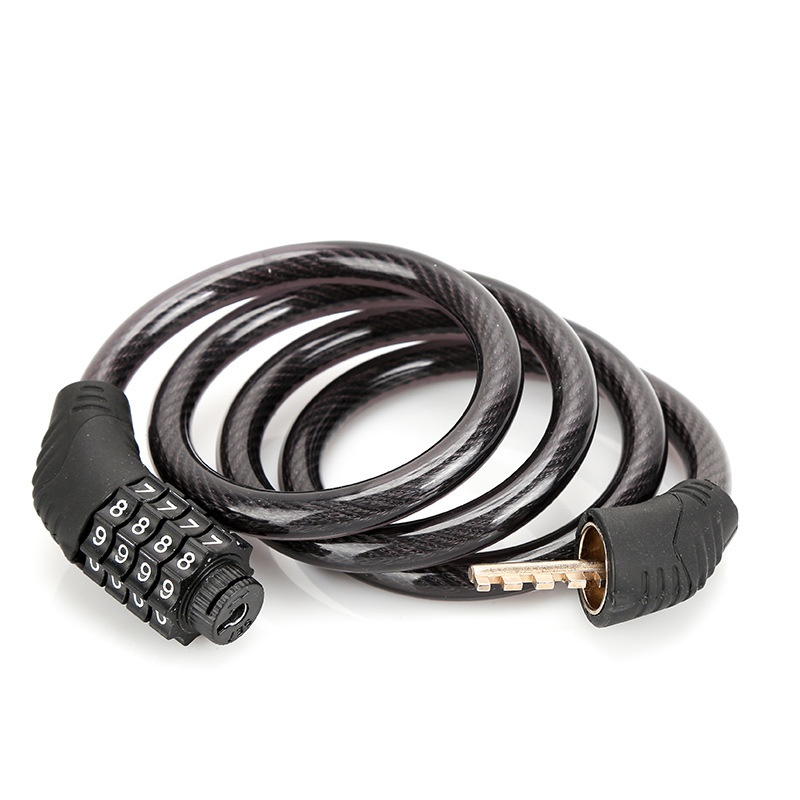
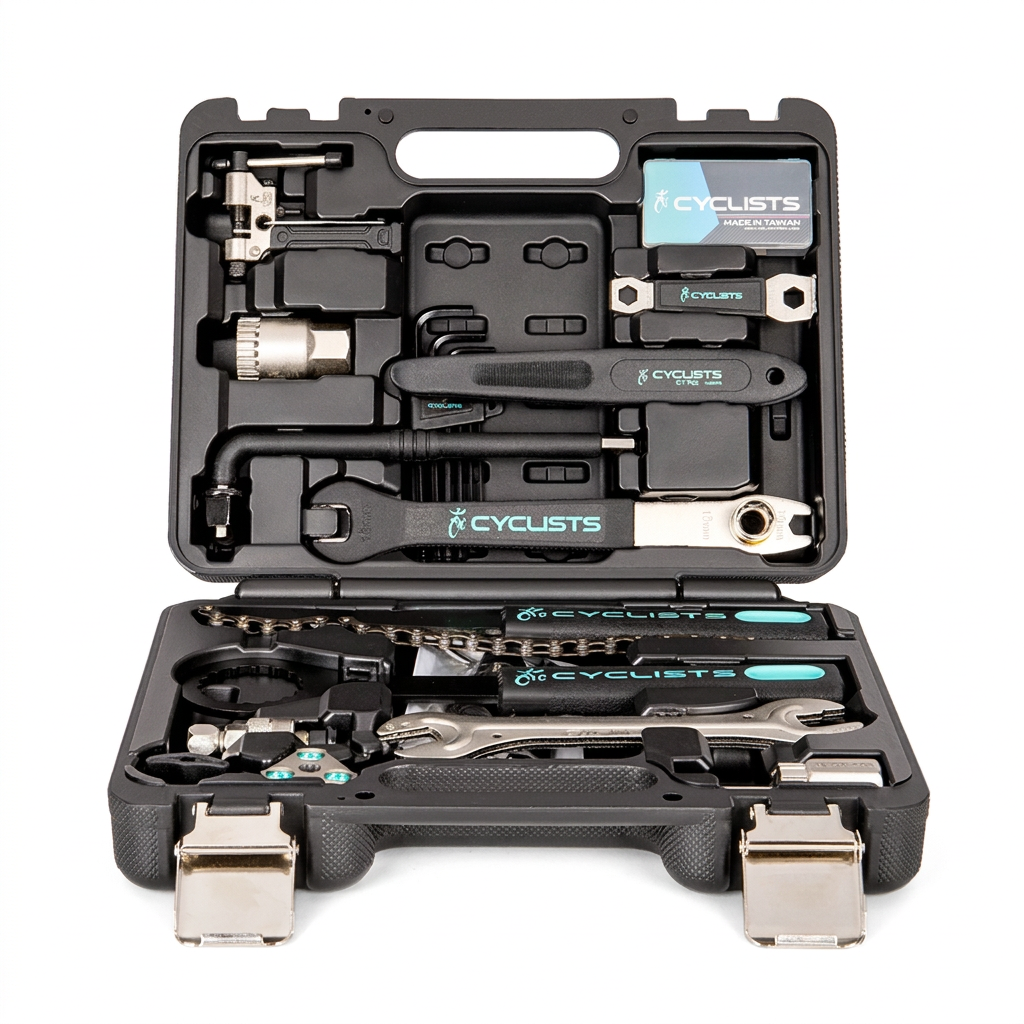
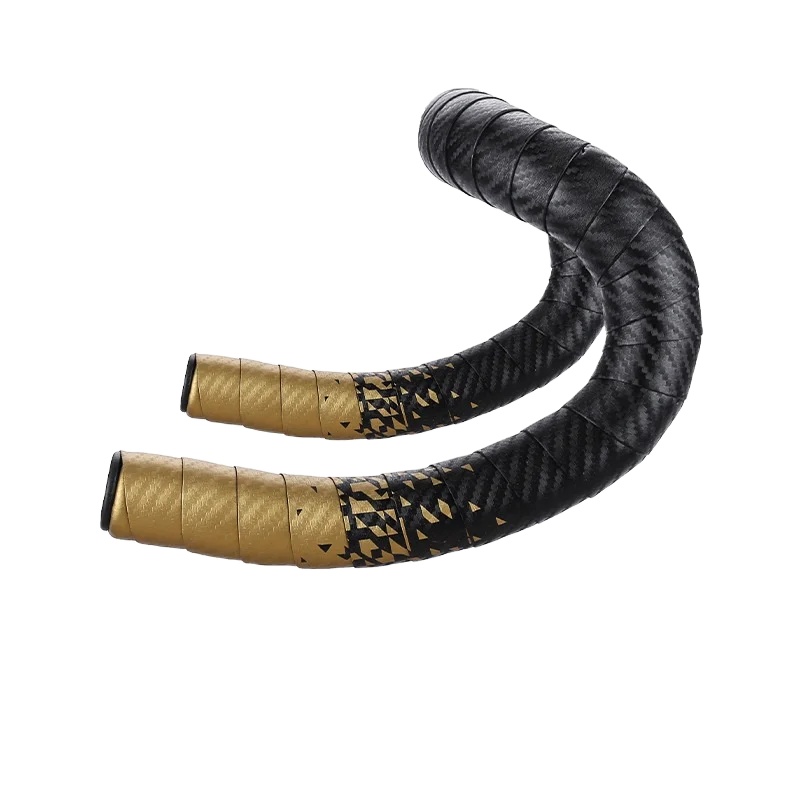
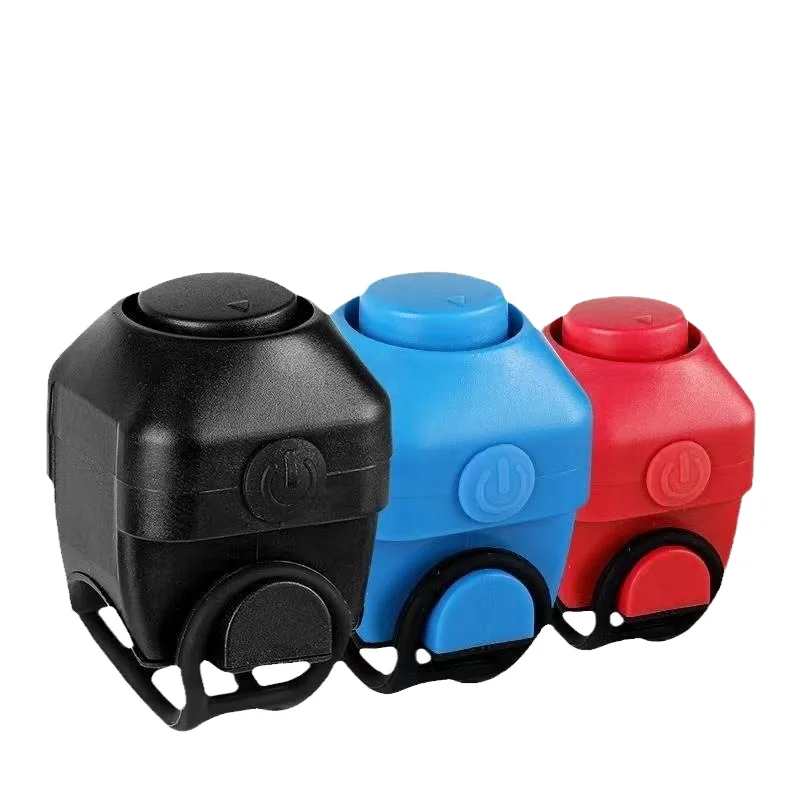
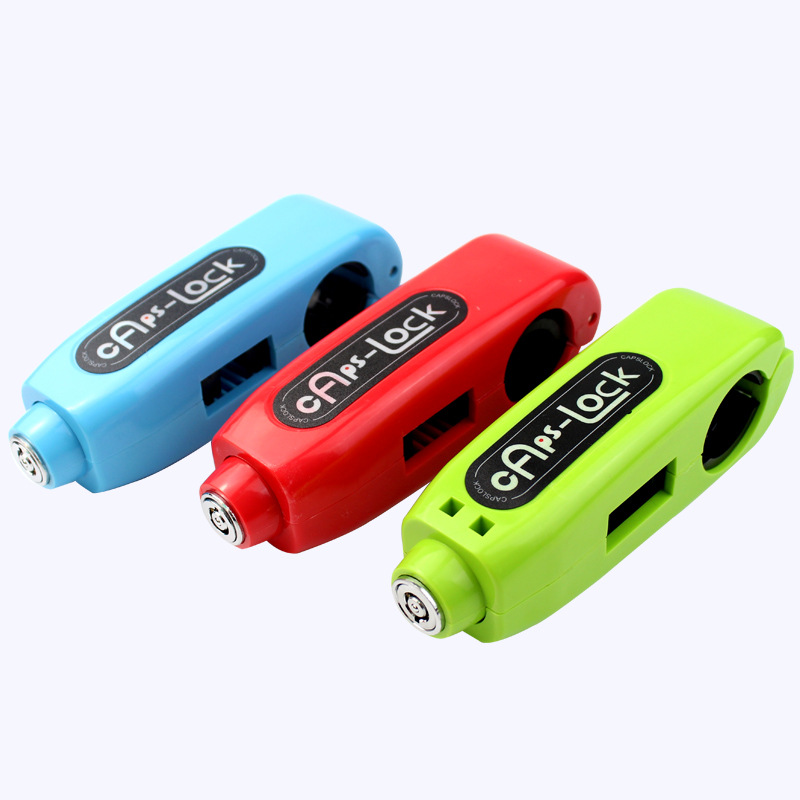
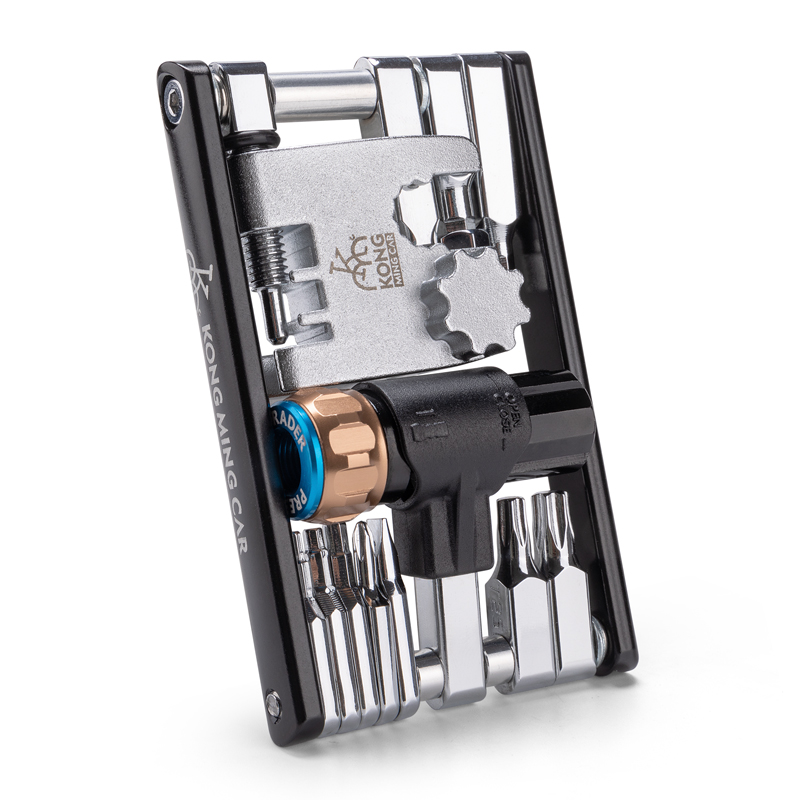
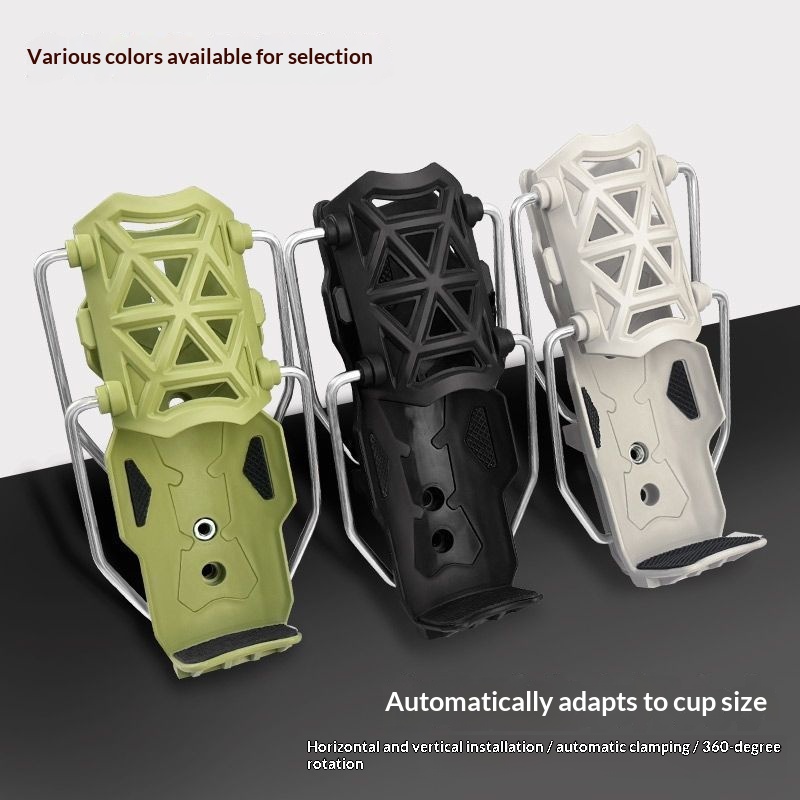
Engineered for high-turnover bike shops, e-commerce retailers, and fleet procurement. Consolidate your lock shipments with matching workshop gear and cycling components.
China Bicycle Ring Lock Engineering, Metallurgy & Sourcing Landscape
An in-depth industrial report covering frame lock mechanics, alloy heat-treatment, security grading certifications (ART / Sold Secure), and original equipment manufacturing (OEM) criteria.
Bicycle ring locks—also commonly designated across European and Asian markets as frame locks, O-locks, or horseshoe locks—represent one of the most structurally integrated theft-deterrence mechanisms in personal mobility. Unlike freestanding U-locks or flexible cable locks, a ring lock mounts directly to the seat stays or rear dropouts of the bicycle frame. When actuated, a circular hardened steel shackle slides perpendicularly through the rear wheel spokes, mechanically immobilizing the rear rim against the frame triangle. This prevents "ride-away" opportunist theft and serves as the baseline immobilization standard for urban runabouts, electric commuter bikes, cargo bikes, and dockless bike-share fleets globally.
As European and North American e-bike markets experience unprecedented expansion, the technical bar for ring locks has moved rapidly beyond rudimentary sheet-metal stampings. Premium urban cyclists, municipal operators, and e-bike assemblers require locks that pass stringent multi-national destructive-attack standards such as the Dutch ART foundation (2-Star rating), Sold Secure Pedal Cycle Silver/Gold (UK), Varefakta (Denmark), and FG (Norway). Fulfilling these criteria demands sophisticated metallurgy, cryogenic case-hardening processes, anti-drilling cylinder cores, and automated robotic assembly across China's manufacturing heartlands in Zhejiang, Hebei, and Guangdong provinces.
For international sourcing directors, category managers, and private-label brand owners, navigating the ecosystem of Chinese lock producers requires an uncompromising evaluation of raw material traceability, structural tolerances, tooling customization, and finishing corrosion-resistance. Sourcing directly from verified Chinese industrial clusters yields decisive margin advantages, provided that buyers establish rigid quality assurance matrices, finished-product batch inspections, and verifiable material composition certifications before committing to full container load (FCL) orders.
Shackle Metallurgy & Heat Treatment
High-grade ring locks utilize 20MnCr5 or 40Cr alloy steel shackles, induction heated and case-hardened to achieve a surface hardness of 58 to 62 HRC while maintaining a ductile core (~35 HRC). This dual-gradient microstructure prevents catastrophic brittleness under sledgehammer impact while providing extreme resistance against 60kN manual bolt-cropper attacks.
Anti-Drill & Anti-Pick Cylinders
Moving beyond vulnerable wafer cylinders, export-ready factories implement multi-axis disc-detainer or brass pin tumbler cores with anti-drill hardened pins. The keyways are engineered with false gates and proprietary milling profiles, yielding over 10,000 distinct key differs to minimize master-key vulnerabilities in commercial fleet applications.
Plug-In Chain / Cable Adaptability
Modern ring locks feature an integrated female locking port designed to accept 10mm to 12mm plug-in square link hardened chains or 12mm high-tensile steel cables. This dual-locking capability allows riders to simultaneously lock the rear wheel and anchor the frame to an immovable street post using a single key operation.
Future Procurement & Product Development Trends in Ring Locks
Strategic transformations driving OEM design shifts, electronics integration, sustainability standards, and global supply chain reconfigurations for 2025–2030.
The global bicycle security equipment sector is undergoing its most radical transformation in four decades. The convergence of smart IoT fleet management, wider tire clearances on electric gravel and commuter bikes, and rigorous corporate environmental mandates is altering how global cycling brands specify and purchase lock inventory. Importers who align their procurement strategies with these macro trends gain tangible competitive moats against generic commodity sellers.
1. IoT & BLE Keyless Frame Locks
The adoption of Bluetooth Low Energy (BLE), 4G LTE-M, and NFC protocols directly inside the ring lock casing is eliminating mechanical keys for shared micro-mobility and high-end e-bikes. Factory integration now requires IP67 waterproof internal solenoids, optical shackle status sensors, and low-power standby circuits capable of drawing power directly from the e-bike central powertrain battery (36V/48V step-down to 5V).
2. Ultra-Wide Casing Clearances
Urban commuting bikes have transitioned from traditional 700x32c tires to balloon tires, 27.5x2.40” e-SUV geometries, and fat cargo wheels with full wrap-around mudguards. Consequently, lock manufacturers are re-tooling deep-draw stampings and aluminum die-casts to provide internal aperture widths ranging from 72mm to 95mm, preventing frame contact while maintaining shackle rigidity.
3. Eco-Design & Sustainable Coatings
European regulatory compliance (RoHS 3, REACH SVHC) has forced a comprehensive phase-out of hexavalent chromium galvanization. Leading Chinese export factories have transitioned to automated trivalent zinc electroplating combined with electrostatic powder coating or thermoplastic elastomer (TPE) overmolds that resist 500+ hours of continuous salt spray testing (ASTM B117) without micro-fissuring.
| Technical Parameter | Standard City Commuter Lock | Heavy-Duty E-Bike / Cargo Lock | Smart IoT Connected Lock |
|---|---|---|---|
| Shackle Diameter & Material | 8.5mm Carbon Steel (Q235/45#) | 10.0mm – 12.0mm Case-Hardened 20MnCr5 | 9.5mm – 11.0mm Hardened Alloy Steel |
| Surface & Core Hardness | 45 – 50 HRC uniform | Surface: 58-62 HRC / Core: 32-38 HRC | Surface: 58-60 HRC / Core: 35 HRC |
| Clearance Aperture (W x H) | 56mm – 62mm | 75mm – 92mm (Oversized for E-Bikes) | 70mm – 85mm |
| Anti-Theft Certification | Basic Factory Utility Grade | ART 2-Star / Sold Secure Silver / Varefakta | ART 2-Star / CE / FCC / RED Directive |
| Locking Mechanism | Reversible Key / Wafer Tumbler | Anti-Pick Disc Detainer / Steel Shield | Motorized Geared Solenoid + Manual Override |
| Auxiliary Port | Optional 8mm Cable Port | Universal 10mm/12mm Chain & Cable Socket | Integrated 10mm Hardened Pin Port |
| Corrosion Protection Rating | Neutral Salt Spray (NSS) 96 Hours | NSS 500+ Hours (Trivalent Zinc + Cataphoresis) | IP67 Enclosure + NSS 400 Hours |
| Ideal Distribution Channel | Discount Department Stores, Entry Bikes | Specialty Bicycle Retailers, Urban E-Bikes | Fleet Operators, OEM Smart Bike Brands |
Why Top Importers Partner with Yiwu DOVU Outdoor Products Co., Ltd.
Streamlined supply chain logistics, multi-category consolidation, and strict finished-product inspections verified onsite by TÜV Rheinland.
 Onsite Assessed Factory
One-Stop Production & Consolidation Hub in Yiwu
Headquartered in Beiyuan Subdistrict, Yiwu, Yiwu DOVU Outdoor Products Co., Ltd. integrates specialized mechanical manufacturing with consolidated export logistics. We solve one of the greatest operational headaches for overseas distributors: the inefficiency of managing separate factories for bicycle locks, repair tools, pedals, lights, and bags.
By operating primary production facilities across Wenzhou and Hebei, paired with heavily audited industrial partners in Guangdong, our 1,450 m² verified logistics warehouse in Yiwu allows buyers to mix multiple accessory categories into single FOB, CIF, or DDP container loads with low initial MOQs (starting at 1-10 units on standard SKUs, and 500 units on custom OEM lines).
DOVU 5-Stage OEM/ODM Quality Control & Execution Framework
CAD & Tooling Setup
Precise clearance drawings, bolt-hole spacing (72-90mm), and key code generation tailored to buyer specs.
Induction Hardening
Pyrometer-controlled heat treatment ensuring 58-62 HRC surface skin with fracture-proof core ductility.
Permanent Laser Logo
Crisp, wear-resistant high-frequency fiber laser engraving of brand trademarks and serial numbers in-house.
Mechanical QA Testing
10,000-cycle keyway life tests, tensile pull-force resistance (>25kN), and ASTM salt spray verification.
Consolidated Export
Export palletizing, barcode label validation, and consolidation with repair tools and cycling components.
Professional Buyer’s Guide: Auditing Bicycle Ring Lock Exporters in China
Key technical criteria to evaluate before issuing commercial purchase orders or signing long-term supply agreements.
Procuring security devices from international factories involves significant commercial liability. If a supplier utilizes substandard steel or skips induction hardening steps, retail customers will experience lock failures or premature theft, triggering catastrophic warranty claims and brand degradation. When auditing prospective factories in China, verify the following 4 engineering pillars:
1. Metallurgical Traceability
Require raw material mill certificates for every coil of shackle steel. Verify whether the supplier utilizes certified 20MnCr5/40Cr alloy steel or inferior unalloyed Q235 carbon steel that shears under manual bolt cutters.
2. Rockwell Hardness Verification
Always mandate on-site or third-party (SGS/TÜV) Rockwell C (HRC) testing across both the shackle exterior case and cross-sectional core to verify case-hardening depth (target: 0.8mm – 1.2mm depth at 60 HRC).
3. Key Retaining vs. Non-Retaining
European markets (Netherlands, Germany) typically require Key Retaining (NR) mechanisms where the key cannot be removed while the lock is open. Specify this requirement precisely during quotation.
4. Frame Mount Geometry
Verify mounting hole compatibility: standard slotted mounts must support M5 threaded frame bosses with center-to-center distances spanning 75mm to 95mm, or include flexible steel strap adapters for bare stays.
Frequently Asked Questions: Procuring Bicycle Ring Locks from China
Clear, direct answers regarding minimum order quantities, private-label branding, testing protocols, and payment terms.
Request the Complete 2025 Bicycle Ring Lock & Hardware Catalog
Connect directly with our engineering sales desk in Yiwu. Gain immediate access to full technical dimensional drawings, batch pricing schedules, OEM laser marking templates, and multi-category consolidation guides.