CNC Pedals
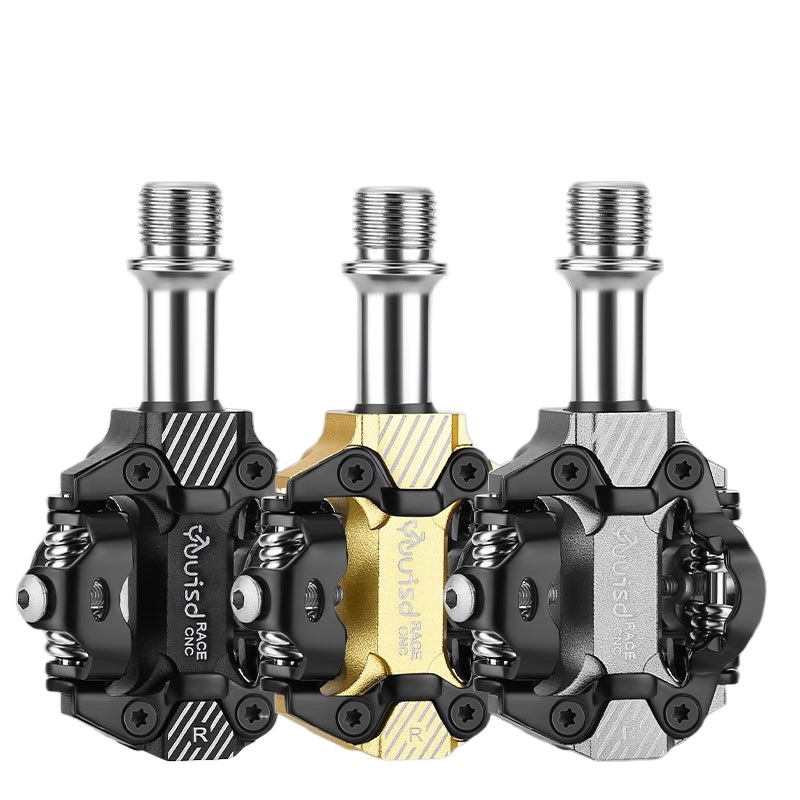
Mountain Bike Pedal Aluminum Alloy Durable Anti-Slip Water Resistant Self-locking
- Material: Extruded 6061-T6 Alloy
- Bearing: Cr-Mo Sealed Bearings
- QC Spec: Fatigue & Impact Tested
Engineered for brand distributors, professional e-commerce operations, and high-volume bicycle parts procurement groups worldwide.
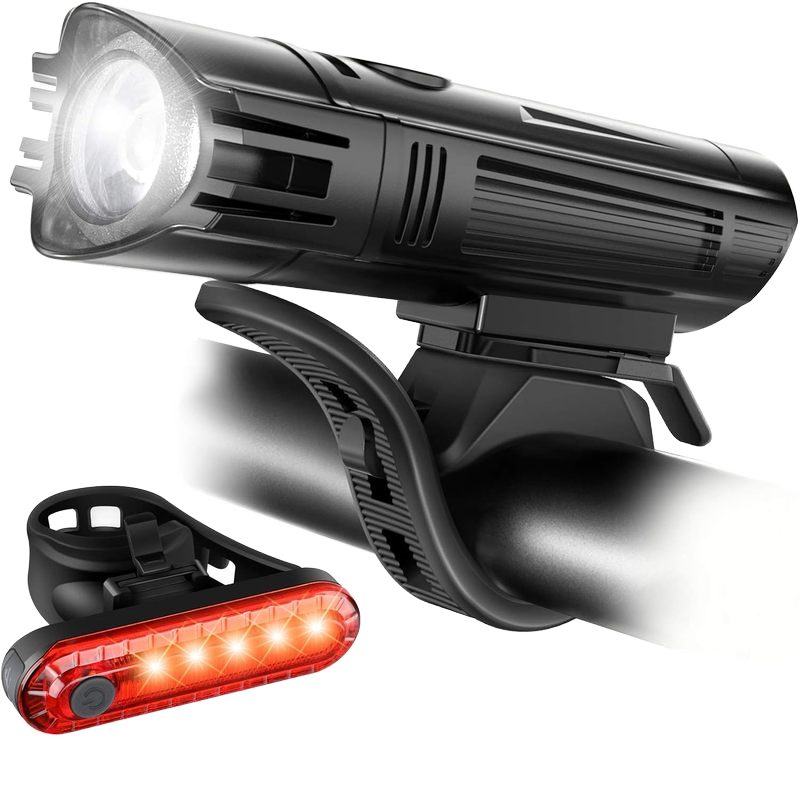
An engineering breakdown of intelligent deceleration algorithms, optical beam design, and compliance metrics for global importers.
Modern bike brake lights have transitioned from basic mechanical switches and constant flashing diodes to sophisticated inertia-sensing systems. High-tier China manufacturers leverage high-precision 3-axis to 6-axis MEMS accelerometers combined with dedicated microcontrollers (MCUs) running dynamic filtering algorithms.
A primary point of differentiation in smart brake taillight manufacturing is false-positive prevention. Low-cost generic circuits often misinterpret rough road vibration, cobblestone impacts, or steep uphill climbing angles as braking events, rapidly draining internal Li-ion cells and misleading trailing traffic. High-grade OEM units utilize intelligent gravity-vector filtration: continuous real-time recalibration filters out transient z-axis shocks while instantly identifying longitudinal (x-axis) deceleration exceeding -1.5 m/s², immediately boosting output to maximum candela within 50 milliseconds.
Procurement Inspection Standard: Ensure your supplier's testing methodology evaluates the deceleration MCU on a controlled vibration shaker table to verify that road noise does not cause parasitic LED strobing.
Raw lumen output is a common vanity metric in wholesale markets; true photometric engineering prioritizes beam collimation and spatial lux distribution. Premium brake taillights incorporate custom optical-grade PMMA Fresnel lenses paired with surface-mount COB (Chip-on-Board) arrays. This combination creates an expanded 220-degree horizontal visibility cone that alerts vehicles approaching from oblique angles at urban intersections, without creating vertical glare that blinds trailing cyclists.
For brands targeting the European Union, specifically Germany, adherence to German StVZO (K-Mark) standards remains paramount. Compliant bicycle brake lights must demonstrate precise cut-off angles, defined candela ranges across specified reference axes, and zero unregulated rapid strobing modes that conflict with road transport safety legislation.
Because rear bike lights are placed directly in the spray path of rear tires, structural ingress protection must not rely purely on ultrasonic casing welds. Industrial-grade manufacturing demands dual-shot injection molding (combining structural Polycarbonate with elastic TPU seals) and silicone gasket channels achieving verifiable IPX6 or IPX7 water resistance. Concurrently, thermal management via internal aluminum heat sinks ensures the LED junction temperature remains stable, preventing lumen depreciation over extended multi-hour night rides.
Strategic supply chain indicators shaping product roadmaps for international bike brands and hardware distributors.
Future rear illumination units are consolidating 24GHz/77GHz millimeter-wave proximity radar directly behind the optical lens. Rather than functioning solely on deceleration, these smart safety modules warn riders of approaching vehicles up to 140 meters away via ANT+ protocol while automatically switching the brake light into a hyper-visible warning pulse.
With rapid expansion in electric commuting and cargo bikes, standalone rechargeable batteries are being complemented by universal-voltage input designs. Factories are designing compact internal step-down buck converters capable of accepting 6V to 60V DC directly from Shimano, Bosch, or Bafang drive systems, triggered by CAN bus or electronic brake levers.
European Union directives mandating USB Type-C have completely phased out Micro-USB. Advanced taillight modules now incorporate intelligent Power Delivery (PD) negotiation chips, fast thermal cut-off circuits, and low quiescent-current standby states that prevent battery exhaustion during prolonged retail storage.
Global brands are demanding verified low-carbon supply chains. Leading Chinese manufacturers are investing in tooling certified for 30% to 50% PCR polycarbonates and bio-based TPU straps without compromising IPX7 waterproofing or drop-test structural integrity.
Aesthetic consumer preferences are shifting away from bulky seatpost bands. Modular tool-free quick-release mounts engineered for carbon saddle rails (7x9mm oval and 7x7mm round) with integrated anti-theft torx fasteners are dominating premium aftermarket categories.
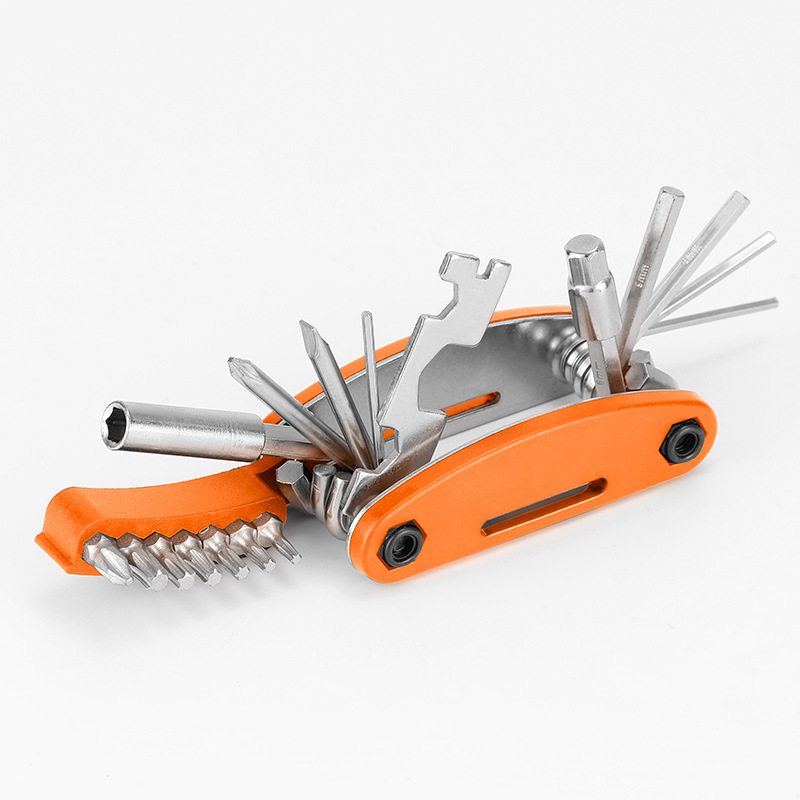
B2B importers increasingly avoid single-SKU factories. Sourcing models prioritize integrated supply hubs capable of combining smart lights, CNC pedals, titanium repair multi-tools, and high-pressure pumps under a single Bill of Lading to minimize logistics overhead.
| Feature Matrix | Standard Generic Tier | Commercial OEM Tier | DOVU Enterprise ODM Grade |
|---|---|---|---|
| Braking Detection | Basic mechanical spring switch | 3-Axis accelerometer without filter | 6-Axis MEMS Sensor + Dynamic Vector Recalibration |
| Waterproof Rating | IPX4 (Splash-resistant) | IPX5 / IPX6 Ultrasonic seal | IPX7 Dual-Shot PC+TPU Molded Gaskets |
| Battery Cell Grade | Uncertified 150mAh pouch cell | UL/CE 350mAh pouch cell | Automotive-grade high-density cell with NTC thermistor |
| Laser Branding | External silk-screen (wear prone) | Surface laser engraving | In-house high-contrast deep fiber laser marking |
| Compliance Capability | Basic CE / RoHS self-declaration | Standard CE / FCC tested | Full StVZO (K-Mark) optic compliance & TÜV onsite audited |
Combining multi-regional manufacturing infrastructure with verified quality assurance and direct logistics efficiency.
Our 1,450 m² facility, administrative processes, and supplier quality standards have been thoroughly evaluated and certified onsite by TÜV Rheinland, providing verifiable transparency.
We deploy computerized fiber laser marking machinery in-house. Your logos, batch serials, and custom typography are etched permanently with micro-metric precision, resisting grease and outdoor abrasion.
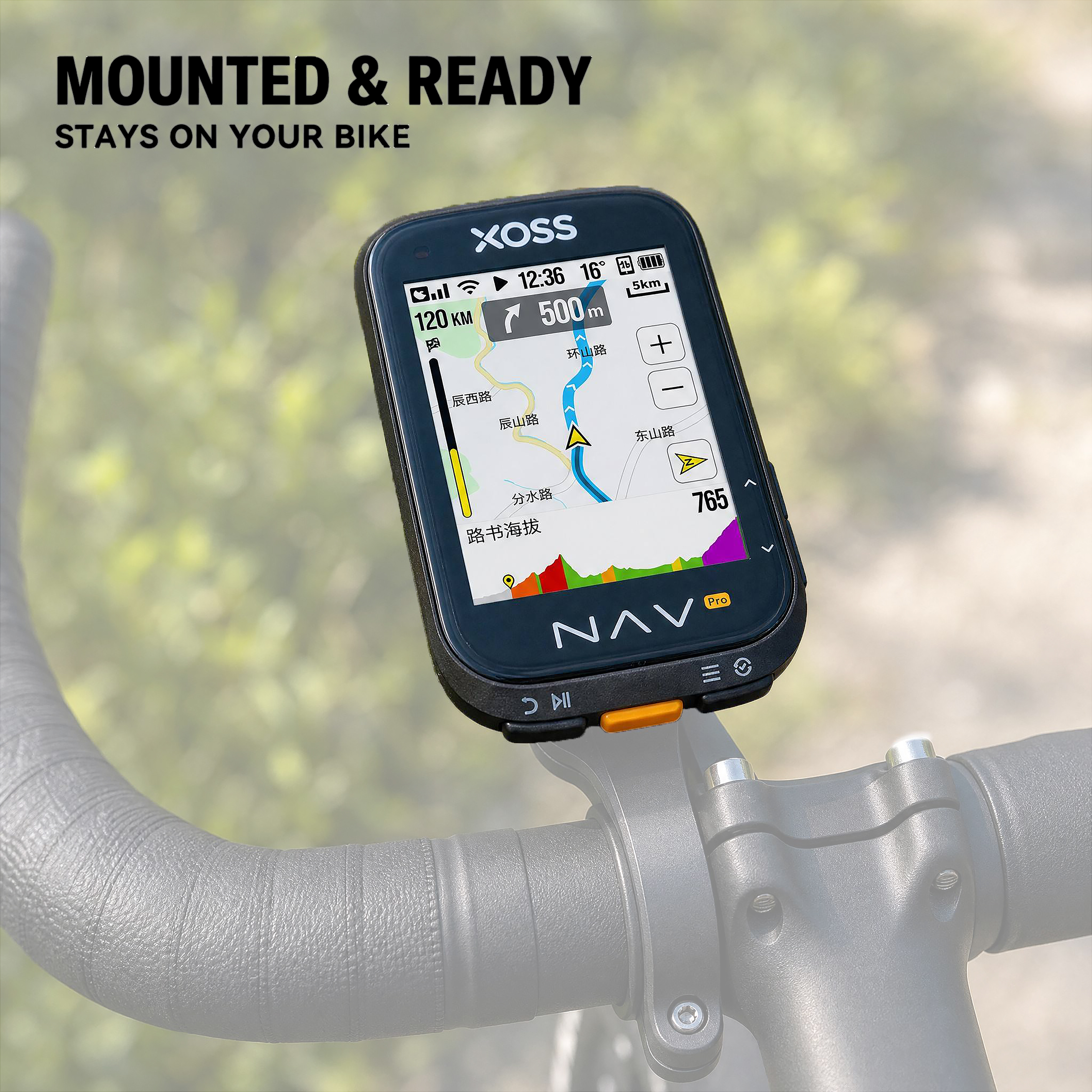
Save thousands on freight and management costs. Consolidate advanced bike brake lights, CNC pedals, chain repair tools, and GPS computers from our production hubs into unified containers at our Yiwu center.
Every batch passes documented raw-material hardness testing, photometric output checks, environmental immersion, and final drop tests before packing cartons are cleared for shipping.
We protect emerging brands and regional distributors by supporting low trial minimums on standard SKUs (starting as low as 10 to 500 units depending on customization level) while delivering full volume capacity up to $5M annually.
Whether you require EXW, FOB Ningbo/Shanghai, CIF, or door-to-door Delivered Duty Paid (DDP) service with customs handling into Europe and North America, our experienced trade team ensures zero import clearance bottlenecks.
Direct answers to the commercial, technical, and regulatory questions most frequently raised by international sourcing teams.
For in-stock housing designs requiring custom laser branding and standard packaging, MOQs start from 50 to 200 units. For fully customized color configurations, specialized blister packaging, or customized firmware deceleration curves, typical minimums start at 500 to 1,000 units per production run.
We employ a two-step validation process: 100% pneumatic vacuum decay testing on empty assemblies to ensure weld and gasket integrity, followed by statistical water bath immersion (IPX6 high-pressure spray and IPX7 submersion tests) sampled from every production lot prior to master-carton sealing.
Yes. Under our ODM engineering services, our embedded firmware team can calibrate the MCU's threshold triggering G-force (typically adjustable between -1.0G and -2.2G) and customize the duration the brake beacon stays illuminated (e.g., 2.5s to 5.0s) to align with your market preferences.
Our products are engineered to comply with CE (EMC), RoHS, REACH, and FCC Part 15 standards. Furthermore, select optical platforms are engineered to satisfy photometric lux distributions aligned with German StVZO guidelines for non-strobe, continuous beam regulation.
Every internal rechargeable lithium-ion battery includes comprehensive safety documentation: UN38.3 test reports, MSDS (Material Safety Data Sheets), and dropship drop-test documentation compliant with air and sea dangerous goods shipping standards worldwide.
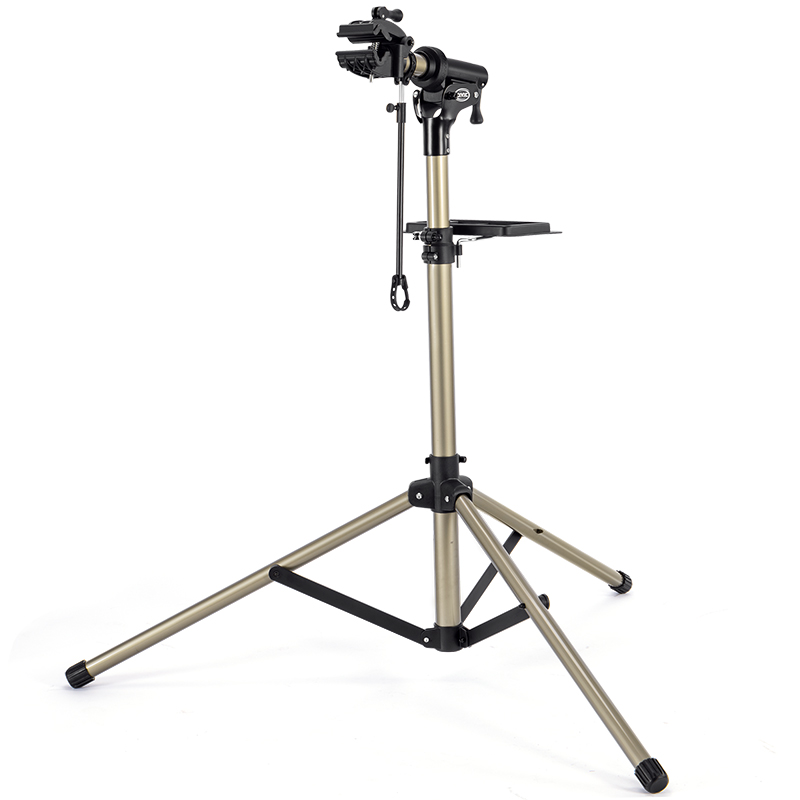
Absolutely. Our central Yiwu warehouse acts as an export consolidation center. You can combine precision electronics, pedals, multi-tools, and workshop stands under a single commercial invoice and export filing, maximizing container cube utilization.
Contact our technical engineering team for confidential OEM pricing, testing samples, and our full parts catalog.