Industrial Supply Catalog
Curated Active Catalog & Performance Components
Certified factory-direct cycling hardware, tactical lighting assemblies, smart telemetry computers, and workshop equipment available for immediate wholesale consolidation.
TÜV
Onsite Assessed Audit
1,450 m²
Consolidation Footprint
100%
Finished Inspection
60+ Countries
Global Export Footprint
Industry Whitepaper Report
Engineering Standards, Photometrics & Supply Ecosystems in China
A technical guide for procurement directors, product managers, and private-label importers evaluating Chinese bicycle rear light manufacturing clusters in Zhejiang, Guangdong, and Jiangsu.
Optical Dispersion & COB LED Array Architectures
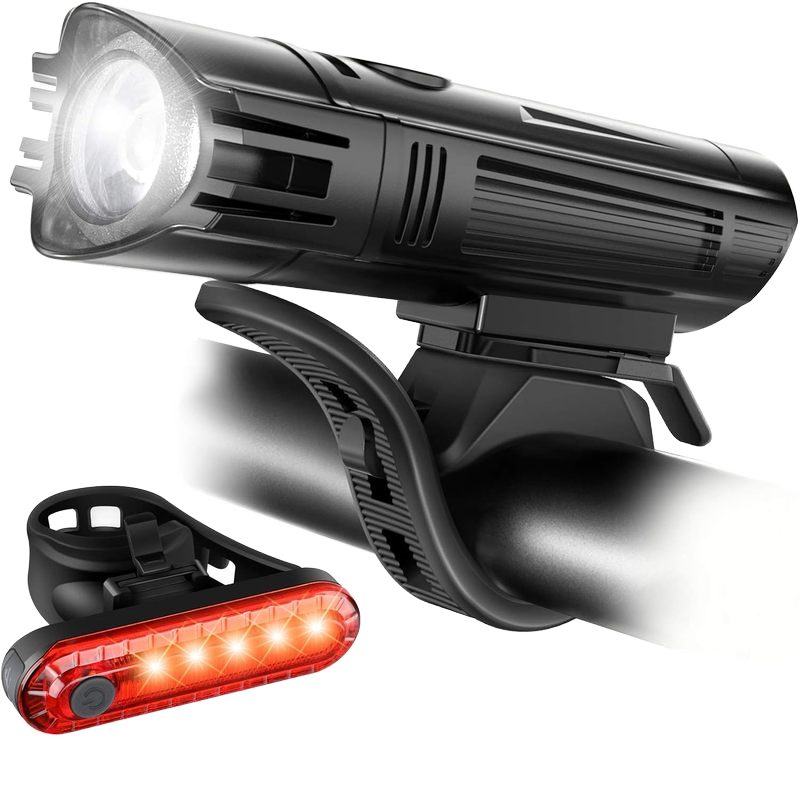
Traditional single-diode bicycle rear lights have yielded to surface-mounted Chip-on-Board (COB) LED strips and engineered Fresnel matrix lenses. Modern rear light safety is no longer measured solely by raw lumen intensity (which can dazzle motorists), but by beam uniformity across a wide solid angle. High-tier Chinese manufacturers now deploy precision polycarbonate optical molds that guarantee 220° to 270° lateral peripheral visibility, compliant with ISO 6742-1 photometric standards. Integrating secondary internal diffusers eliminates hot spots, providing uniform luminescent ribbons that preserve nocturnal road depth perception.
Autonomous Gyro-Sensing Brake Light Algorithms
The standard bicycle taillight has transitioned from passive visibility into dynamic kinetic telemetry. Factory-integrated micro-electro-mechanical systems (3-axis or 6-axis MEMS accelerometers) run on onboard MCUs executing proprietary filtering firmware. These algorithms reliably distinguish between rough road vibration (cobblestones, potholes, gravel drops) and deliberate decelerations. Upon true braking, the unit overrides flashing or ambient low-lumen profiles to trigger a burst of continuous maximum-lux solid red light for 2.5 to 3 seconds, mimicking automotive tail-light safety mechanisms.
StVZO K-Mark & Global Compliance Frameworks
Navigating the global regulatory landscape requires distinct engineering variants. For the German and Northern European markets, StVZO compliance (K-Mark approval) is legally required, banning all flashing, pulsing, and strobe modes while demanding fixed horizontal cut-off angles and exact candela levels between ±4° and ±110° test vectors. Conversely, North American, Australasian, and Latin American importers prioritize dynamic daytime-running flash profiles (Daytime Running Light - DRL) outputting short, high-contrast 100+ lumen strobes capable of penetrating direct sunlight up to 1.5 kilometers away.
Procurement Trends & Next-Gen Tech
Future Technical Directions: 2025–2030 Lifecycle Shifts
Strategic hardware and protocol migrations shaping tier-1 manufacturing runs across China's premium exporter supply chains.
| Technology Vector | Legacy Sourcing Baseline (2018–2022) | Current Production Benchmark (2024–2025) | Emerging Paradigm Shift (2026–2030) |
|---|---|---|---|
| Battery Chemistry & Power Architecture | 18650 cylindrical cells or low-density pouch cells; Micro-USB 5V/0.5A charging. | High-density polymer lithium (Li-Po); Type-C USB with PD negotiation, low-temp charge cutoff. | Direct e-bike drive motor tap (6V-60V wide-voltage input); solid-state cells; kinetic back-pedal dynamo taps. |
| Vehicle Sensing & Telemetry | Manual physical switch; single steady / 2-speed manual flashing presets. | 3-axis accelerometer brake sensors; light-dependent ambient lux day/night sleep-wake triggers. | Integrated 24GHz/77GHz millimeter-wave proximity radar alerting both rider and overtaking motor vehicles. |
| Mounting Hardware & Form Factors | Basic brittle rubber ladder straps; fixed round 27.2/31.6mm seatpost clamps. | Aero-compatible multi-profile silicone straps; dual-track under-saddle bracket rails; quarter-turn bayonets. | Universal magnetic-mechanical snap locks (Fidlock-style); internally routed integrated frame cutaways. |
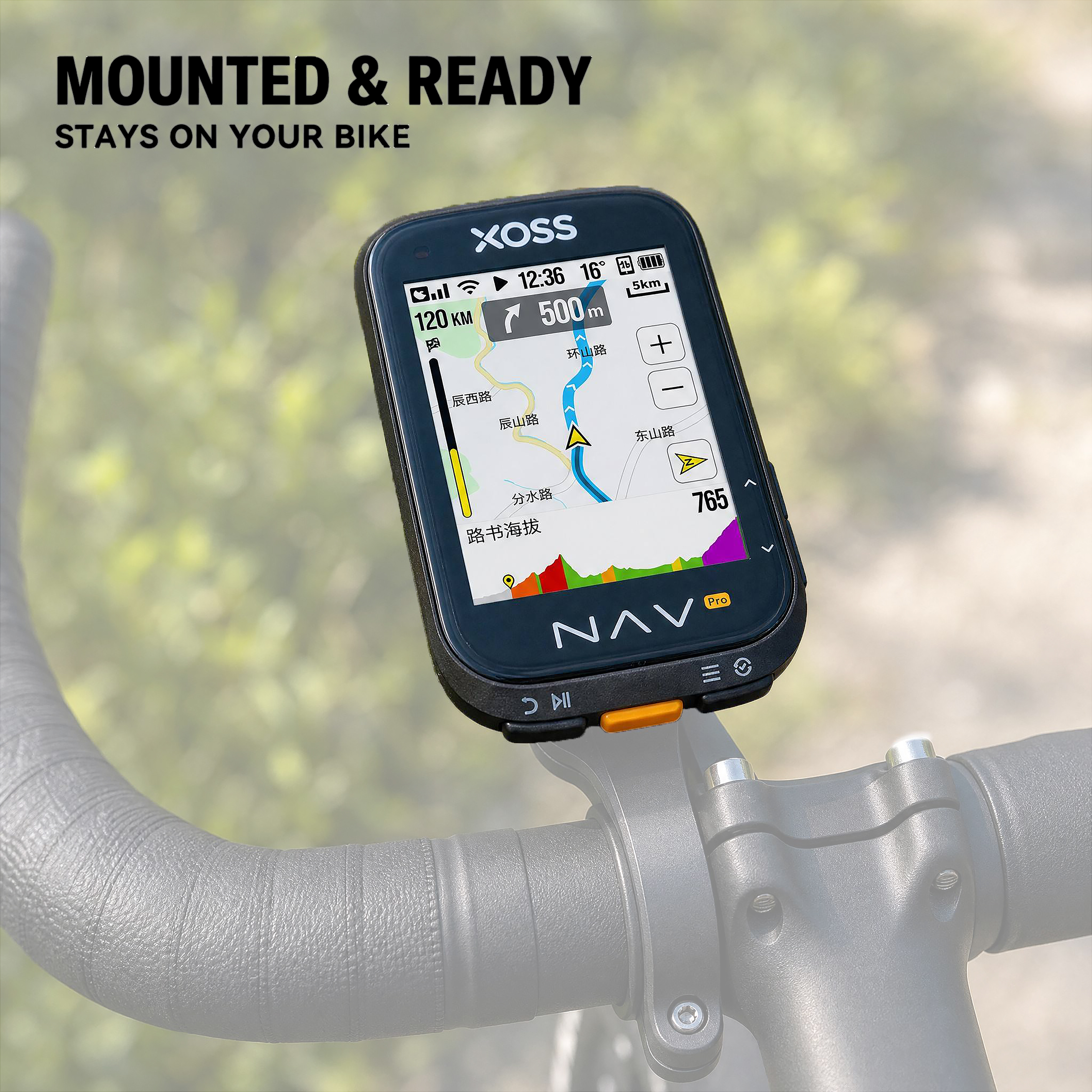
| Wireless Ecosystems & Control | None; isolated standalone electronic device. | Proprietary 2.4GHz RF handlebar remotes for integrated left/right turn signal flashers. | ANT+ / BLE Cycling Light Network (Light Control Profile) sync with Garmin, Wahoo, Hammerhead, and XOSS GPS units. |
| Enclosure Engineering & Sealing | Sonic-welded ABS clamshells; IPX4 splash resistance; standard silicone dust caps. | Two-shot overmolded polycarbonate-TPU; IPX6/IPX7 internal silicone gasket rings; sealed port caps. | Potting resin encapsulation; fully submersible IPX8 waterproof rating; vacuum port testing on production line. |
Verified Manufacturing Capabilities
Why Tier-1 Importers Partner with DOVU Outdoor Products
Combining factory-floor fabrication in Wenzhou and Hebei with an audited 1,450 m² consolidation warehouse in Yiwu for agile mixed-SKU container dispatch.
1. Optical & Mold CAD
Fresnel matrix simulation, optical dispersion modeling, and high-impact structural housing development tailored to your target brand geometry.
2. SMT & MCU Board Setup
Surface-mount PCB assembly with premium automated pick-and-place lines, calibrated resistors, and customized brake-sensing firmware.
3. Laser Marking & Trim
In-house high-speed fiber laser marking machines applying permanent serial numbers, barcodes, regulatory logos, and custom client insignias.
4. Retail Packaging & DDP
FSC-certified eco cardboard boxes, multi-lingual manual typesetting, blister retail displays, and door-to-door consolidated logistics.
Procurement Knowledge Base
Frequently Asked Questions: Rear Bicycle Light Sourcing & Manufacturing
Addressing core technical, regulatory, shipping, and customization criteria critical to commercial cycle supply buyers.
1 What are the essential testing protocols for rear bicycle lights before export?
Professional manufacturing QA requires multiple testing protocols: (1) Integrating Sphere Photometric Calibration to measure total lumens, candela distribution, and peak chromaticity; (2) IP Ingress Testing (IPX5 through IPX7 water jets and chamber immersion) verifying ultrasonic weld and silicone seal integrity; (3) Thermal Stress Cycling & Aging, running LED circuits for 8 to 24 continuous hours to detect premature diode degradation or soldering defects; (4) Vibration Resistance Validation to replicate rough gravel and off-road trail conditions; and (5) Battery Protection Circuit Evaluation checking overcharge, overdischarge, and short-circuit protections.
2 How do StVZO standards differ from US and Australian bicycle light requirements?
German StVZO (K-Mark) regulations mandate a non-dazzling beam with a sharp horizontal cut-off preventing glare for oncoming motorists, prohibiting any flashing, strobe, or breathing modes. In contrast, the United States (CPSC guidelines) and Australia/New Zealand (AS/NZS 10804) encourage high-visibility flashing patterns, specifically during daylight (Daytime Running Lights). Importers must identify target sales jurisdictions so factories can flash appropriate regional firmware into the MCU.
3 What is the Minimum Order Quantity (MOQ) for custom OEM logos and bespoke retail packaging?
For existing catalog hardware with custom laser logo marking, our factory offers low trial MOQs starting from 1 to 50 pieces. For bespoke full-color retail packaging (printed paper boxes, blister displays, custom instruction manuals in European languages), typical MOQs begin at 500 to 1,000 units. Custom tooling for completely proprietary optical lenses or molded housings requires higher commitments (usually 3,000+ units) to offset injection mold fabrication costs.
4 How does smart brake-sensing technology avoid false triggers during bumpy rides?
High-quality manufacturers utilize a combination of a calibrated MEMS 3-axis accelerometer and custom digital low-pass filtering algorithms inside the MCU. The firmware isolates sudden horizontal decelerations from vertical oscillations caused by potholes, vibrations, or pedal sway. In addition, intelligent sleep-wake sensors transition the light into ultra-low-power standby mode after 60 to 90 seconds of stillness, reactivating immediately upon vibration detection.
5 What international battery certifications are required for air and ocean freight?
Because cycling lights integrate rechargeable lithium-ion or lithium-polymer cells, export air and sea shipments must be accompanied by certified compliance documentation: UN38.3 test reports (evaluating altitude, thermal shock, vibration, impact, overcharge, and forced discharge), a current MSDS (Material Safety Data Sheet), and verified Drop Test & Maritime Transport Safety Certifications. DOVU provides certified battery configurations ready for clearance at North American and European ports.
6 Can we consolidate bicycle rear lights with other accessories in a single container?
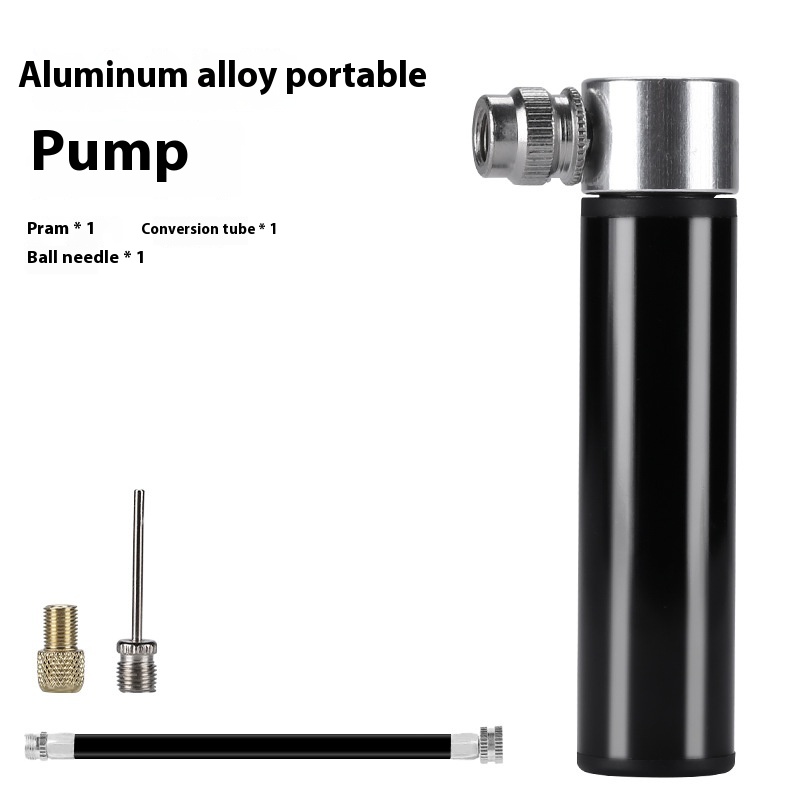
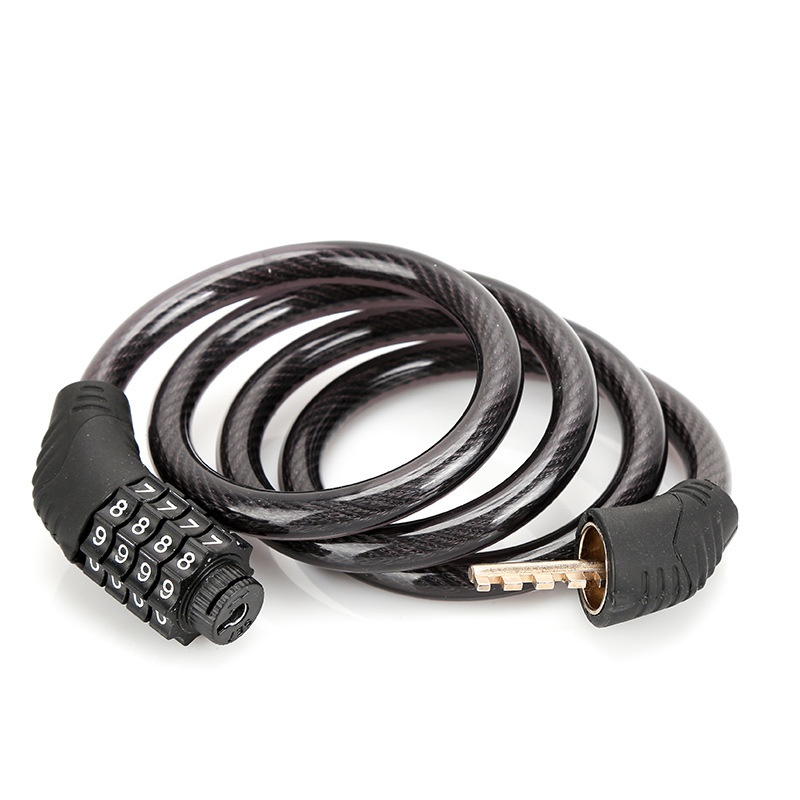
Yes. That is a foundational operational advantage of DOVU's export model. Rather than managing fragmented factories across different cities, clients can consolidate rear bicycle lights, LED headlights, portable multi-function tool kits, chain repair pliers, CNC aluminum pedals, saddle bags, and locks within our 1,450 m² Yiwu consolidation warehouse for a single mixed-SKU LCL or FCL shipment under one bill of lading (B/L).
Accelerate Your Cycling Brand's Sourcing Strategy
Connect directly with our engineering team for technical datasheets, optical lux test curves, laser sample markups, or mixed-SKU factory quotes.
Inquire Now