Precision Cycling Gear & CE-Grade Illumination Hardware
Explore high-volume production units, safety illumination systems, and professional multi-tools consolidated directly from our TÜV Rheinland-assessed manufacturing hub.
CE Certification Framework: Decoding Regulatory Compliance for Bike Front Lights
A rigorous breakdown of Electromagnetic Compatibility (EMC), Low Voltage Directive (LVD), and optical photometric thresholds for professional B2B importers.
In modern micro-mobility supply chains, procuring bicycle headlights demands comprehensive regulatory diligence far exceeding basic lumen ratings. For an electronic safety device imported into the European Economic Area (EEA), the CE marking is not a mere marketing badge—it is a legally binding declaration of conformity under European Union directives. Factory audits verify that non-compliant optical electronics are routinely seized at customs checkpoints or subject to safety recall notices via RAPEX (Safety Gate).
1. Directives Governing Bicycle Front Illumination
To withstand customs scrutinies and market surveillance by agencies such as the German Federal Network Agency (Bundesnetzagentur), our manufacturing protocols strictly align with three primary regulatory pilings:
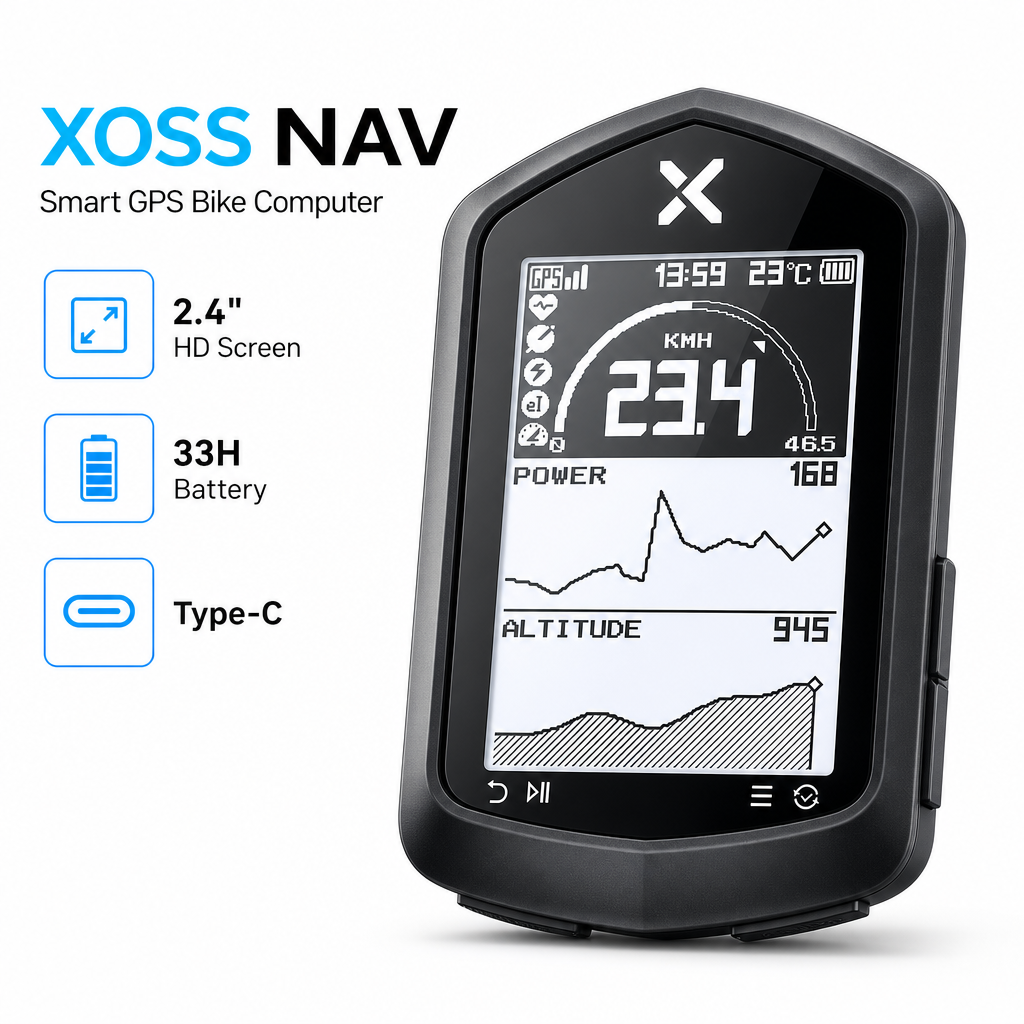
- Electromagnetic Compatibility Directive (EMC 2014/30/EU): High-lumen bicycle headlights employ high-frequency pulse-width modulation (PWM) drivers and buck-boost converters to control LED current. Without precision multi-layer PCB layout shielding and ferrite isolation, these circuits emit high electromagnetic radiation that disrupts GPS computers, digital tire-pressure sensors, wireless shifting groupsets, and pacemakers. Testing compliance under EN 55015 / EN 61547 ensures both radiated emission suppression and surge immunity.
- RoHS Directive (2011/65/EU and amendment 2015/863): Restricts hazardous substances (lead, cadmium, mercury, hexavalent chromium, PBBs, PBDEs, and phthalates) across optical polymers, soldering pastes, silicone gaskets, and internal cable jackets.
- Battery Safety Regulations & LVD (2014/35/EU): Battery-integrated headlights utilizing Lithium-ion or Li-Polymer chemistry must conform to EN 62133-2, verifying cell thermal runaway resistance, overcharge protection IC cutoffs, short-circuit insulation, and mandatory UN38.3 vibration and altitude air transport clearance.
| Compliance Vector | Standard Testing Protocol | Engineering Mitigation Factor | Customs / Market Consequence |
|---|---|---|---|
| EMC Radiated Emissions | EN IEC 55015:2019+A11:2020 | 4-layer PCB architecture with ground plane shielding & low-ESR choke coils | Immediate import seizure; cross-interference with bike GPS speedometers |
| Anti-Glare Photometrics | StVZO TA 23 / ISO 6742-1 | Custom free-form TIR (Total Internal Reflection) facet reflectors with hard cut-off line | Banned from German, Austrian, and Swiss on-road retail shelves |
| Ingress Protection (IPX) | IEC 60529 (IPX5 to IPX7) | Dual-injection co-molded silicone seals & ultrasonic ABS body seam welds | High RMA return rates due to driver board corrosion in wet climates |
| Thermal Dissipation | Steady-State Tj < 85°C at Max Lumens | 6063 aviation-grade CNC aluminum housing serving as active heatsink | Premature lumen depreciation and catastrophic LED phosphor burning |
2. Optical Physics: StVZO Cutoff Lines vs. Rotational Symmetric Flashlight Beams
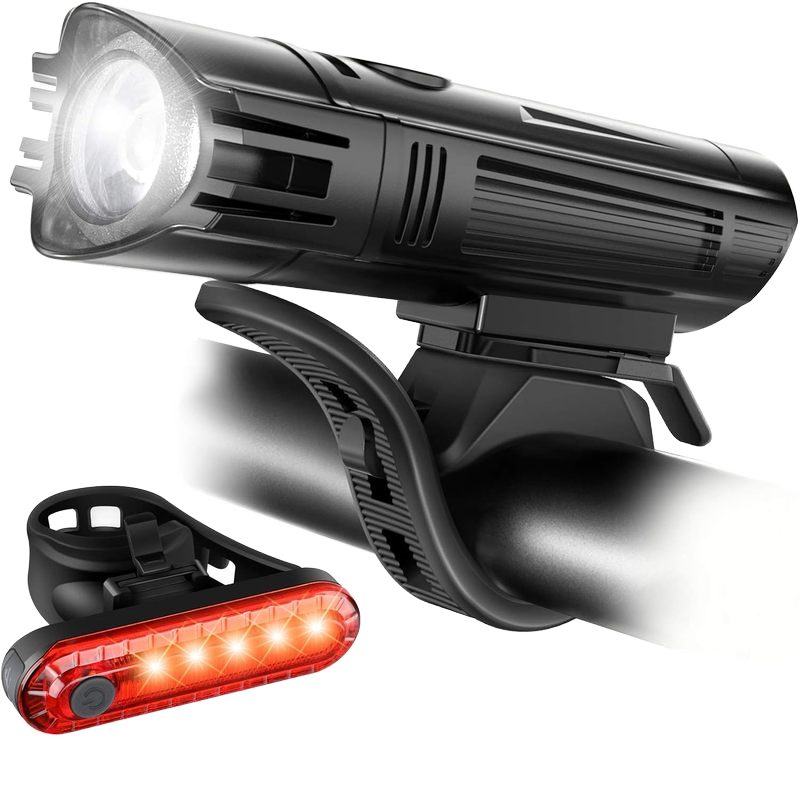
A critical technical distinction observed by top-tier distributors is the disparity between conventional rotational flashlights and road-compliant cycle headlights. Conventional flashlights cast a circular cone of light, throwing excessive flux directly into the eye level of oncoming drivers, pedestrians, and cyclists, leading to blinding glare and severe traffic liabilities.
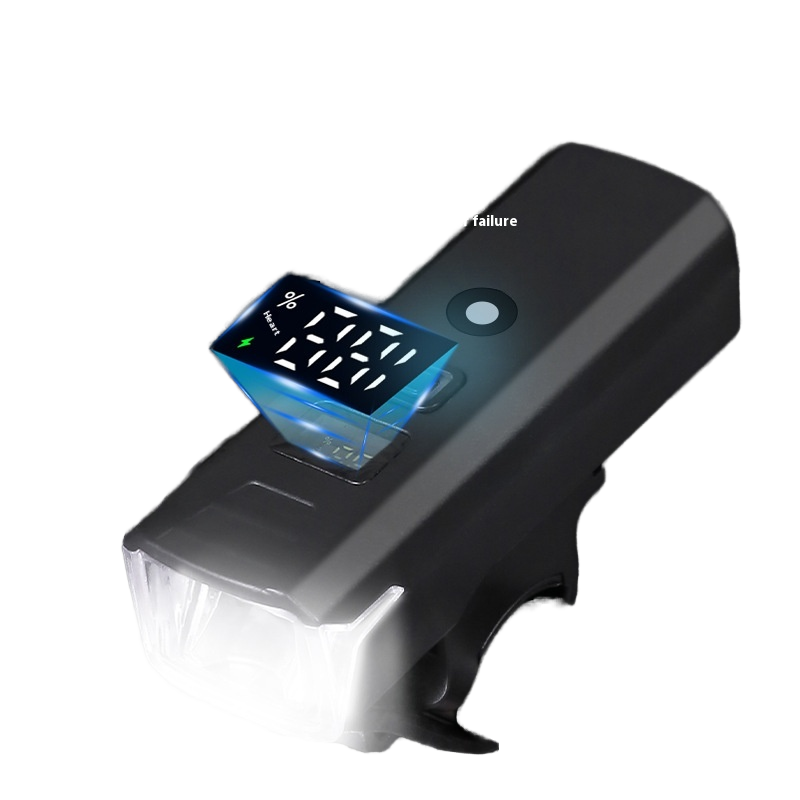
In contrast, our engineered CE-approved headlights utilize horizontal cutoff lenses derived from high-efficiency optical polycarbonate. The beam focuses downward onto the tarmac, offering a uniform trapezoidal field of vision extending up to 60 meters while preserving complete upper darkness above 1.0 meter from road level. This optical architecture provides significant information gain for brands seeking longevity across strict European regulatory terrains.
Emerging Procurement Trends in Bicycle Illumination Systems
Strategic hardware shifts informing annual bulk-purchasing roadmaps for wholesale buyers, chain distributors, and commercial mobility brands.
Direct-Mount E-Bike Integration (6V-60V Wide Input)
With the explosive proliferation of urban pedelecs and cargo e-bikes, procurement managers are pivoting away from isolated rechargeable batteries toward high-voltage buck-converter drivers. Modern front lights tap directly into Bosch, Shimano, or Bafang drive systems, operating dynamically across 6V to 60V DC architectures without overheating internal regulators.
Intelligent Light-Sensing & Auto-Wake Accelerometers
Consumers prioritize automation over manual actuation. Integrated MEMS 3-axis motion sensors combined with ambient silicon phototransistors allow modern headlights to automatically activate upon ambient gloom or sudden motion, powering down after 120 seconds of standstill to preserve onboard lithium reserves.
Universal USB-C Fast-Charging & Reverse Powerbanks
EU single-charger mandates require unified USB Type-C port adoption across personal electronics. B2B buyers now mandate IPX7 hermetically sealed silicone charging ports paired with bi-directional charging protocols, enabling high-capacity 4000mAh headlights to function as external emergency power banks for phone or GPS units.
Engineering Trajectories: The Future of Micro-Mobility Optics
Anticipating component-level evolutions: how LED chip architecture, material polymers, and modular mounting redefine tomorrow's cycle cockpit.
High-Density CSP LED Chips
Transitioning from SMD 3030 packages to Chip Scale Packaging (CSP) eliminates bulky sub-mount wires, concentrating radiant flux into an ultra-compact emission area for razor-sharp optical cutoff precision.
Thermal Phase-Change Conductors
Next-generation thermal dissipation relies on graphite thermal dissipation pads and micro heat-pipe modules within CNC aluminum chassis, enabling sustainable 1000+ lumen outputs without thermal throttling.
Modular Under-Mount Eco-Systems
Modern cockpits utilize unified dual-interface mounts compatible with GoPro tabs, Garmin quarter-turn locks, and integrated aero handlebar stems, reducing handlebar clutter for performance riders.
Sustainable Post-Consumer Recycled Housings
Environmental ESG mandates in Tier-1 territories drive the adoption of PCR (Post-Consumer Recycled) polycarbonate lenses and sustainably anodized, low-carbon alloy chassis without compromising IPX6 waterproof integrity.
Why Tier-1 Importers Consolidate with Our Yiwu Ecosystem
Combining proprietary production, certified supply alliances, rigorous inspection pipelines, and comprehensive multi-SKU container management.
TÜV Rheinland Onsite Verification
Our operations, facilities, and quality management protocols are verified onsite by TÜV Rheinland. We operate across a verified 1,450 m² facility, giving institutional procurement heads full visibility into factory integrity, legal corporate credibility, and traceable production lines.
Integrated Multi-Tier Customization (OEM/ODM)
From sample-based minor branding to complete design-based architectural creation: we provide in-house high-speed fiber laser logo marking on metal housings, custom retail blister packs, multilingual instruction manuals, barcode printing, and Pantone-matched color anodizing.
Mixed-SKU Consolidation Logistics
Headquartered in Yiwu with manufacturing footholds across Wenzhou, Hebei, and Guangdong, we consolidate diverse cycling categories—headlights, repair tools, pedals, saddle bags, and safety hardware—into single container shipments under FOB, CIF, EXW, or DDP incoterms.
Frequently Asked Questions: CE Bicycle Front Light Sourcing
Actionable guidance covering testing reports, minimum order volumes, optical modifications, and international incoterms.
Every batch undergoes rigorous pre-production component evaluation and post-assembly testing. We supply authentic laboratory test reports for EMC (EN IEC 55015) and RoHS screening. Buyers receive complete declarations of conformity and are welcome to conduct third-party audits with SGS, TÜV, or Bureau Veritas prior to balance settlement.
For ready-to-ship standard SKUs in stock, trial samples start from 1 to 10 units. For minor OEM customization—such as high-precision laser marking your brand logo on the aluminum headlight shell—the MOQ typically starts from 200 to 500 units. Fully custom structural tooling and bespoke optical tooling start from 1,000 to 2,000 units.
Yes. Integrated lithium batteries are fully backed by UN38.3 test summaries, MSDS documentation, and official drop-test certification. Headlights are pre-packaged in compliance with IATA Dangerous Goods Regulations for air cargo or IMDG code for oceanic container transit.
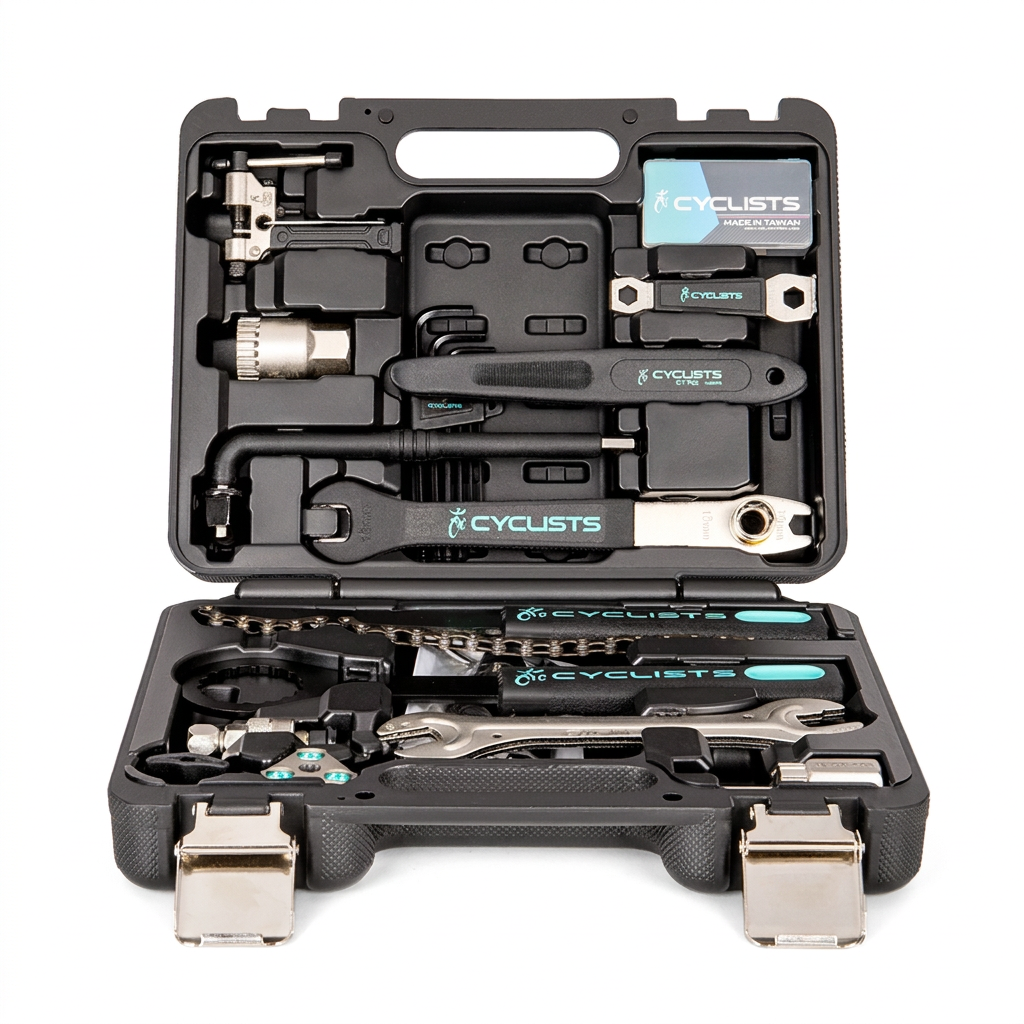
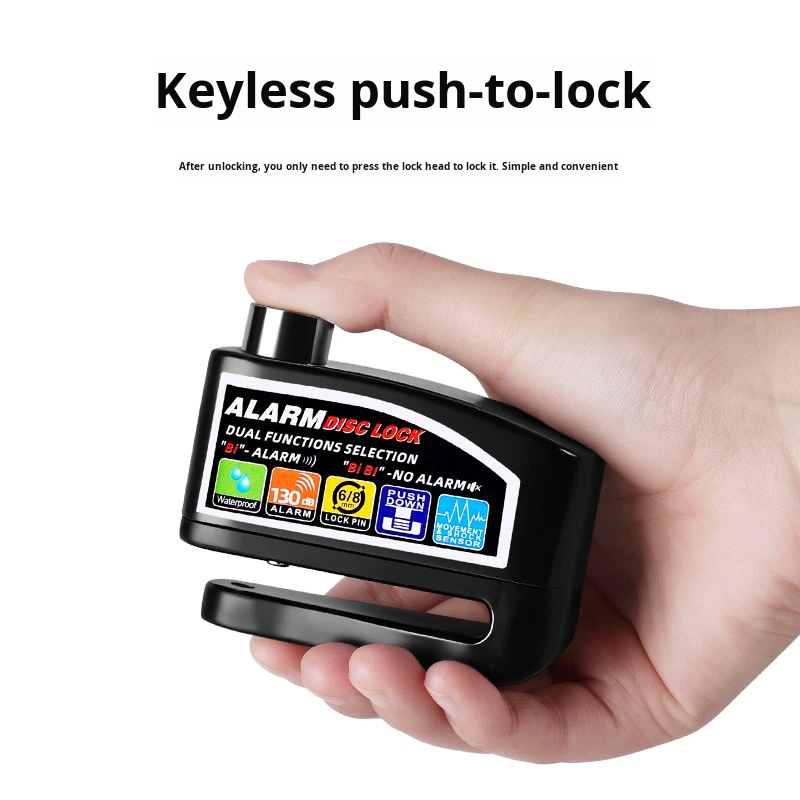
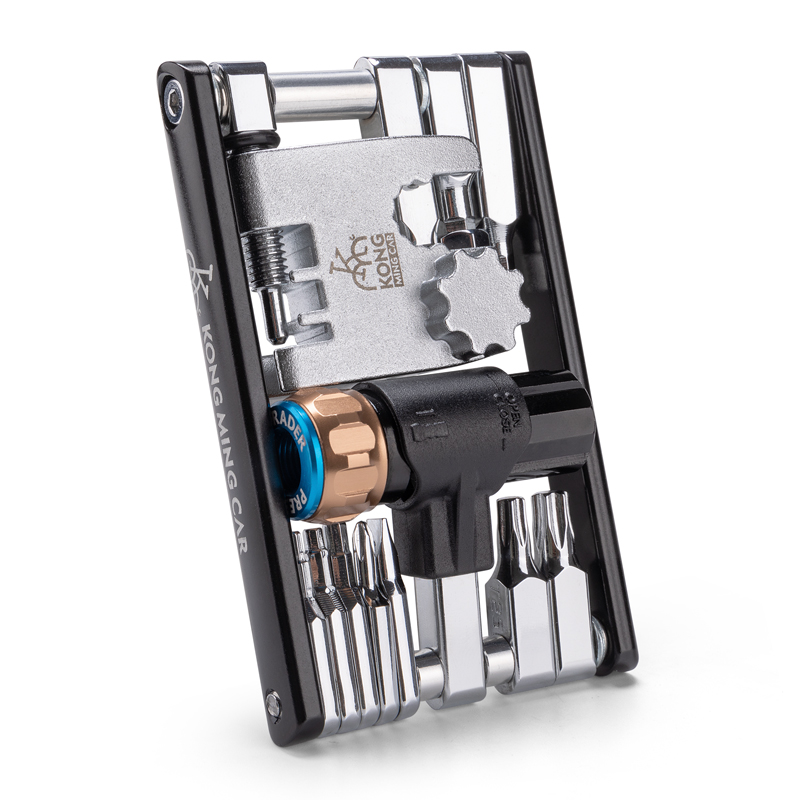
Consolidation is our core competitive advantage. Operating our staging center in Yiwu, we combine headlights, 18-in-1 multi-tools, disc brake locks, pedals, and bags from our multiple manufacturing bases into a single ocean container, drastically reducing your documentation fees, customs clearance overhead, and LCL handling charges.
We support FOB Ningbo/Shanghai, CIF, EXW, and door-to-door DDP arrangements (customs cleared with duties prepaid). Settlement can be executed in USD, EUR, HKD, or CNY via T/T wire transfer, irrevocable L/C, credit card, or Western Union according to mutual purchase agreement terms.
In-stock SKUs ready for laser branding ship within 5 to 7 business days. Standard volume orders (1,000–5,000 units) require approximately 20 to 30 days for housing injection/CNC machining, SMT board assembly, IPX water-dunk testing, and final retail packaging.
Launch Your OEM/ODM Bike Illumination Project Today
Connect with our technical engineering desk to request photometrics files, factory compliance certificates, and instant quotation matrices tailored to your annual volume.