High-Performance Warning Lights & Cycling Components
Engineered for high visibility, durability, and compliance. All hardware undergoes strict optical axis calibration, vibration resilience profiling, and waterproof ingress testing.
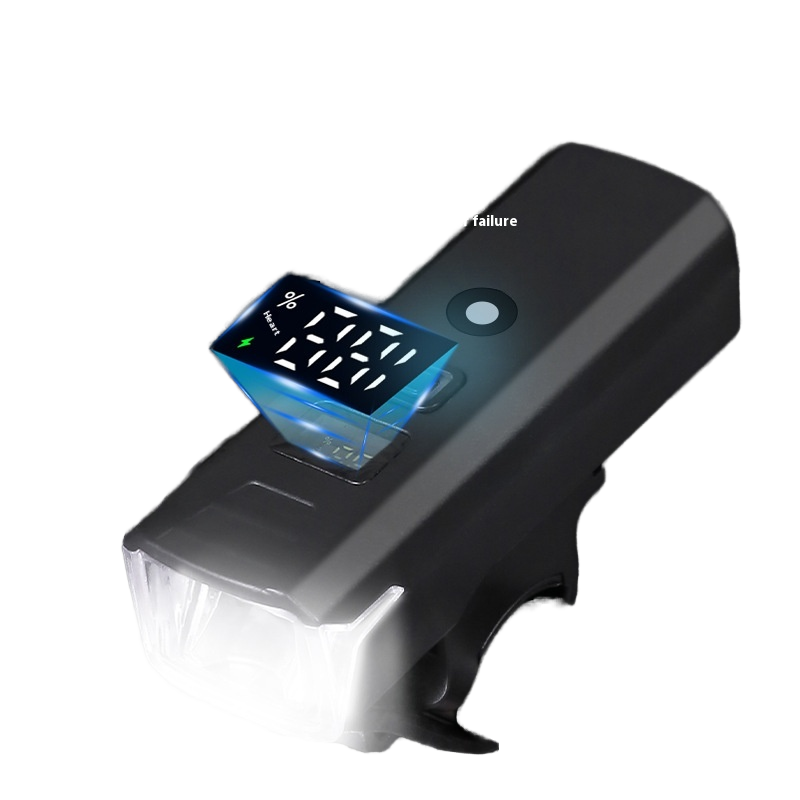
Jiuyue JY-718 Smart LED Bicycle Headlight Tail Light Sensor Charging Mountain Bike Warning Device
- 4 Smart Ambient Sensing Modes
- USB-C Fast-Charging Microcontroller
- IPX6 Ultrasonically Sealed Polycarbonate
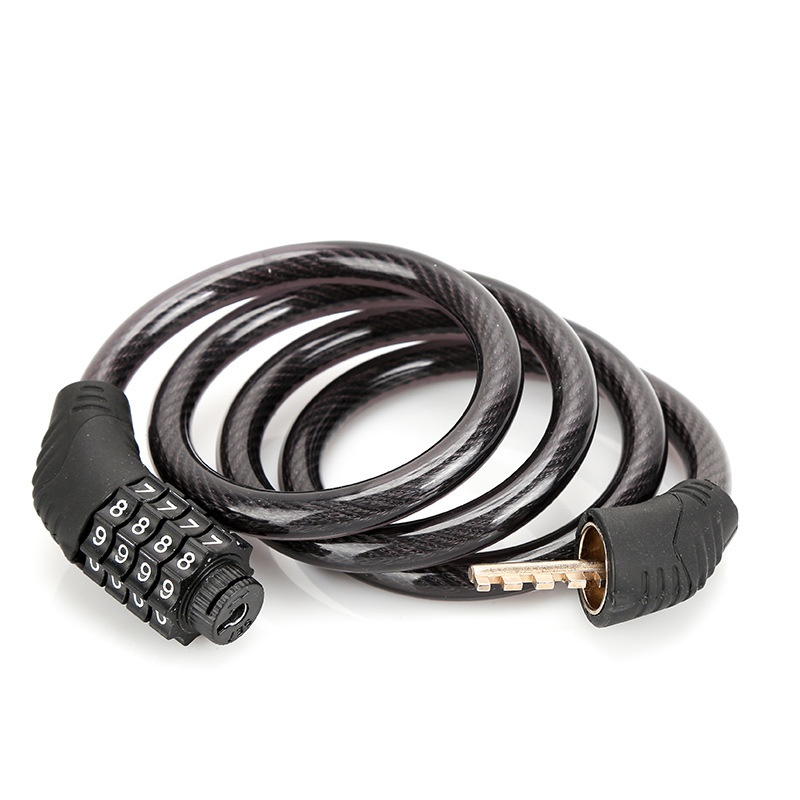
Jiuyue Portable Durable Steel Cable Chain Lock 4-Position Combination 1M
- Braided High-Tensile Steel Core
- Resettable 10,000-Code Cylinder
- Weather-Resistant PVC Sheathing
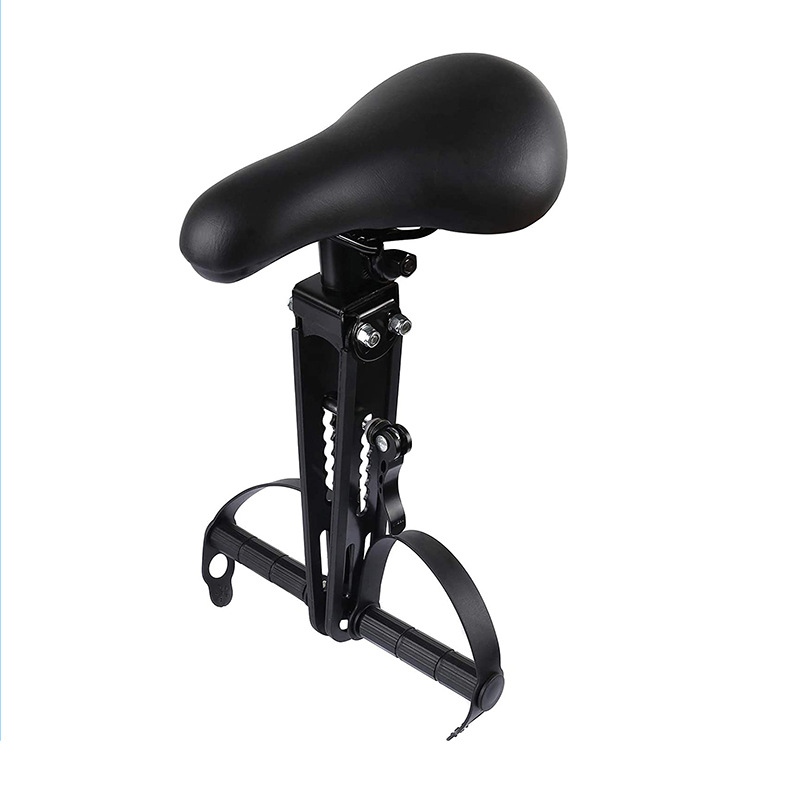
Kids Mountain Bike Saddle & Removable Child Front Seat with Channel Ventilation
- Quick-Release Clamp Architecture
- Anatomical Airflow Relief Trench
- High-Impact Structural Polymer Chassis
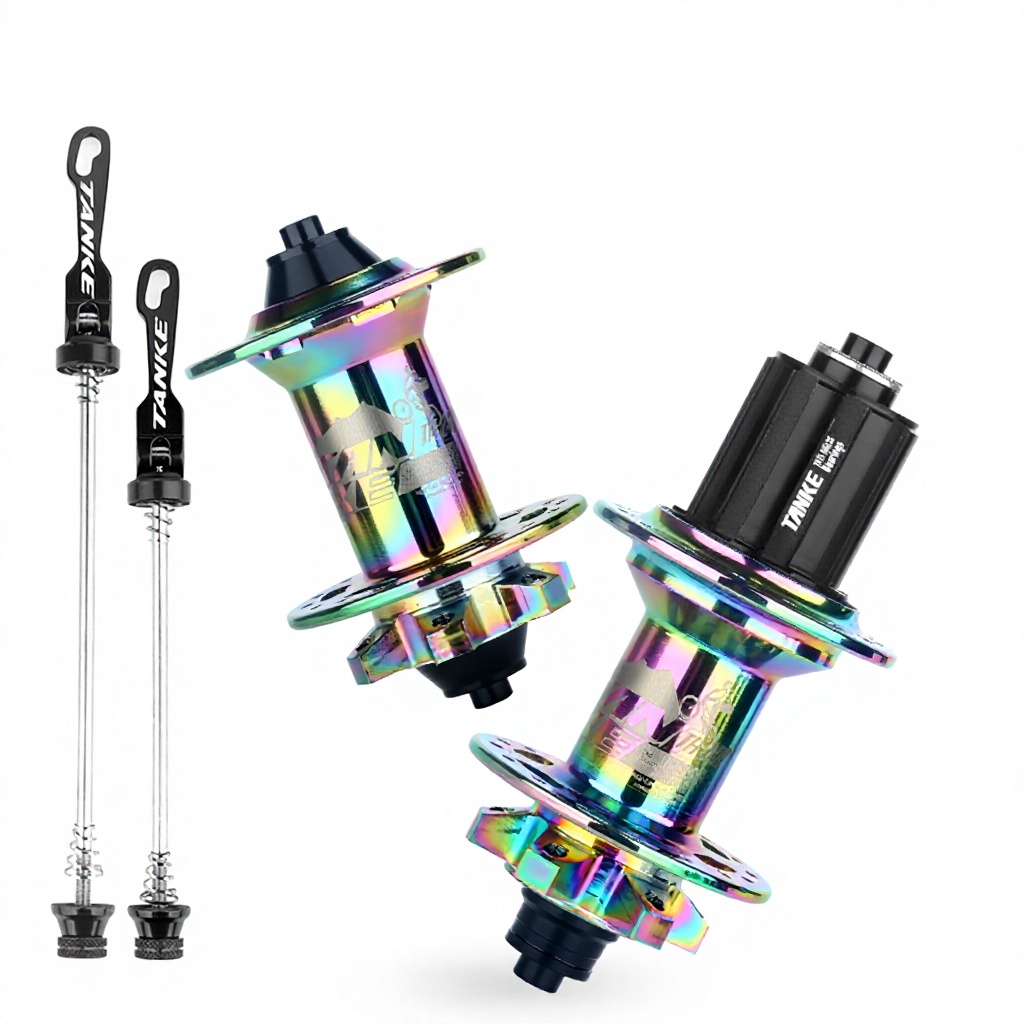
TANKE Rear Bicycle Hub 120-Sound 6-Pawl 6-Bearing Quick-Release Thru Axle Disc
- 120 Clicks Micro-Engagement Pawls
- 6 Sealed Low-Drag Cartridge Bearings
- 7-12 Speed Cassette Compatibility
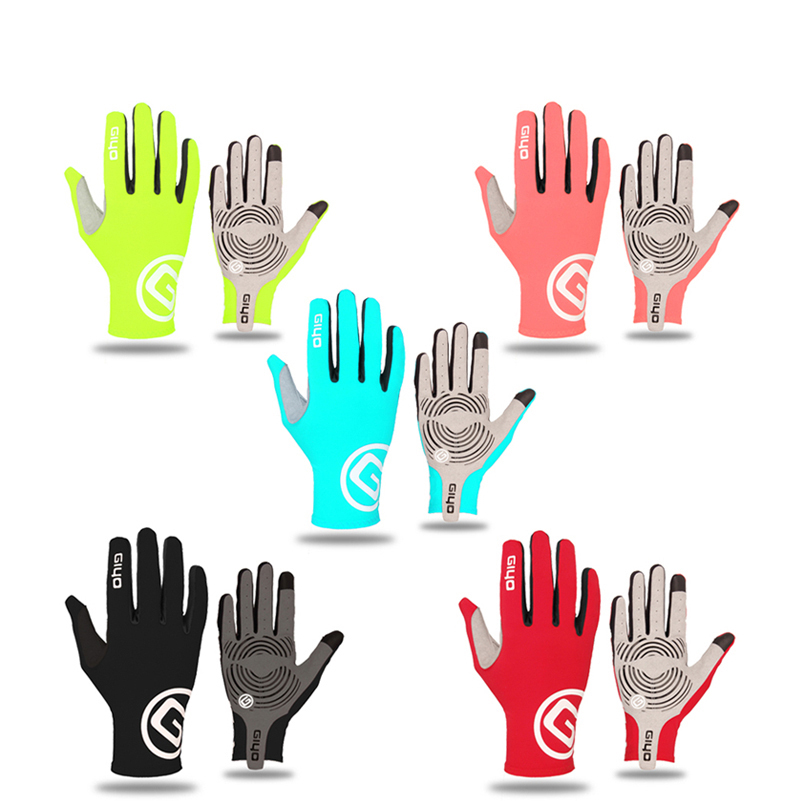
Ready-to-Ship MTB & Road Bike Riding Racing Touch Screen Cycling Gloves
- Conductive Index & Thumb Tips
- Shock-Absorbing SBR Gel Palm Dampeners
- Breathable 4-Way Stretch Lycra Mesh
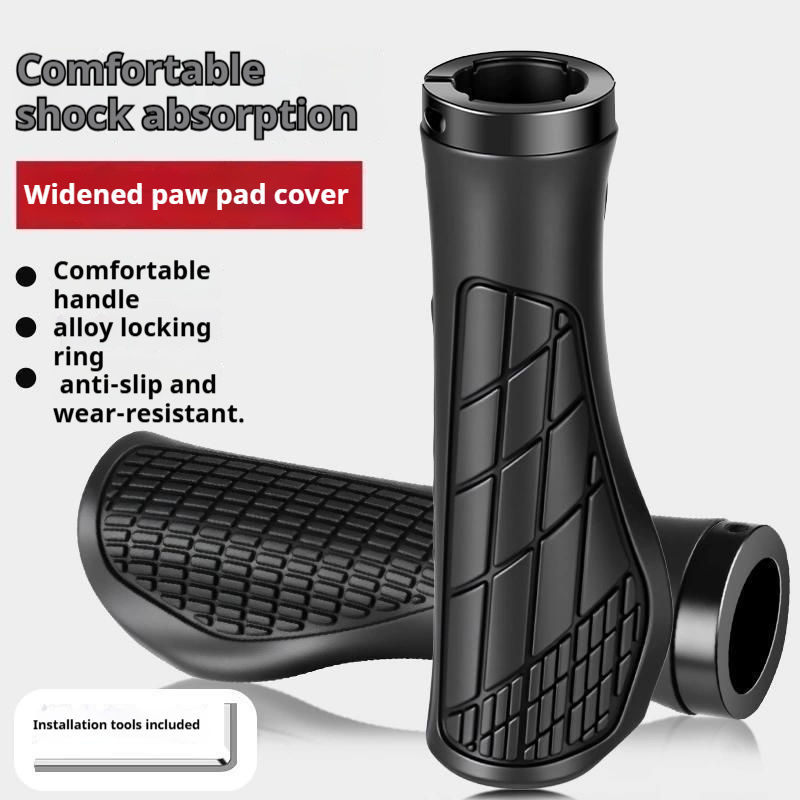
Premium TPE+TPU Silicone Composite EVA Bicycle Anti-Slip Handlebar Tape
- Tri-Layer Anti-Vibration Micro-Texture
- Sweat-Repellent Non-Degrading Surface
- Road / Gravel / Commuter Universal
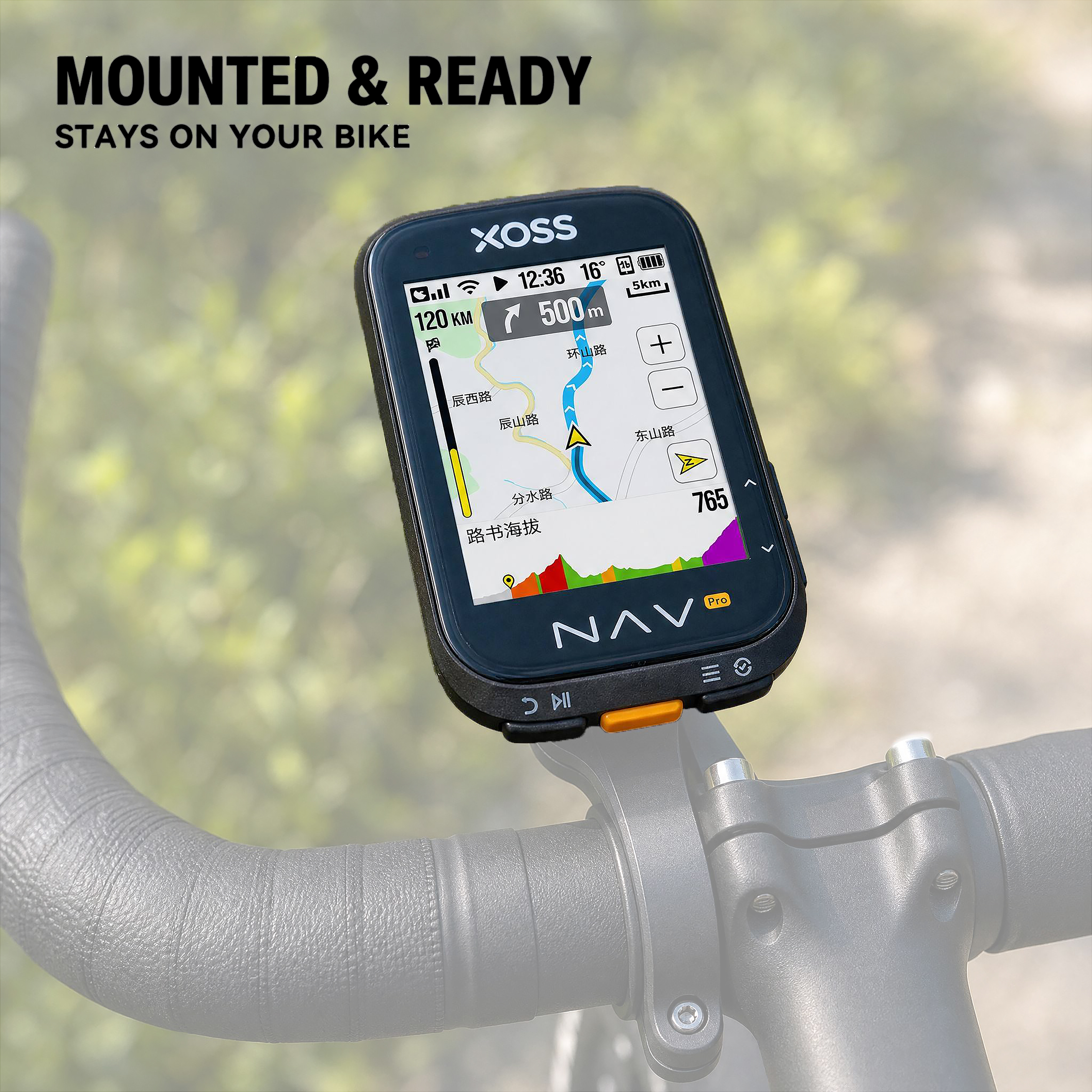
Xoss Nav Pro Beidou & GPS Multi-GNSS 2.4-inch Screen 76g Navigation Computer
- Multi-Constellation Satellite Fix
- 33-Hour Continuous Battery Life
- ANT+ / BLE Sensor Bridge Synchronizer
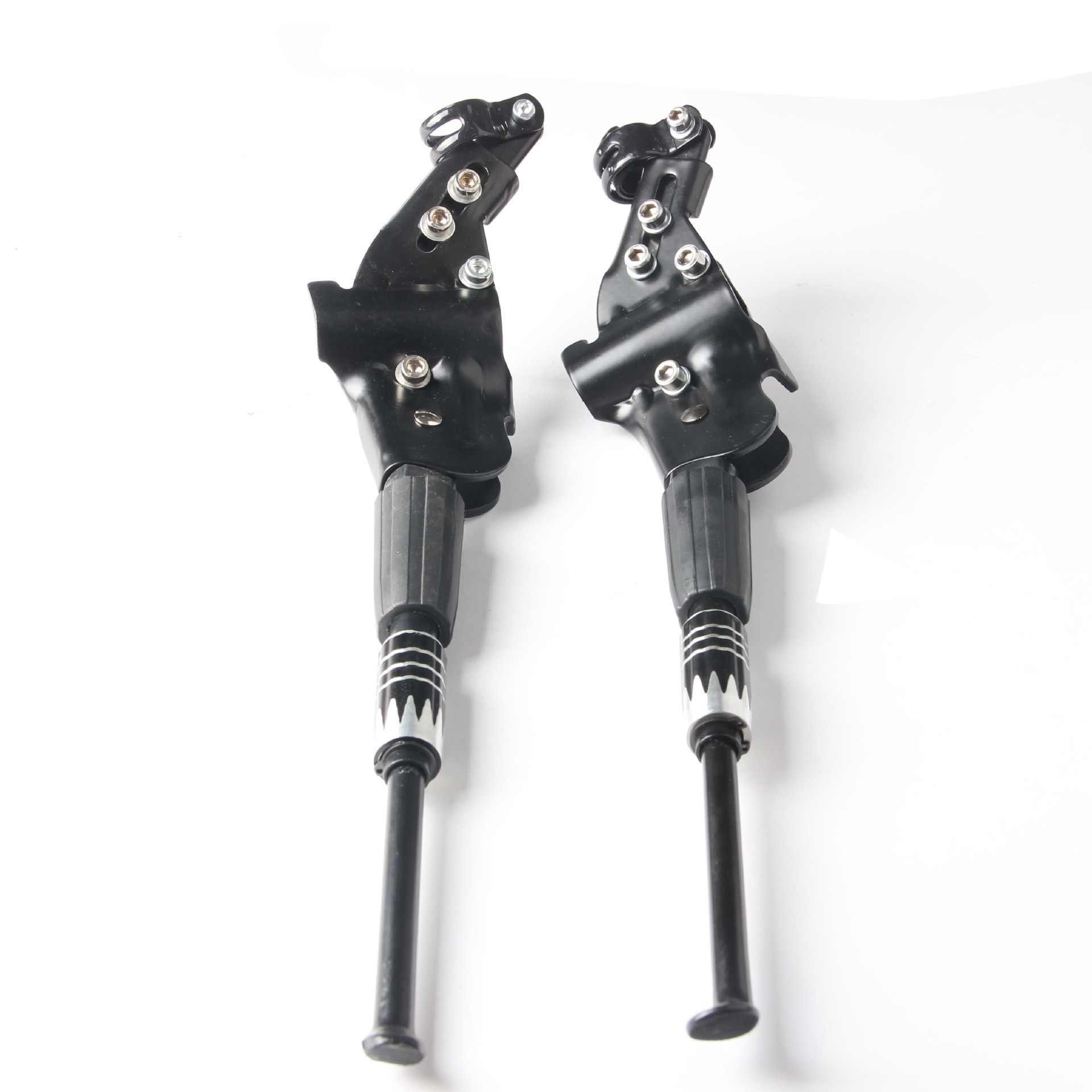
New Arrival Heavy-Duty Adjustable Aluminum Alloy Bicycle Kickstand
- Cold-Forged 6061-T6 Aluminum Alloy
- Toolless Telescoping Detent Adjustment
- 24" to 29" MTB / E-Bike Universal Mounting
CE Conformity, EMC Directives & Optical Photometry Engineering
A technical teardown of what separates certified commercial tail lights from consumer-grade novelties in European and North American retail channels.
The Mechanics of Genuine CE (RED / EMC / RoHS) Certification
Navigating strict regulatory hurdles is mandatory for distributors selling into the European Union. A true CE certification for an active LED tail light or cycling safety warning device requires conformity under both the Electromagnetic Compatibility Directive (EMC 2014/30/EU) and the Radio Equipment Directive (RED 2014/53/EU) for radar- or Bluetooth-enabled units.
Low-cost uncertified warning lights flood the market with unshielded switch-mode power converters, generating significant RF noise that can disrupt GPS cycle computers, heart rate monitors, and electric bike motor controllers. Our factory uses multi-layer shielded PCB assemblies and ferrite bead filtering to keep emissions well within EN 55032 Class B limits.
Additionally, our secondary optical lenses use custom Total Internal Reflection (TIR) acrylic optics. Rather than dispersing lumens in a blinding, unregulated cone, our optical arrays create a 220-degree horizontal visibility pattern with an engineered vertical cut-off line. This complies with strict European glare-reduction guidelines while keeping riders visible at distances beyond 800 meters.
| Compliance Vector | Standard Testing Protocol | Factory Implementation |
|---|---|---|
| Luminous Intensity | ECE R50 / ISO 6742-1 Photometry | Precision goniometer testing: 15 to 80 cd on-axis, wide-angle dispersion |
| Deceleration Braking | ISO 14878 Smart Deceleration | 3-axis triaxial accelerometer with digital filtering to prevent road-vibration false alerts |
| Ingress Barrier | IEC 60529 Moisture / Dust Resistance | Liquid silicone rubber (LSR) overmolding + automated vacuum decay leak testing |
| Battery Integrity | IEC 62133 / UN 38.3 Drop & Crush | NTC thermal cut-off thermistors with dual MOS cell protection circuits |
| Vibration & Drop | EN 60068-2-6 / 1.5M Freefall | Reinforced polycarbonate chassis with anti-fatigue silicone seatpost brackets |
Emerging Procurement & Technological Trends (2025–2028)
How shifting OEM/ODM specifications, e-mobility expansion, and intelligent vehicle-to-cyclist telemetry are reshaping B2B cycling safety orders.
1. 6V–60V Wide-Voltage E-Bike Integration
With electric bike penetration accelerating across urban commuter and trekking segments, standalone disposable battery lights are being replaced by direct motor-bus powered units. Global procurement teams are demanding 6V–60V wide-voltage DC step-down step-up circuits. These wire directly into Bosch, Shimano, and Bafang drive systems, turning on automatically with the bike's cockpit display.
2. Integrated mmWave Radar & Audio Telemetry
The premium cycling segment is rapidly adopting micro-radar detection arrays. B2B buyers are moving past static blinking lamps in favor of millimeter-wave radar units operating at 24GHz and 77GHz. These detect approaching vehicles up to 140 meters away, dynamically accelerating tail light pulse rates while beaming live telemetry to ANT+ / BLE cycling computers and smartwatches.
3. Post-Consumer Recycled (PCR) Optical Enclosures
Driven by the EU Corporate Sustainability Due Diligence Directive (CSDDD) and tightened carbon border adjustments, Tier-1 brands are writing ESG clauses into purchasing agreements. Suppliers must now offer housings made from 30% to 70% post-consumer recycled polycarbonate and ocean plastics, packaged in 100% unbleached pulp cartons that eliminate single-use PVC blister wraps.
4. USB-C Power Delivery & Cold-Weather Chemistries
Mandatory EU USB-C harmonization directives have phased out Micro-USB across all rechargeable cycling categories. At the same time, fleet rental operators and cold-weather commuters are pushing for solid-state electrolyte and specialized Lithium-Titanate (LTO) cell chemistry options. These sustain 85%+ useful battery capacity in sub-zero winter temperatures down to -20°C.
5. Smart Kinetic Deceleration Algorithms
Simple pendulum switches and uncalibrated motion sensors often flash falsely whenever a bike encounters road washboards, train tracks, or cobblestones. Modern B2B procurement specifications now call for digital signal processors (DSPs) with adaptive filtering. These measure true velocity drop across all three axes, providing reliable automotive-grade brake light illumination.
6. Mixed-SKU Direct Consolidation Supply Chains
High warehouse holding costs and unpredictable seasonal consumer demand have made monolithic single-product container orders unappealing for mid-sized distributors. The winning procurement model leverages cross-dock consolidation: loading mixed-SKU containers that combine high-turnover LED warning lights with workshop tools, kickstands, and saddles from a single audited partner.
Why Importers & Brands Partner with Yiwu DOVU
Combining direct manufacturing facilities with professional export trading, in-house fiber-laser customization, and third-party verified quality management systems.
TÜV Rheinland Assessed
Our 1,450 m² primary operations and export hub are assessed onsite by TÜV Rheinland. This includes full verification of our staff credentials, production lines, and quality control systems.
In-House Fiber Laser Marking
We apply clean, permanent laser branding to our bike tools, lights, and CNC alloy components in-house. Your logos won't peel or fade over time like cheap pad-printed decals.
Mixed-SKU Consolidation
Streamline your supply chain by loading tools, smart lights, bags, and pedals into a single consolidated container from our central Yiwu warehouse, saving you significant freight costs.
Flexible Global Trade Terms
We work with international importers on your terms: FOB, CIF, EXW, and door-to-door DDP. We accept payments via T/T, Credit Card, and LC in USD, EUR, HKD, and CNY.
Frequently Asked Questions on Tail Light Sourcing
Everything you need to know about order minimums, OEM customization workflows, safety compliance documentation, and shipment timelines.
For off-the-shelf standard lights and tools stocked in our Yiwu warehouse, our sample and trial order MOQs start from just 1 to 10 units. For minor OEM orders—such as adding a custom laser-etched logo or custom retail box—our MOQs typically begin at 200 to 500 units. For full ODM projects requiring custom injection molds, custom lens optics, or bespoke PCB configurations, production runs generally start at 1,000 to 3,000 units.
Yes. Our tail lights and warning electronics comply with relevant CE directives, including EN 55032 and EN 55035 for electromagnetic compatibility (EMC), as well as RoHS hazardous substance restrictions. Every lithium polymer battery cell includes an authentic UN 38.3 test summary report, SDS documentation, and meets IEC 62133 safety standards, ensuring smooth customs clearance for air and sea freight.
We use high-precision ultrasonic plastic welding for the outer lens and body, paired with liquid silicone rubber (LSR) gasket seals around all charging ports. During quality control, sample batches undergo automated vacuum decay testing and pressurized spray tests to verify their IPX6 or IPX7 rating before entering final packaging.
Yes. One of our main competitive advantages is our central consolidation warehouse in Yiwu. We regularly combine electronics, alloy kickstands, repair tools, pedals, and bags into a single bill of lading (FOB Ningbo/Shanghai or CIF/DDP). This lets you optimize container space, simplify customs paperwork, and avoid having to manage multiple separate factories.
Ready-to-ship stock items are dispatched within 3 to 7 working days. Custom logo branding runs typically require 15 to 25 calendar days, while complete OEM mass production orders—including customized tooling, custom packaging, and strict pre-shipment QC—are delivered within 30 to 45 days, backed by a clear production schedule.
Scale Your Brand with a Verified Sourcing Partner
Get in touch with our engineering team for instant OEM quotes, complete photometric test data, compliance documentation, and wholesale container pricing tiers.